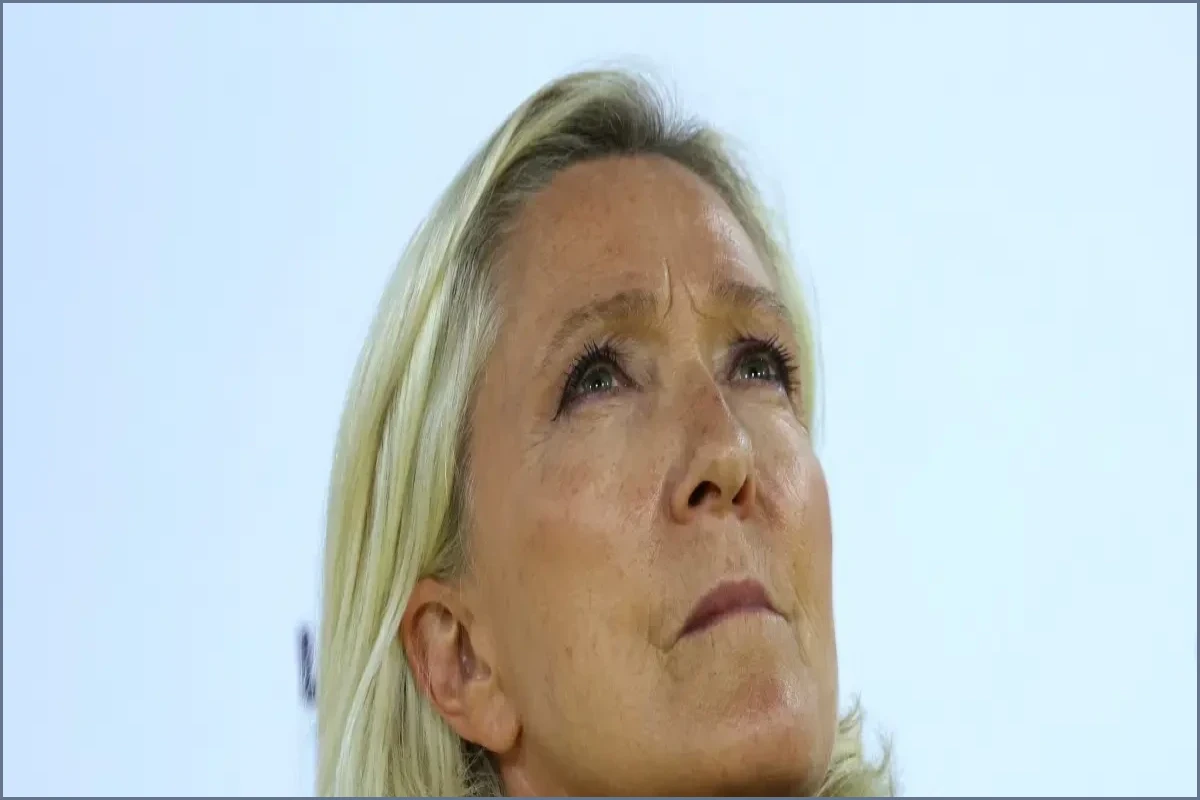
As the 2027 French presidential election campaign begins in earnest, far-right leader Marine Le Pen holds a commanding lead in the polls. However, political analysts suggest that her own strategic choices, internal party divisions, and policy controversies could ultimately threaten her path to the presidency.
With the first round of the election scheduled for April 18, Le Pen has established a significant lead. An Elabe poll released on Sunday showed her with a lead of at least 14 percentage points over her closest competitor, capturing between 33 and 35 percent of the first-round vote. Her nearest rival averages just 19 percent, a gap unprecedented in any presidential election of the Fifth Republic. If these figures hold into the new year, her position will begin to look increasingly secure, particularly given that in all four French presidential elections this century, the winner of the first round has gone on to win the second-round run-off, scheduled for May 2.
Currently, no strong challenger has emerged to consolidate the opposition. Hard-left candidate Jean-Luc Mélenchon experienced a minor summer surge, rising to 16 or 18 percent in some polls, but fell back to 14 percent in Sunday's Elabe poll. Analysts note that Mélenchon remains Le Pen's most favorable second-round opponent, as polls project she would defeat him in a run-off with more than 65 percent of the vote. In the political center, former Prime Minister Edouard Philippe has remained stable at 17 to 19 percent for two months. Although polls suggest Philippe is the only candidate who could closely match Le Pen in the second round, he has yet to build significant momentum. Meanwhile, the moderate left is set to hold a five-candidate primary in October, which Euro MP Raphael Glucksmann is favored to win before facing former President François Hollande in the public opinion polls. Regardless of the candidate, current polling shows Le Pen defeating any moderate-left opponent in the second round by at least 14 points.
This political landscape is unfolding against a backdrop of severe economic difficulties for France. The country is bordering on a recession following the economic impacts of the Gulf War and a scorching summer. Unemployment is rising once again, and the cost of servicing France's record three-trillion-euro national debt has reached an 18-year high. Political instability also looms, as Prime Minister Sébastien Lecornu attempts to pass a minimalist 2027 budget through a highly fractured National Assembly, raising the prospect that his administration could become the fourth French government to fall in just two years.
Despite these favorable conditions for an opposition candidate, critics argue that Le Pen is retreating into her ideological comfort zone rather than demonstrating a readiness to govern. This approach has exposed a growing rift within her party, the Rassemblement National (RN). Her deputy and stand-by presidential candidate, Jordan Bardella, had previously attempted to steer the party slightly toward the political center, floating the idea of genuine pension reform and proposing an economic alliance with Germany to revitalize the European Union. However, Le Pen has recently doubled down on core dogmas that could alienate moderate voters.
A primary point of contention is economic policy. Le Pen recently parted ways with her economic adviser, François Durvye, who had advocated for a more fiscally coherent platform addressing national debt, taxation, pension reform, and social spending. During the first televised debate of the campaign last Thursday, organized by the French employers' organization Medef, Le Pen returned to her high-spending, low-tax proposals from her 2022 campaign. While she pledged to adhere to a "golden rule" of no borrowing for current expenditure, she also revived her costly proposal to lower the retirement age to 62, and 60 for some, while offering a vague promise of 250 billion euros in spending cuts. Her performance was widely criticized by commentators, with one awarding her a score of just 7 out of 20. While Durvye and Bardella have argued that the RN must convince middle-class voters of its economic competence to win, Le Pen has resisted abandoning the populist, high-spending policies that appeal directly to her working-class base, preferring instead to attack the economic record of President Emmanuel Macron's administration.
The party has also revived its controversial stance on the Islamic headscarf. Last weekend, Somme deputy and Le Pen loyalist Jean-Philippe Tanguy stated that a Le Pen presidency would ban the wearing of the hijab in public. Because such a ban is constitutionally impossible unless all religious symbols are also prohibited, Le Pen backtracked on Monday, proposing instead to put the issue to a referendum regarding the place of Islam in France. Critics question the strategic value of raising an issue that revives memories of the party's controversial past and primarily appeals to voters who are already committed to her candidacy.
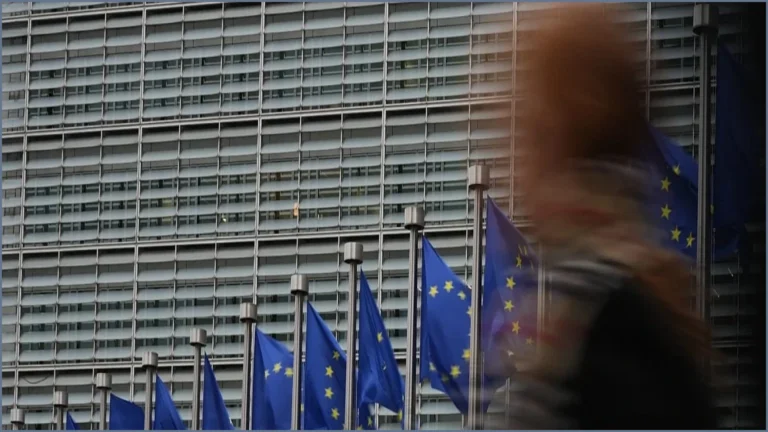
Furthermore, Le Pen reacted to Iceland's recent decision not to join the European Union by calling for a return to a "Europe of free sovereign nations," signaling an ultimate desire to dismantle the supranational EU. This stance contradicts her 2021 decision to formally drop her demand for "Frexit" in favor of reforming the union from within, leading analysts to suggest she may still favor undermining the EU from the inside.
While none of these individual controversies may immediately derail her campaign, political observers suggest they collectively depict a candidate who remains in opposition mode, reluctant to make the difficult compromises necessary to appeal to the broader electorate required to secure the presidency next May.
Shadow campaigning in the most dangerous of French elections has been under way for months. The real business starts now.
Everything seems to be falling Le Pen’s way, starting with her miraculous reprieve from a five-year electoral ban in July.