A missile blast during a wedding celebration in the southern Iranian city of Kuhestak has resulted in at least five deaths and 68 injuries, prompting Iran to accuse the United States of committing a “war crime.” The incident occurred late Tuesday at a private residence in Hormozgan province, significantly heightening fears of a renewed cycle of hostilities between the two nations.
Among those confirmed dead were 16-year-old Mohammad Mollahi and four-year-old Amir-Ali Karimi. Ali Mollahi, the father of the bride, expressed his profound distress over the tragedy in comments to Mehr News, stating, “It’s a terrible thing. I’m extremely worried and upset about what happened.” Ahmad Nafisi, a deputy of the provincial government, confirmed that emergency responders were dispatched to the site to transport the wounded to local hospitals.
The Iranian government has reacted with intense condemnation. A spokesperson for Iran’s foreign ministry labeled the strike a “war crime” and warned of a firm response. Meanwhile, chief negotiator Mohammad Baqer Ghalibaf invoked harsh rhetoric, describing the US as the “Great Satan” and criticizing the targeting of civilian homes occupied by families. In a post on X, Ghalibaf stated, “If a power acts like Satan, picks targets like Satan and kills like Satan, it’s Satan. Shields a junior Satan that does the same? It’s THE Great Satan.”
The strike follows a month of relative quiet between the US and Iran. US Central Command (Centcom) stated that its overnight operations were directed at Iranian military infrastructure, specifically radar systems, air defense sites, and maritime assets. In retaliation, Iran launched a series of drones and missiles targeting US bases across Bahrain, Kuwait, and the UAE. Lt Col Ebrahim Zolfaghari, an Iranian military spokesperson, pledged that future retaliatory actions would be “heavier, broader, and more crushing and devastating.”
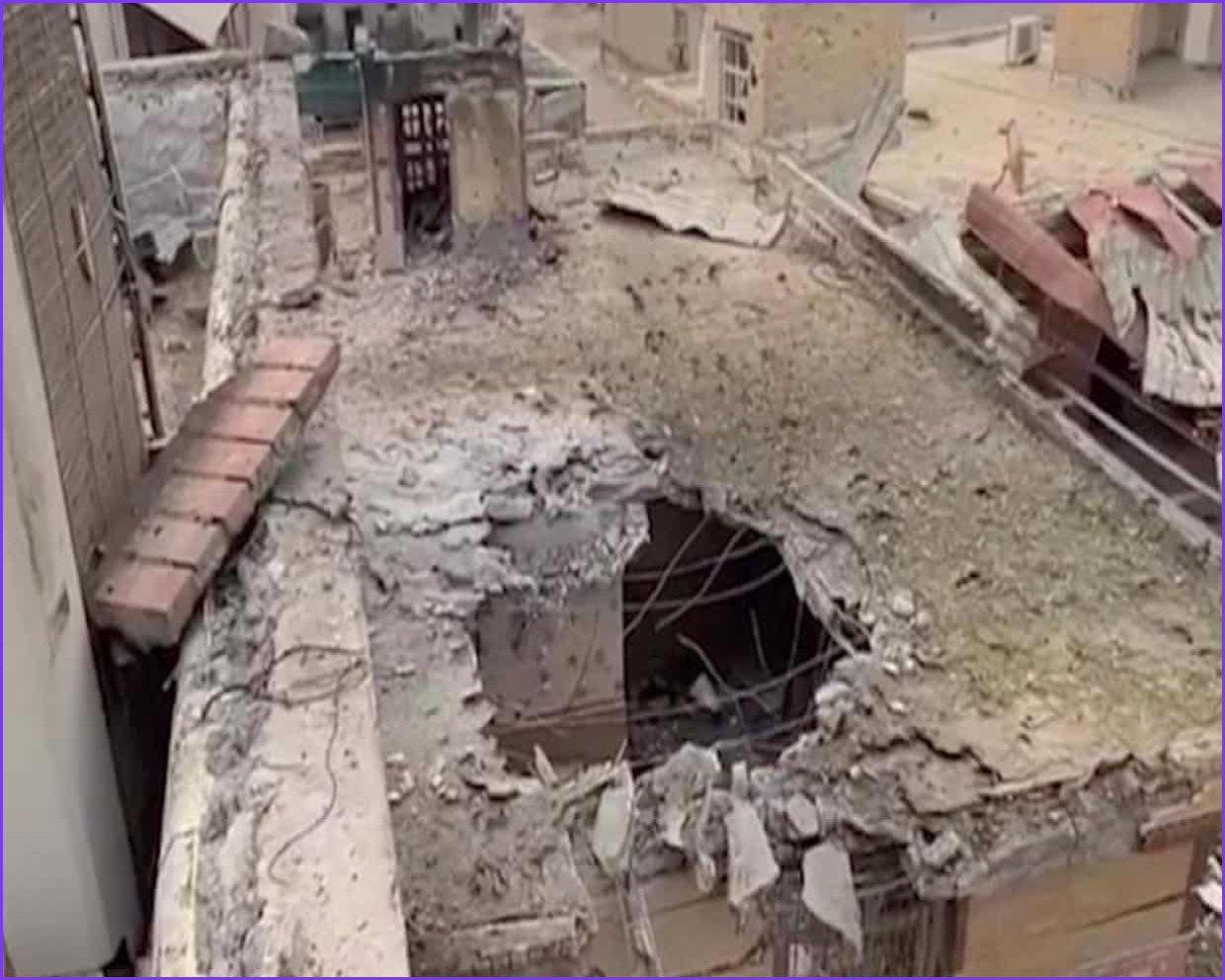
Witness accounts and visual evidence from the scene depict significant destruction, including collapsed roofing, shattered windows, and walls embedded with shrapnel. One child injured in the blast described the moment of impact to the Fars news agency, noting that bricks and cement collapsed onto attendees during the explosion. Centcom spokesperson Tim Hawkins acknowledged reports of civilian casualties but maintained that the US military does not target civilians, unlike the Iranian Revolutionary Guards Corps.
Independent weapons analyst Trevor Ball, reviewing images of remnants found at the site, identified components consistent with the Boeing-manufactured Standoff Land Attack Missile-Expanded Response (Slam-Er). While the exact nature of the strike remains under investigation—specifically whether the home was a direct target or hit by debris—CCTV footage shows at least six strikes in the area within a minute, including a hit on a communications tower roughly 150 metres away. The US campaign along the coast is intended to degrade Iran’s ability to blockade the Strait of Hormuz, a critical transit route for global oil supplies that has been largely closed since the start of the war.
In February, a strike on an elementary school killed at least 156 people, including more than 120 schoolchildren. Independent investigations concluded that the US likely carried out the strike with the assistance of AI, though the US government said the incident remained under investigation.
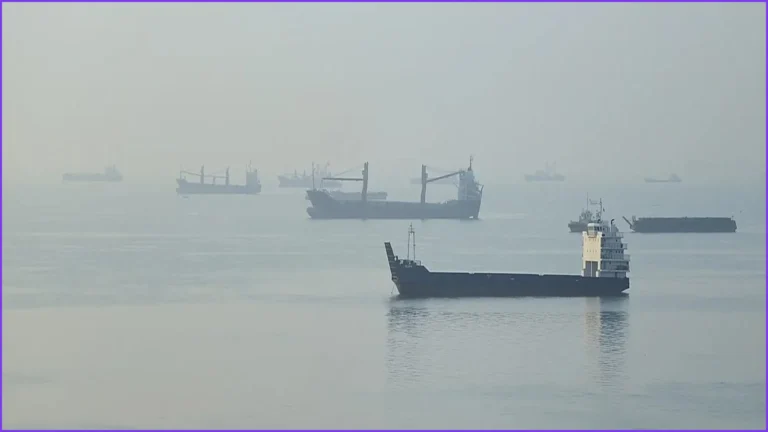
The US has been targeting communications and radar infrastructure along Iran’s coast to try to stop its blockade on the strait of Hormuz, a chokepoint which prior to the US-Iran war was a transit point for at least 20% of the world’s oil supply. Iran has virtually closed the strait since the start of the Iran war, frus