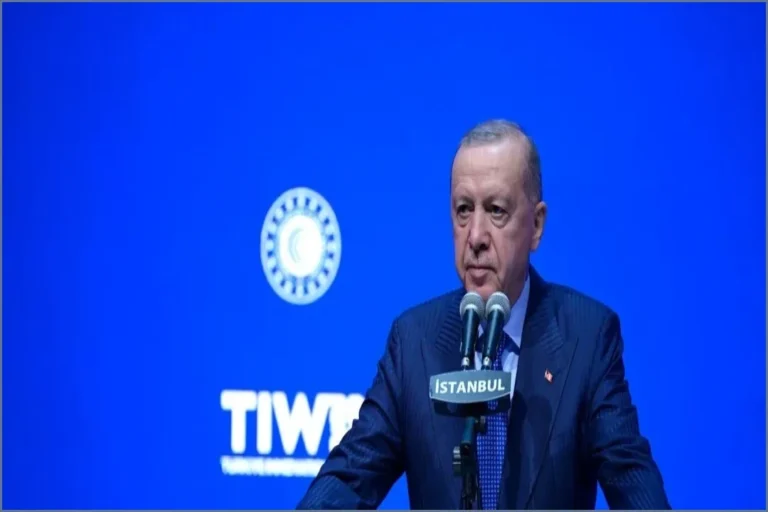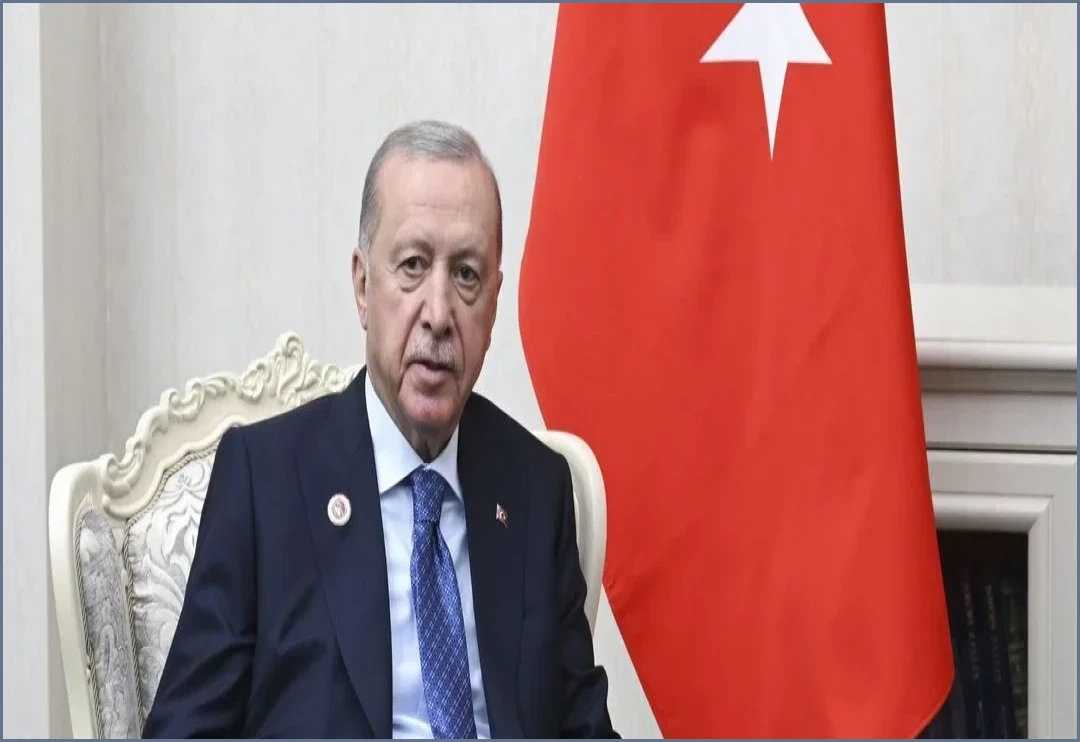
President Recep Tayyip Erdogan has asserted that Türkiye's efforts to join the Shanghai Cooperation Organisation (SCO) do not represent a departure from its relations with the Western world, describing Ankara's diplomatic approach as a "360-degree vision."
Speaking to journalists aboard the presidential plane while returning from the SCO Heads of State Summit in Bishkek, Kyrgyzstan, Erdogan explained that Türkiye is actively pursuing a diversified and broad-based foreign policy. He noted that the country's objective is to expand its global influence and "increase our own weight" rather than turning its back on traditional Western allies.
Addressing the ongoing war between Russia and Ukraine, the Turkish president stated that both he and Russian President Vladimir Putin share a desire to see the conflict resolved through peace at the earliest opportunity. Erdogan also highlighted the critical need to protect civilian maritime shipping in the Black Sea, warning that military operations must not escalate to a level that jeopardizes commercial operations or civilian safety. Furthermore, he raised alarms over a potential resurgence of the global grain crisis, particularly affecting African nations, and advocated for a proactive initiative to address the issue before it deteriorates.
On defense matters, Erdogan confirmed that Türkiye is actively negotiating its return to the U.S.-led F-35 fighter jet program. He expressed optimism about the talks, stating that the issue would be resolved once the necessary procedures in the United States are finalized. However, Erdogan emphasized that Ankara remains committed to its indigenous defense projects, including the KAAN national combat aircraft and domestic air defense systems. He described this dual approach of expanding options as the "roadmap of a strong Türkiye."
Erdogan also touched upon regional security alliances, noting that the recently established Mecca Defence Alliance is designed to foster stability and security across the region. Turning his attention to Aegean tensions, he urged Greece to abandon its current "wrong path" and halt the militarization of islands holding demilitarized status. Warning Athens that "history is a very good guide," Erdogan reiterated that while Türkiye does not covet anyone else's territory, it remains steadfast in defending its own sovereign rights.
On domestic security, Erdogan discussed the "Terror-Free Türkiye" initiative, framing it as a goal-oriented process rather than one bound strictly by a schedule, though he noted a roadmap is in place. He clarified that the implementation of related framework legislation hinges on the PKK terrorist group completely disarming and dissolving. He rejected any actions that could compromise national unity or revive historical divisions caused by terrorism, calling instead for a "Great Türkiye Consensus." Finally, regarding Syria, Erdogan called for the preservation of the country's territorial integrity and stated that the dissolution of the YPG-led SDF would mark the beginning of a peaceful new era for the region, bringing an end to the era of weapons and violence.