Humanitarian aid began reaching survivors in the mountainous border region between Nepal and China on Friday, following catastrophic flash floods that devastated local communities. As the full extent of the disaster continues to emerge, survivors are seeking shelter at makeshift relief centers established by the army. The United Nations agency for children, UNICEF, has warned that at least 17,000 children are in urgent need of humanitarian assistance. The flooding has also caused significant infrastructure damage, with 18 schools destroyed and another 20 sustaining damage. According to the International Red Cross, at least 93,000 people have been affected by the disaster and are in great need of support.
In the Nuwakot district, one of the areas closest to Kathmandu, the impact was severe. Entire villages were swept away in a matter of minutes, leaving behind thick layers of sediment and mud. Debris, including broken pieces of a golden temple and the carcass of a dead buffalo, litters the landscape. Survivors who lost their homes have gathered at roadside tea shops. The Associated Press visited a school in Nuwakot currently serving as a temporary aid distribution center, where nongovernmental organizations provided solar panels, clothing, and basic hygienic goods. One survivor, Kanchi Nepali, described the desperation of the situation, stating that she had lost her home, food, and cooking utensils, noting that what she received today was worth more than a million to her.
Official reports from Nepal’s National Disaster Risk Reduction and Management Authority indicated on Friday that the number of missing people has doubled to just under 2,000. To address the crisis, 14,829 security personnel have been mobilized for search and rescue operations, which include the use of drones to search for survivors in areas that are dangerous to access. Those rescued from the flood zone are being taken to the Maithali Barrack, a military training center in Nuwakot that has been converted into a relief camp and shelter. Helicopters are arriving and departing frequently with people and supplies, while community members wait near the barbed wire perimeter of the center, hoping to see their loved ones arrive.
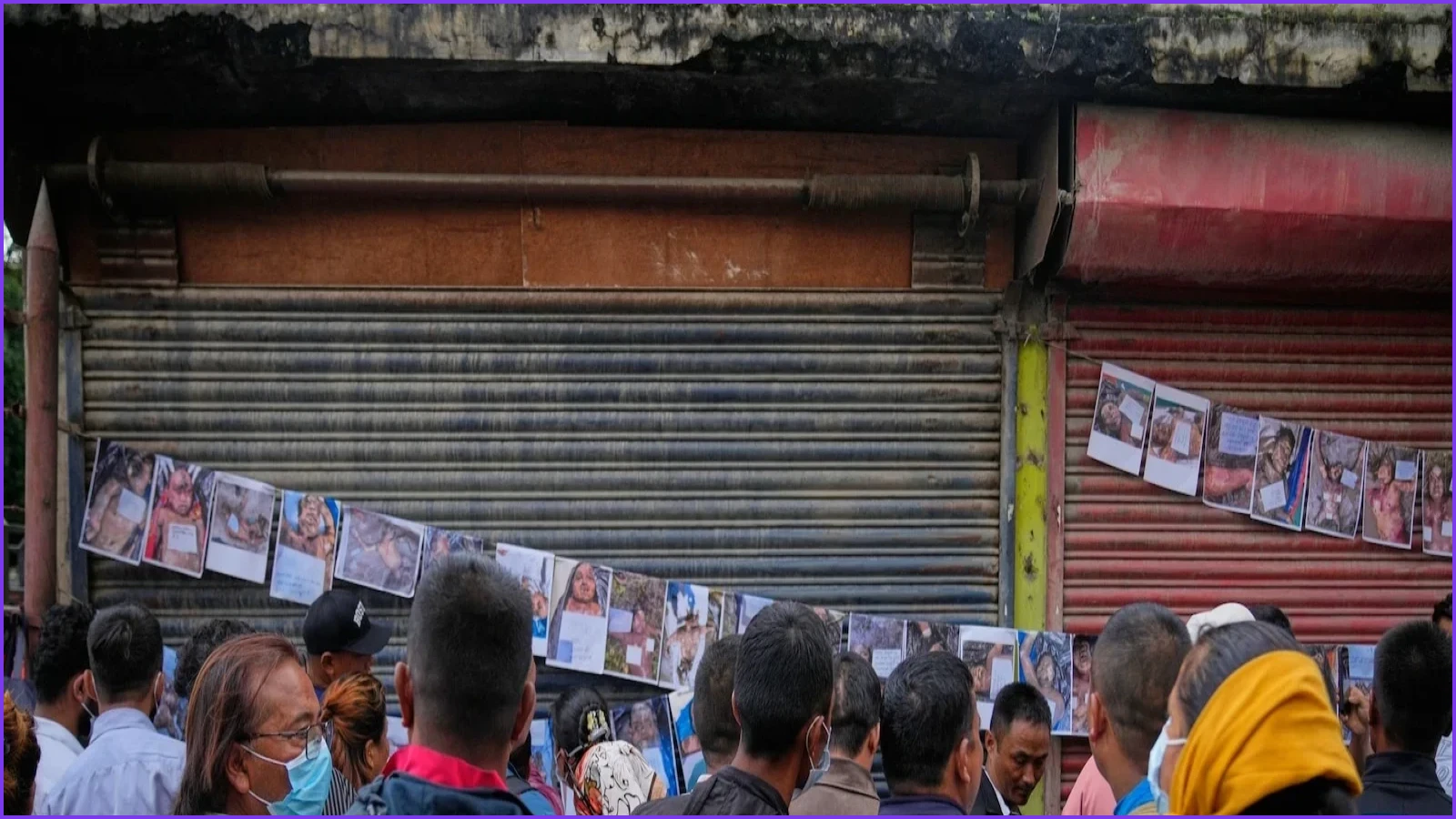
An army medic, who was not authorized to speak to the media, told the Associated Press that those receiving medical care at the center include local community members, foreign tourists, and Chinese workers rescued from the flood zone. In cases considered too severe, such as a pregnant woman who began experiencing labor pains, individuals are airlifted to a nearby hospital. The shelter is also serving as a hub for family reunification, with workers attempting to help children who were separated from their families. However, the center has also become a place of grief, as bodies recovered from the flood zone are placed behind orange and green tarps until they can be identified.
For some, the disaster was a sudden and harrowing experience. Chanda Lal Chitrakar, 62, told the Associated Press that on the morning of the flood, he paid little attention to the government flood warning messages sent to his phone. Having lived through last year’s floods, he remained at his riverside tea shop with friends as they watched the water rise. With only the clothes he was wearing and his cellphone, he eventually fled to a high hill behind the police station. He stated that only when he reached the top did he feel like he could breathe.