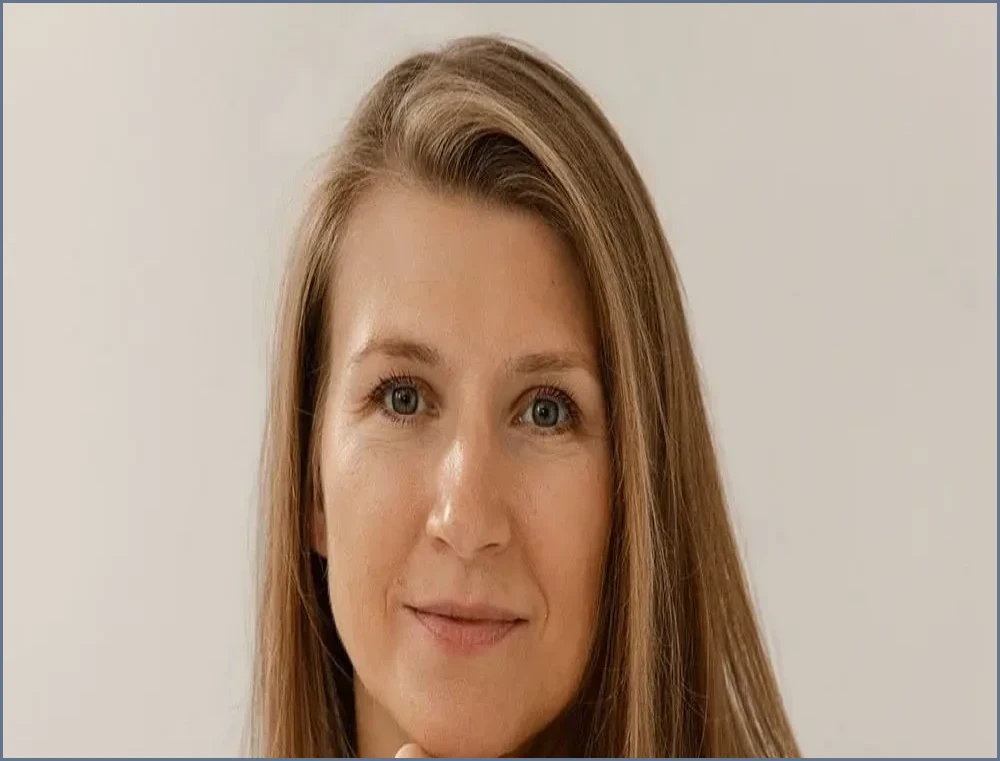
Anna Bärlund, an AI consultant originally from Russia, has achieved a significant victory in her legal challenge against a citizenship rejection, becoming one of the first individuals to successfully appeal under Sweden’s recently tightened residency requirements. While the specific arguments used in her case may not apply to all applicants, the ruling by the Migration Court in Malmö could carry broader implications if it is upheld.
The legal battle stems from Sweden's decision on June 6th to impose stricter citizenship laws. At that time, approximately 100,000 applicants who were already in the queue found themselves suddenly subject to these harsher rules, even though many, including Bärlund, had submitted their applications well in advance. Bärlund had applied for citizenship in 2023, long before the government proposed the legislative changes. Furthermore, she had obtained a court order in the spring of 2025 intended to fast-track her case—a mechanism often criticized by the Migration Agency and other authorities for its inability to function as intended and for contributing to system congestion.
Reflecting on the process, Bärlund described the personal toll of the delay, noting that the only tangible result of her fast-track request was the confiscation of her passport. This left her unable to travel for over a year, preventing her from visiting family and friends or engaging in international work. As a partner to a Swedish citizen, Bärlund was among those most significantly impacted by the legislative shift, which more than doubled the residency requirement for partners from three to seven years. Nine days after the new laws came into effect, the Migration Agency denied her application. "I cried, if I'm honest, because it felt so deeply unfair," she stated.
Bärlund chose to appeal the decision, and on October 7th, the Migration Court in Malmö ruled in her favor. The court's decision, as read by The Local, stated: "The Migration Court overturns the appealed decision and remits the case back to the Migration Agency for further processing."
Due to her long wait, Bärlund was rejected right at the finishing line, when she was just three months away from meeting the new seven-year requirement. As a result, she ended up reaching those seven months while waiting for her appeal to be processed by the court. "Upon review of the case documents, the Migration Court notes that Anna Bärlund's period of habitual residence in Sweden now exceeds seven years," the decision continues.
Essentially, the ruling indicates that an applicant has to meet the new rules by the time a court makes a decision on their appeal, even if they did not meet them when the Migration Agency made their decision. This is an existing legal principle, but it was not yet clear whether or not it would apply in cases relating to the lack of transitional citizenship rules. Youstbi Djuanvat, a lawyer for Edelweiss Legal KB, which represented Bärlund, welcomed the judgment but warned that the Migration Agency could still appeal it, so the ruling is not set in stone. "I spoke with my client today and we are ready to fight this in the court of appeal if the Migration Agency decides to challenge the court decision," he told The Local.
Djuanvat noted that this ruling could suggest that rejected citizenship applicants who are close to meeting the new requirements might benefit from appealing their rejection. "Absolutely, and it can be applied in different circumstances. If you do not fulfil the language or civic knowledge requirement, then maybe you can appeal that and then you complete your SFI and by the time you finish, you just send it to the court and say ‘there you go, now I fulfil the requirement – I would like my citizenship'," he said. "But again, this decision is not final, so we don't yet know the final outcome."
In any case, Bärlund will still have to show that she meets all the other requirements for citizenship. She just took a Swedish test to be able to demonstrate her knowledge of the language, but she doesn't know when she might get a chance to sit the civics test. "I have mixed feelings. I feel good in the sense that someone would feel if they won something, but I don't feel relieved. I don't feel overjoyed, simply because I know it's (…) going to be a long and stressful process now with the Migration Agency," she said. "I'm just gearing up to get ready for the next steps. That's how I feel."
She still feels stressed and uncertain about the future and isn't sure she wants to stay in Sweden, partly because she feels betrayed by the lack of transitional citizenship rules. But what's even more important to her is the things that were said by politicians in the debate. "All immigrants were called criminals (…) and there was just a lot of anti-immigrant rhetoric in the run-up to the election. I'm just fundamentally unsure that I want to bring up my child in such rhetoric and environment," she said. "So that's a question mark."
For those in similar situations, further information on the process can be found in the article: How to appeal if your application for Swedish citizenship is rejected.