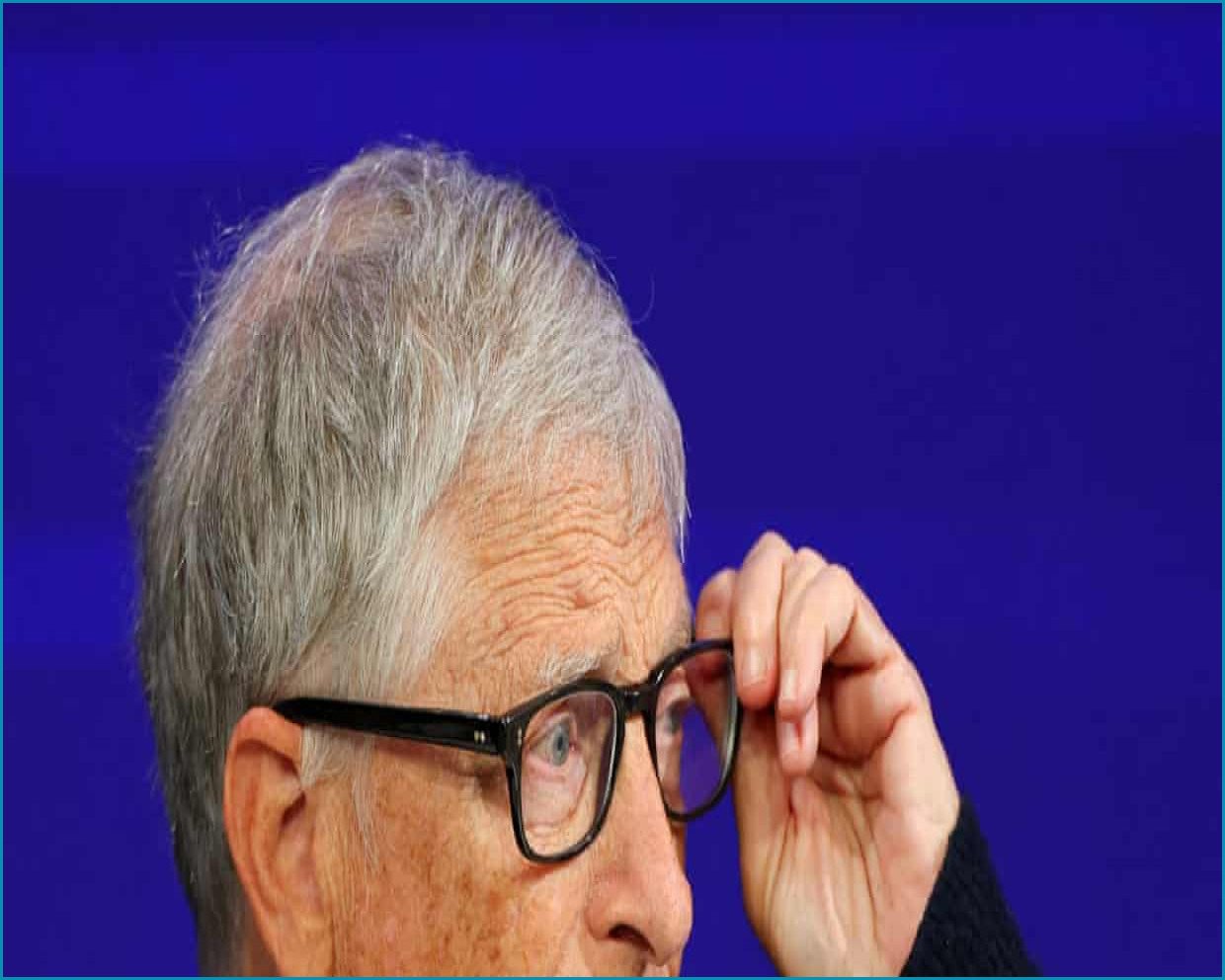
Microsoft co-founder Bill Gates has issued a stark warning regarding the rapid advancement of artificial intelligence, suggesting that certain professional sectors should be designated as “human reserved” to prevent their total displacement by automation.
In a 6,000-word essay titled The turbulent AI era is here. The choices we make are critical, the billionaire philanthropist argued that while technological progress is inevitable, the loss of certain human-centric roles would be too great a societal cost.
Drawing a parallel to how nature reserves protect the environment from development, Gates proposed that society should intentionally set aside specific functions for humans only. He highlighted the care provided to his father, who suffered from Alzheimer’s disease before his death six years ago, as an example of work that should remain human-led.
“Something in the care they gave my dad was irreplaceably human, no robot could or should have done it,” Gates wrote. He added that while there is no technical barrier to a robot delivering news of a terminal illness, it is a task that should remain the responsibility of a person.
Gates expressed significant concern that global governments are currently ill-prepared for the sheer scale of the disruption AI will cause across national security, education, taxation, energy, and the financial system. He likened the necessary institutional response to the massive reorganization the United States government underwent following the 9/11 attacks, suggesting that the current global architecture is not yet equipped to design and implement the required frameworks.
Furthermore, he noted that international cooperation, specifically between the US and China, will be essential for managing these risks.
Regarding his diplomatic efforts, Gates’s staff are organizing a meeting with Chinese President Xi Jinping in November to discuss mitigating AI-related risks. The two last met three years ago. In addition to his policy recommendations, Gates voiced concerns about the impact of AI on education, citing preliminary research that suggests heavy reliance on AI tools may correlate with a decline in critical thinking skills, particularly among young people.
This essay marks one of Gates’s most significant public interventions since reports surfaced regarding his past associations with Jeffrey Epstein. An external review recently commissioned by the Gates Foundation identified approximately 30 meetings between Gates and Epstein between 2011 and 2014.
Gates, who serves as chair of his $89bn (£65bn) foundation, has not been accused of involvement in Epstein’s crimes and has previously expressed regret for the time spent with the sex offender.
“Many jobs will disappear forever,” he said, in his first lengthy piece on AI in three years. “I believe that as AI and robots improve, we’ll set aside certain things for only people to do.
“The highest priority is a monumental task: creating a domestic and international framework for dealing with AI,” he wrote. “After the attacks of 9/11 the US government went through its biggest reorganisation since World War II for the purpose of improving just one function, national security.