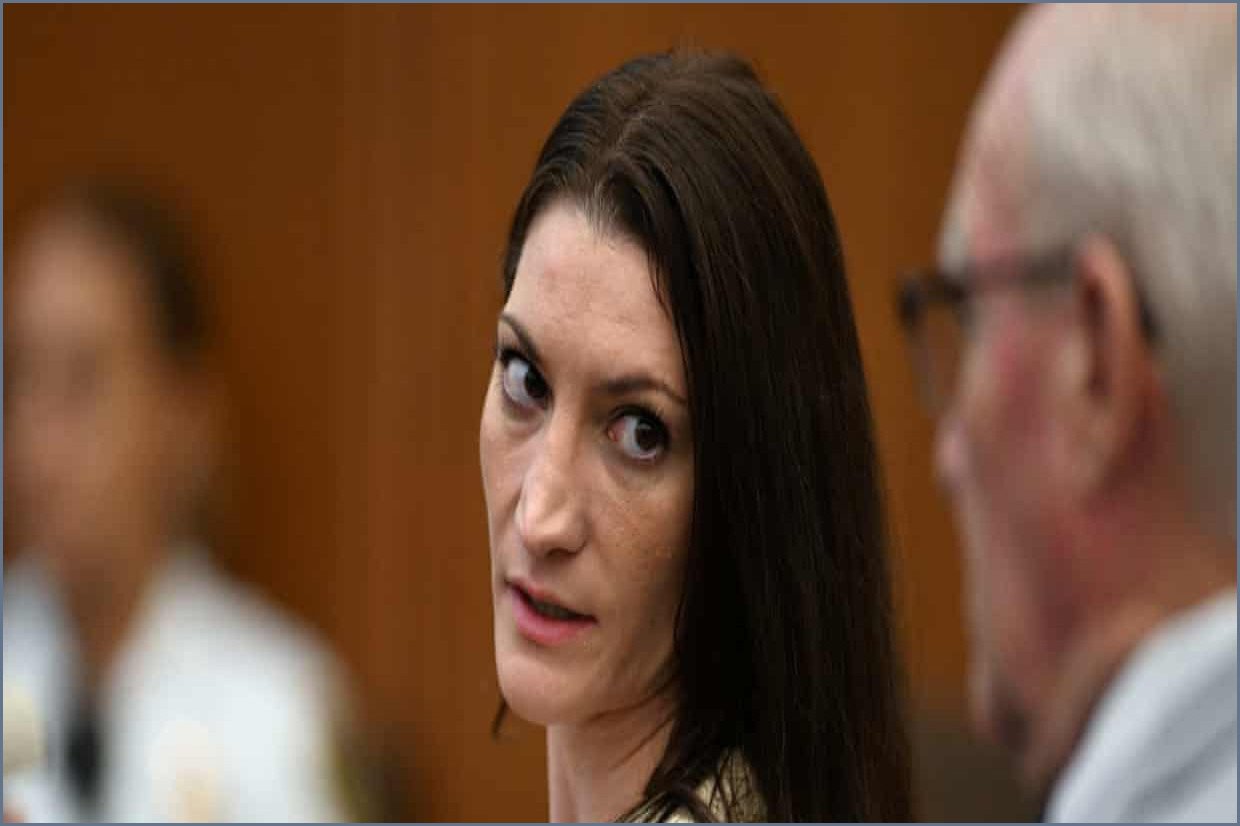
The defense in the murder trial of Lindsay Clancy rested its case on Friday, concluding a presentation focused on the mother's mental state and her efforts to seek help prior to the deaths of her three children. The defense team wrapped up more quickly than some observers anticipated, following the prosecution’s own rest earlier in the week.
Before concluding, the defense called forensic psychiatrist Dr. Phillip Resnick, a prominent figure known for his role in the 2001 murder trial of Andrea Yates. Yates, who drowned her five children in Texas, was ultimately found not guilty by reason of insanity in 2006 following a retrial, with experts like Resnick testifying that she suffered from severe postpartum psychosis. While Clancy’s defense attorneys do not contest that she strangled her children—Callan, Dawson, and Cora, aged eight months, three years, and five years respectively—they maintain she is not criminally responsible due to postpartum psychosis. Conversely, Massachusetts prosecutors argue that Clancy killed her children intentionally and subsequently staged a suicide attempt.
Following the defense's rest, the prosecution initiated its rebuttal case, a standard procedure in trials involving an insanity defense. They presented three witnesses before the court prepares for closing arguments. The first rebuttal witness was forensic psychiatrist Dr. Avram Mack, who testified that during an April conversation, Clancy described feeling "miserable" and expressed that she did not want to be alive. When asked by Assistant District Attorney Shanan Buckingham if Clancy retained the capacity to understand the wrongfulness of her actions and conform her behavior to the law, Dr. Mack stated, "[Clancy] had retained that capacity." He added that while she likely experienced a major depressive episode and anxiety, he found no evidence of a bipolar manic state.
During cross-examination, defense lawyer Kevin Reddington challenged Dr. Mack, criticizing his reliance on information provided solely by Clancy while she was medicated in a psychiatric facility, without interviewing others from her life. Addressing her state following the birth of her son Callan, Dr. Mack noted that Clancy had been anxious about returning to work and utilizing a nanny. "There was some degree of wanting to be able to handle the children on her own," he testified. "She felt very positively about her ability to take care the children, but also some ambivalence about other people being able to take care of the children."
Judge William F. Sullivan indicated that if all testimony concludes by the end of Friday, closing arguments will likely take place on Monday. Should proceedings extend into Monday, closing arguments would be pushed to Tuesday. If convicted of first-degree murder, Clancy faces life in prison without the possibility of parole. If the jury finds her not criminally responsible, she would instead be held in a state psychiatric facility.
The trial has drawn significant attention to the state of maternal health care in the United States, particularly regarding the under-diagnosis of postpartum depression and the rare condition of postpartum psychosis, which the Cleveland Clinic notes affects one to two women per 1,000 births. On Thursday, hundreds of supporters gathered outside the courthouse wearing pink and carrying signs such as “She Needed Help.” Attendee April Vincent remarked, “Women are being dismissed, neglected and ignored when we speak up. We’re scared because nobody takes us seriously.”