President Trump has signaled an intent to deploy an unprecedented level of economic warfare against Iran, with Treasury Secretary Scott Bessent pledging to collapse the regime through the most stringent sanctions in history. Experts and officials suggest that the success of this bolstered campaign may rest largely on the cooperation of the United Arab Emirates, a key U.S. ally in the Persian Gulf.
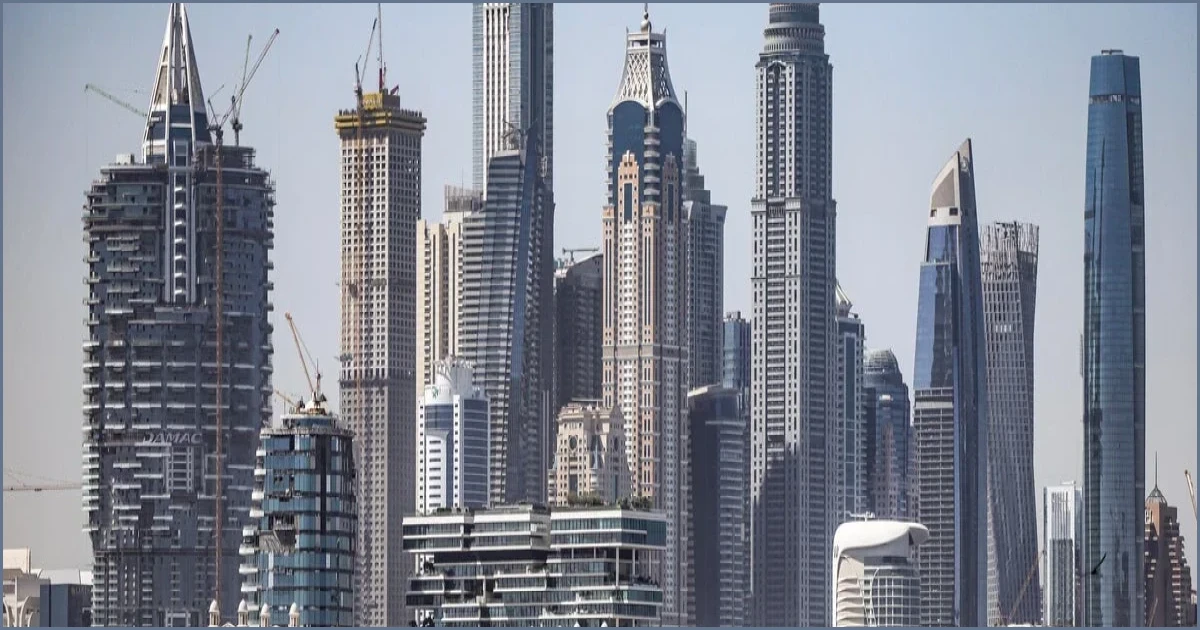
According to Miad Maleki, a former U.S. Treasury official, Dubai serves as a vital hub for Tehran, facilitating approximately 80% of Iran's foreign currency exchange. Maleki explained that the Iranian economy currently operates through a scheme where oil is sold to China, and the resulting funds are either used to pay for Chinese imports or moved to jurisdictions like the UAE via exchange houses. He stated that the UAE is positioned to be highly instrumental in cutting off the regime's access to both foreign currencies and its oil reserves held in various international banks.
In recent weeks, the U.S. Treasury has actively targeted shell companies suspected of operating as a shadow banking system for the Iranian regime. One such entity, the Dubai-based HMS Trading FZE, was identified by the Treasury earlier this month as playing a critical role in helping Iran retrieve revenue from overseas oil sales, thereby aiding prominent petroleum exporters. Furthermore, a statement from the Treasury on August 7 noted that Iran's Shahr Bank, which is linked to the Islamic Revolutionary Guard Corps, had relied heavily on two Dubai-based currency exchange firms to launder money. The U.S. has since barred American nationals from conducting business with these companies and is imposing secondary sanctions on foreign banks that knowingly engage with the Dubai-based shell entities.
A Trump administration official stated on Friday that the combination of crushing sanctions and a U.S. naval blockade has left Iran’s economy effectively bankrupt, adding that the president has many more levers to pull in the coming months. In response to the shifting landscape, the UAE has announced that all trade, commercial exchanges, and financial transactions with Iran have been halted until further notice. Afra Al Hameli, a spokesperson for the UAE Ministry of Foreign Affairs, emphasized the nation's firm commitment to safeguarding the integrity of the international financial system.
This policy shift follows a series of recent attacks by Iran that may have served as a catalyst for the Gulf state's announcement. Emirati officials reported that Iran launched two ballistic missiles at the UAE, which triggered the country's air defenses for the first time in weeks, though authorities noted the missiles fell into the sea. Additionally, UAE officials previously stated that Iran attacked an Abu Dhabi National Oil Company vessel as it transited the Strait of Hormuz. Observers suggest these incidents have led the Emiratis to adopt a more proactive stance, realizing that the current economic situation is unsustainable.