With a historic state election in Saxony-Anhalt just a couple of weeks away, international residents and naturalized citizens across Germany are expressing deep anxiety over a potential victory for the far-right, anti-immigration Alternative for Germany (AfD) party. The upcoming vote on September 6th will shape the state's parliament and directly impact local residents for at least the next five years. But the stakes feel exceptionally high in this election – not since the end of the Second World War has a far-right party been so close to taking power in a German state.
Recent polling suggests the AfD could secure a landslide victory, capturing slightly more than 40 percent of the vote. Such a result would put the party—which is classified as a confirmed far-right extremist group by intelligence authorities in Saxony-Anhalt—within reach of forming a single-party government.
In a survey gauging the sentiments of foreign residents and naturalized Germans, the most common reactions to a potential AfD victory were fear, concern, and disappointment. One anonymous female respondent stated she would feel "horrified and furious" if the party took power, while a Chinese scientist living in Berlin remarked that they would be "very disappointed with Germany." Jeffrey Lazar, a dual citizen currently residing in Austin, Texas, warned that an AfD victory "would be a disaster for democracy and for the country," adding that it would make him hesitant to travel to Germany to visit his family.
Out of 30 initial respondents to the survey, only three expressed positive feelings about an AfD victory, though none of them wished to be named. A few others showed apathy or indifference. Ronee Silva, a resident of Stuttgart, questioned if he should even worry, noting he would be "happy to leave this country anytime." Another respondent suggested that a victory could serve as "a good opportunity for the AfD to learn what it means to govern rather than troll."
Because most of the survey respondents live in other German states rather than Saxony-Anhalt itself, many focused on the broader, systemic impacts of an AfD-led government. They pointed to intangible consequences, such as an emboldened climate of racism and a shift toward fascist politics, rather than immediate, localized policy changes.
Eduardo, a Brazilian national who has built a life in Germany, bought a house, and raised a daughter who calls the country home, cited "more racism" and "job issues" as his primary concerns. He questioned what would happen if the party made life increasingly difficult for migrants. Still, he can imagine that the AfD “would make life so hard that I would need to leave”.
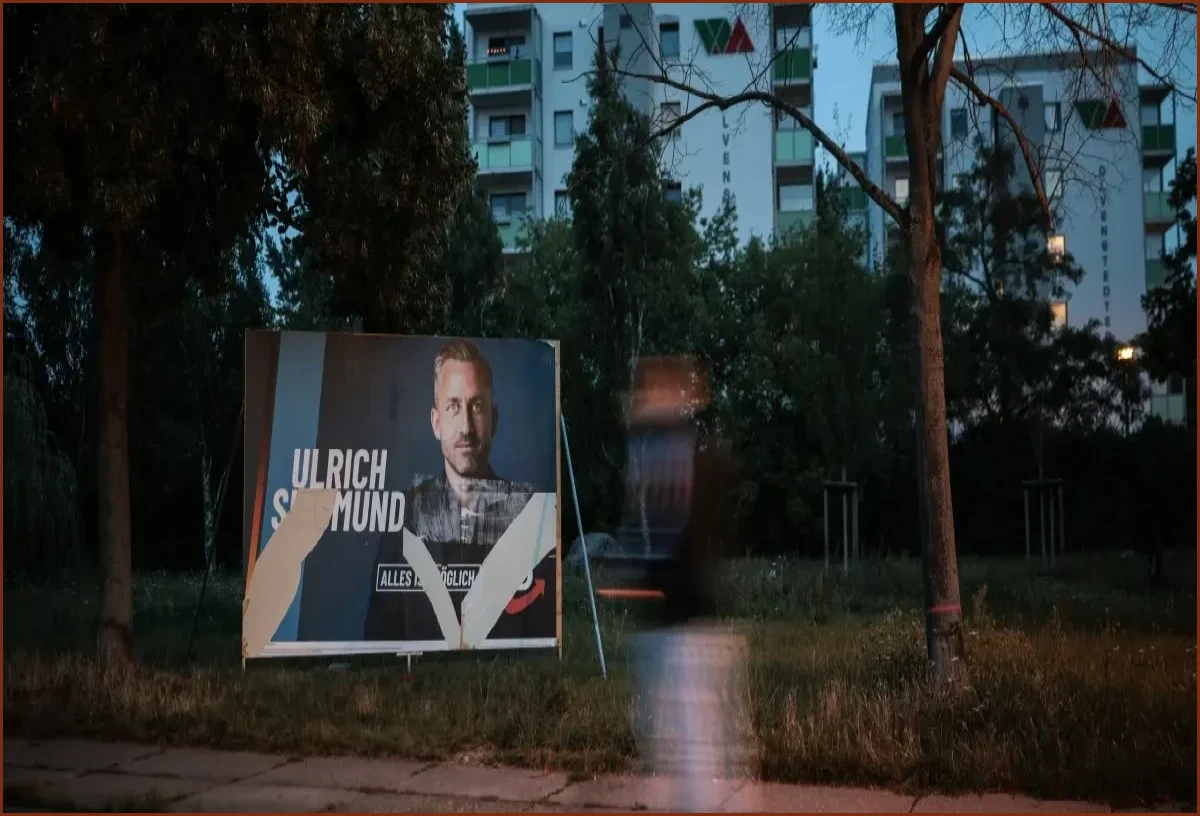
These fears align with the rhetoric of Ulrich Siegmund, the AfD's top candidate in Saxony-Anhalt, who has publicly stated that an AfD government should aim to make the state as "unattractive as possible" for foreigners.
The prospect of rising AfD influence has also raised alarms for business owners. Marcus Doille, an Australian living in Berlin who owns an IT company employing foreign workers, identified the concept of "remigration" as his biggest concern. He warned that targeting one group for deportation or exclusion would quickly make other vital workers, such as semi-skilled hospital care staff and those without formal degrees, feel unsafe and prompt them to leave. Doille noted that such an exodus would affect everything from healthcare to food delivery, drawing a parallel to the economic fallout of Brexit in the United Kingdom.
Another anonymous skilled immigrant worker echoed this sentiment, writing, "They would hate me because I’m an immigrant." Beyond foreign nationals, naturalized citizens also fear targeted policy shifts. Chris Owen pointed out the AfD's strong opposition to Germany's dual-citizenship laws, stating, "I might be subject to the removal of my German citizenship."
A political scientist based in Bavaria, who requested anonymity, warned that the AfD's policy proposals would have wide-ranging negative consequences, hurting "working people, women, foreigners, children, LGBTQ people, the climate and environment, NATO and the EU." “It would strengthen other far-right movements in Europe and the world,” said one anonymous respondent. While noting that the immediate local impact might seem limited, they pointed out that existing far-right local administrations have already begun reducing cultural offerings and enabling more violent rhetoric. "I have friends who belong to groups targeted by those neonazis," they said, "and the suggestion that 40 to 50 percent of their neighbours actively wish them harm is terrifying."