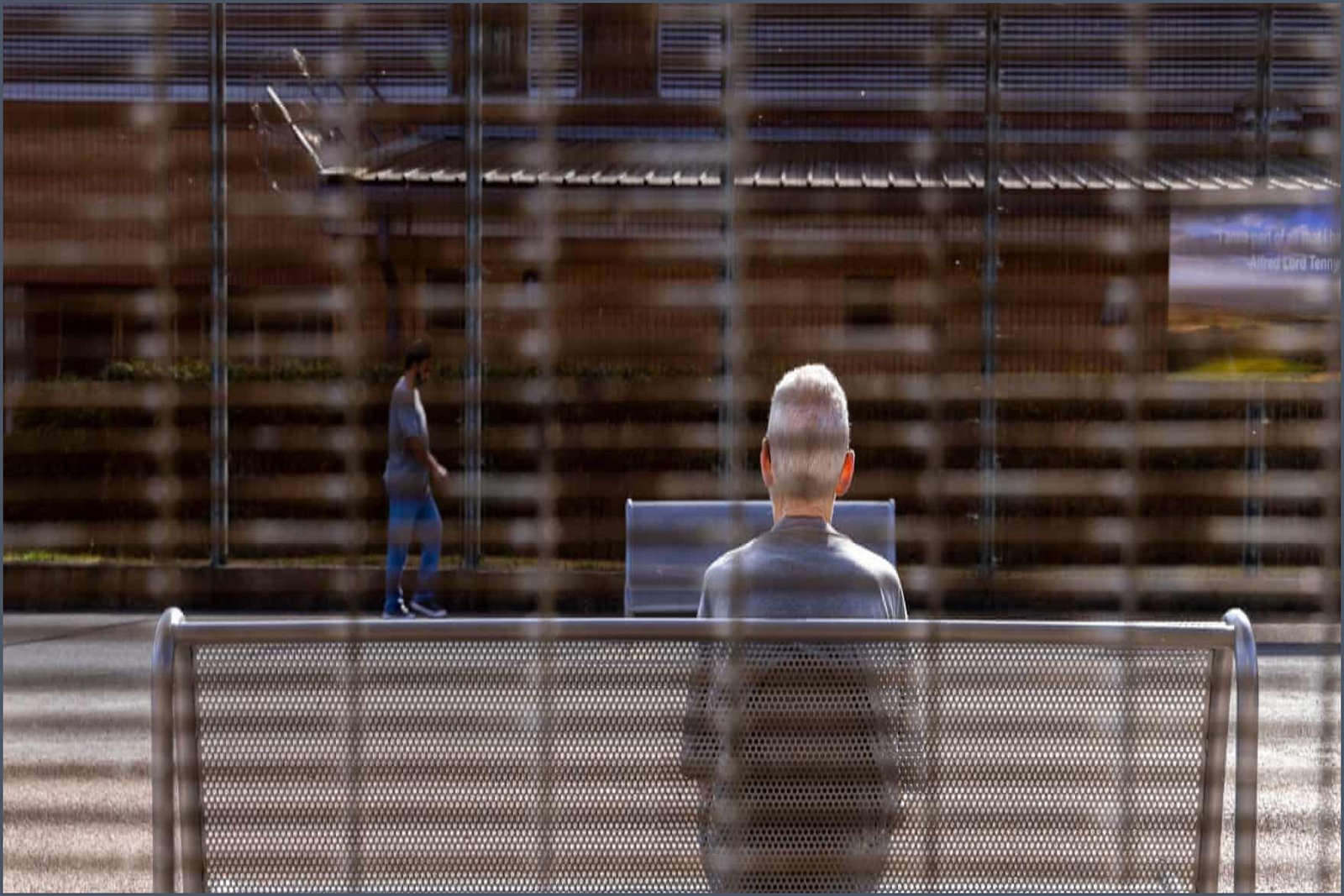
Between 1842 and 1877, dozens of prisons were built in Britain, many of which are still in use today. Today, more than 30 of these Victorian-era institutions remain in operation, collectively housing approximately one-quarter of the United Kingdom's total prison population. These structures, including HMP Lincoln and HMP Liverpool, reflect a 19th-century faith in progress, designed with the intention of remaking individuals who had defied the law.
Photographer Andy Aitchison has spent more than 20 years documenting these environments for his book, Incarcerated. His interest began in 2004 during an assignment for The Big Issue at HMP Wandsworth. He went 10 or 15 times over a six-month period to make more pictures. Built in 1851, the south-west London facility is one of the largest jails in western Europe, with a capacity for 1,456 prisoners. Aitchison noted that while wings are often characterized by shouting, spaces like radio rooms could serve as sanctuaries where prisoners adopted a different demeanor in a work environment.
The conditions within these aging buildings remain a subject of debate. Less than 50 years later, in their 1922 study, English Prisons Today: Being the Report of the Prison System Enquiry Committee, Stephen Hobhouse and Fenner Brockway famously argued that the only useful reform for these buildings would be to use dynamite. Despite such critiques, the infrastructure persists. The ongoing project Incarcerated examines the tension between architectural obsolescence and the continued function of these sites, incorporating research from geographers, criminologists, and historians.
Daily life within these walls is captured through Aitchison's lens, often under strict regulatory conditions. His equipment is subject to search, and he is prohibited from photographing specific items such as keys, locks, or fence numbers. Furthermore, the identities of serving prisoners are protected; explicit permission from the Ministry of Justice is required for publication, and faces are never shown. The images highlight the stark realities of the facilities, from suicide netting in HMP Lincoln and HMP Wandsworth to the physical limitations of the architecture, such as Robert, 77, who sits in his wheelchair outside his cell at HMP Lincoln, where his chair does not fit through his cell door.
The human element remains central to the work. Aitchison records individual experiences, such as John in E wing at HMP Lincoln, who lives with dementia and spends his time in a cycle of distress in his cell, only finding peace in the fresh air of the exercise yard. Since his early assignments, Aitchison has photographed nearly 50 prisons. Through his long-term documentation, which has appeared in Inside Time and various international publications, Aitchison provides a portrait of the people navigating a system built in a different century.
He later told Time Out: “I went on to one of the wings and there was the usual shouting, but when I got to the radio room it was like a bit of a sanctuary. Once the guys stepped in there, it was a work environment and they became almost different people.