For generations, the traditional "big five"—lions, leopards, rhinos, elephants, and buffaloes—have defined the ultimate wildlife travel experience. However, recent research from tour company Explore suggests that modern travellers are increasingly looking beyond the conventional safari, showing a growing preference for a new set of bucket-list creatures.
The study, which surveyed 2,400 people across 12 countries and analyzed 12 months of Google search data, highlights a 211% surge in searches for "wildlife holidays." According to the findings, 72% of global respondents now consider wildlife an important factor when selecting a holiday destination.
Australia emerged as the top-rated destination for wildlife enthusiasts, capturing 38% of the survey responses. South Africa followed with 11%, while Kenya, Canada, and China rounded out the top five, securing 9%, 7%, and 6% of the interest respectively. The research identified five specific animals that now dominate the travel desires of modern explorers.
Giant pandas currently hold the top spot, with 41% of respondents expressing a desire to see them in the wild. Native to the mountainous regions of China's Gansu, Shaanxi, and Sichuan provinces, these creatures inhabit dense bamboo forests. Although they were once classified as endangered, the International Union for Conservation of Nature still marks them as a vulnerable species, making a sighting a rare treat.
Visitors can attempt to spot them at the Chengdu Research base, which is China's leading panda breeding centre, or at the Wolong National Nature Reserve, the largest wild panda habitat in the country.
Elephants remain a popular choice, with 32% of survey participants keen to see them. As the only animal from the original "big five" to appear on this new list, they are best viewed at Botswana's Chobe National Park, which hosts the world's largest concentration of up to 120,000 elephants.
In Asia, the Udawalawe National Park in Sri Lanka is also a recommended destination, as it functions as a care centre for orphaned elephants to be nursed back to health.
Australia’s iconic marsupials also feature prominently. Kangaroos are the most sought-after encounter for 32% of respondents. These animals can be found in diverse environments ranging from grasslands to coastal regions. To ensure a sighting, travellers are encouraged to visit the aptly named Kangaroo Island off the coast of Adelaide or Murramarang National Park in New South Wales, where the Eastern Grey variety can often be spotted on the beaches.
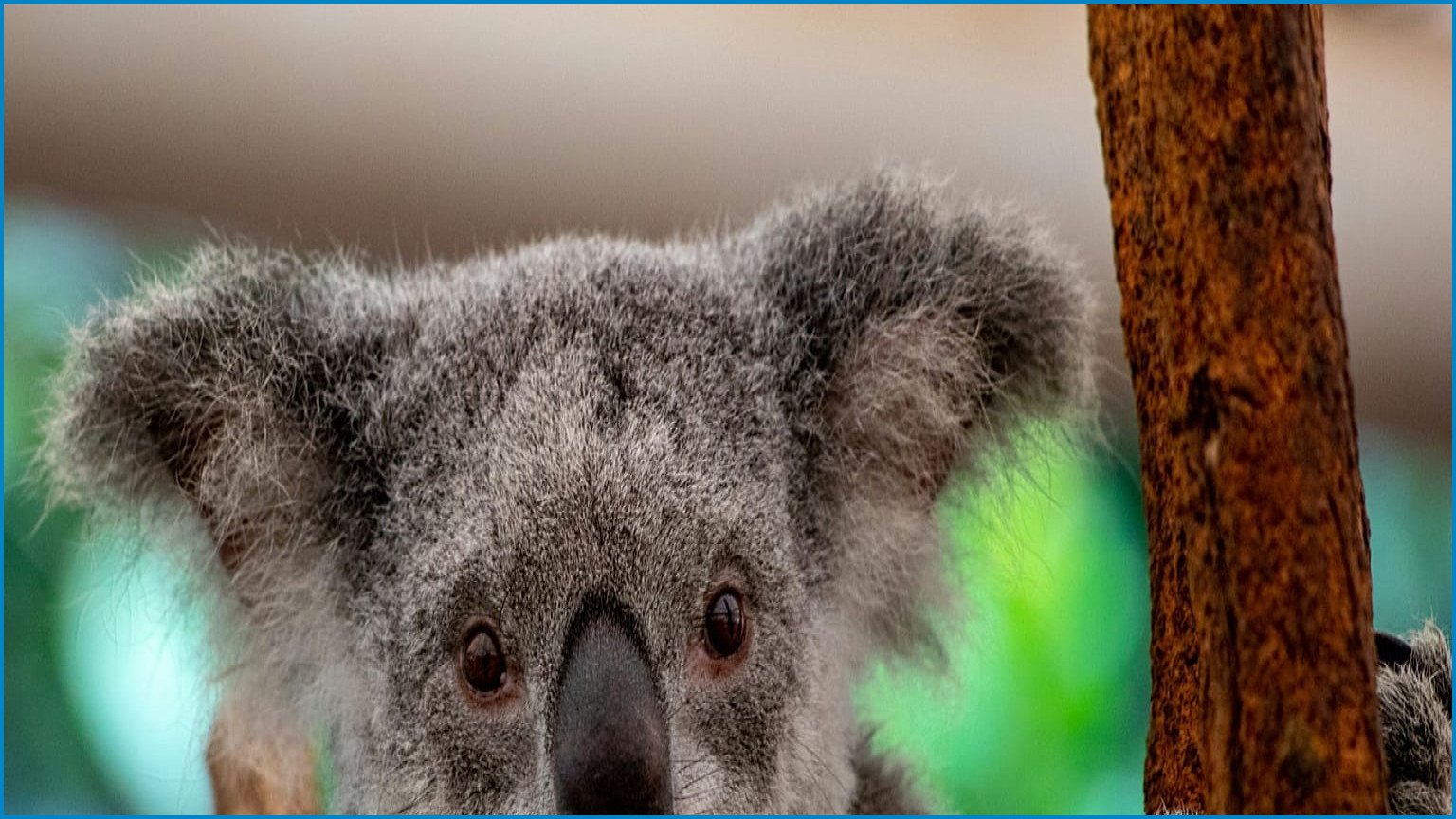
Koalas are equally popular, with 30% of people naming them as a dream sighting. Despite their famously relaxed lifestyle, where they sleep between 18 to 20 hours a day, koalas are notoriously hard to spot in eucalyptus trees. For a better chance of viewing them, Kangaroo Island is a safe bet, as is the coastal hub of Port Stephens in New South Wales.
Finally, 29% of respondents expressed a desire to see whales in the wild. Because these animals migrate seasonally, whale-watching is considered an achievable once-in-a-lifetime experience in various global locations, from Australia to Canada and Madeira in the Atlantic Ocean.
Key destinations for this activity include Hermanus in South Africa, the self-proclaimed whale-watching capital of the world, and Mirissa in Sri Lanka, which is renowned as one of the best places globally to spot blue whales.