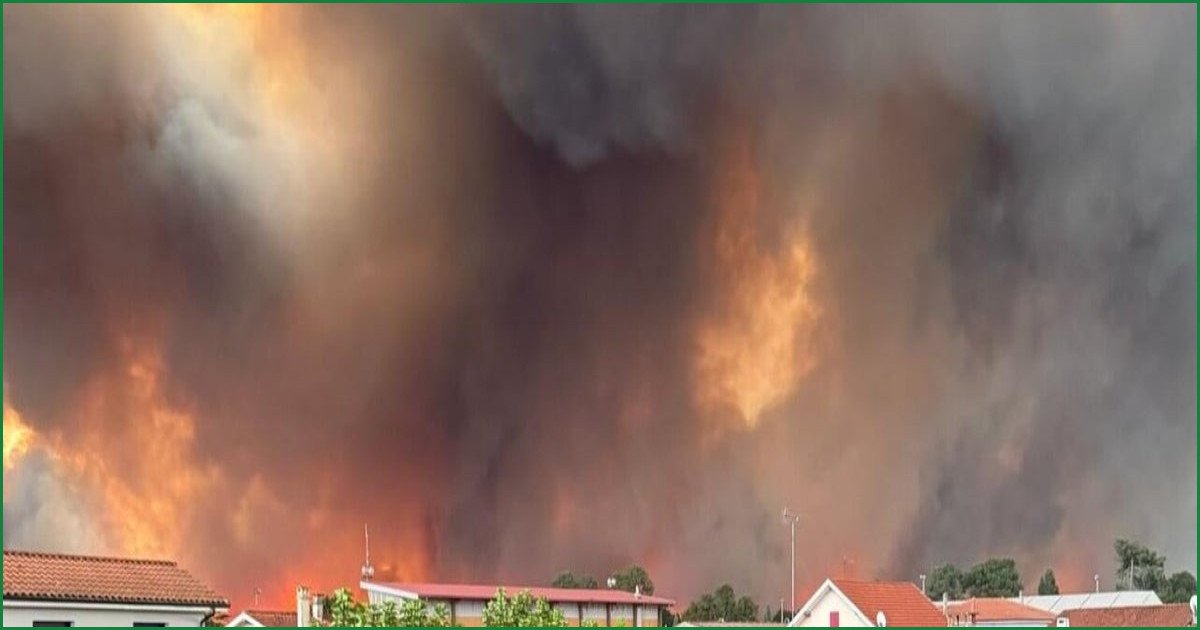
More than 2,500 firefighters are currently engaged in a desperate battle against the largest wildfire to hit France this year. Located along the country's southern Atlantic coast, the blaze has already scorched an area four times the size of Paris in less than a week. The intensity of the fire is such that officials report it has begun generating its own wind and fire storms. Thomas Cazenave, the mayor of Bordeaux, stated that the fire moved to within approximately 9 miles of the wine-growing region's metropolitan areas over the weekend, remaining between 15 and 19 miles from the city of Bordeaux itself.
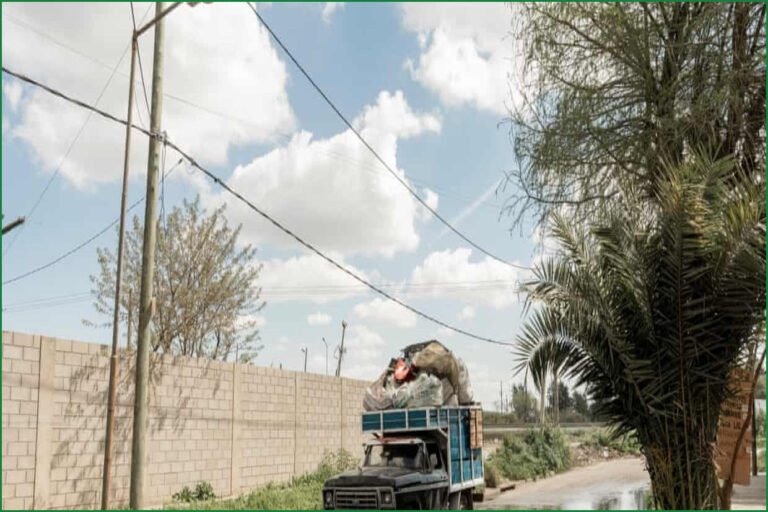
The human and structural toll has been severe. At least 84 firefighters have sustained injuries, more than 200 homes have been destroyed, and over 220,000 people have been forced to evacuate. This evacuation count is more than five times higher than the total seen during the last major French wildfire in the same region four years ago. Approximately 25 miles south of the main blaze, a second fire was sparked by a burning van on a country road. This incident forced another 30,000 people to flee the town of Biscarrosse, including residents of a nursing home and children from a summer camp.
Among those caught in the chaos is Rebecca Papin, an American from Franklin, Tennessee, who remains trapped in Biscarrosse with her two children, 9-year-old Violet and 11-year-old Louie. Papin told reporters that she missed the initial evacuation order on Thursday night because she sleeps with earplugs. By Friday morning, the situation had deteriorated significantly. She described the eerie silence of her street, noting that when she looked outside, every car from every driveway was gone except for her own. A police officer later informed her that she was not allowed to leave. She recounted a surreal experience visiting a local supermarket on Sunday, where the only people present were herself and soldiers dressed in combat camouflage, describing the scene as feeling like being in a film.
Despite official instructions to remain in place, Papin is prepared to take matters into her own hands to protect her children. She noted that her street has been barricaded with metal barriers at both ends due to the danger. She plans to move the barrier and drive away if necessary, intending to tell police at the first blockade that she fears for her life. However, her escape route is precarious; the only road out of town leads through the Landes de Gascogne, one of France's largest forests, which is already engulfed by fire.
The crisis is not limited to France. Across the border, the Spanish government has declared a national emergency as crews fight fires on two major fronts. One blaze, located west of the capital, Madrid, has become the largest in the country's recent history. A second fire near Valencia on the Mediterranean coast has already resulted in the death of a 78-year-old man. European scientists attribute these disasters to a combination of drought and extreme heat, following what was already Western Europe's hottest June on record.
The situation is expected to worsen significantly this week. A fourth heat wave is forecast to hit France and much of Western Europe, extending from Italy to the U.K., around midweek. Temperatures are expected to climb toward 104 degrees Fahrenheit, and some weather models suggest the extreme heat could persist through the first week of August, further complicating efforts to contain the fires that have already consumed an area in France nearly the size of Los Angeles.
"My street is barricaded. There's a metal barrier that's been placed at the beginning and the end of my street because it's so dangerous. No one can enter or exit. And so what I will do would be to move the barrier and drive off of the street," she said. "And when I hit the first police blockade that goes out of the town, the first police stop point, I will say I fear for my life. I can no longer stay in the city and I will continue driving."