Five years after the Taliban swept into power, the question of whether Western nations maintain any meaningful influence in Afghanistan remains a subject of intense debate. In a whitewashed basement in a village south of Kabul, a dozen young women bustle about, stirring cauldrons of bubbling cherries and plums, and sticking labels on glass jam jars. Ventures like this are one of the rare spaces where women are still able to gain skills and employment in Taliban-ruled Afghanistan. It is run by Najia, a 47-year-old Afghan entrepreneur and mother of nine children who was married at the age of 14. If the authorities had not barred girls and young women from secondary schools and universities, many of the women in this workshop, including Najia's daughters, would be studying for a different kind of future.
Jam-making workshops are one of the vanishingly few ways women can still learn and make money, but even this is being squeezed. Recent rules dictate that women must ask men to take their products to market, and only men can sit at their stalls to show their wares at trade fairs. The Taliban offers various reasons for these restrictions, including claims that women are not wearing proper hijab or head covering. "The world has to talk to the Taliban in a different way because it's just not working," says Najia. "The lives of Afghan women have to change because we're losing hope."
Since the ultra-conservative Islamist movement took charge, women have been banned from much of the public sphere and girls are prohibited from going to school over the age of 12. Many inside and outside Afghanistan are asking the same pressing question: what is the best way to engage the Taliban to try to achieve meaningful change? The issue is deeply divisive, with fissures between many groups and a huge array of conflicting issues at stake. These include women's rights, unpredictable Taliban edicts, international sanctions, and aid cuts during a spiralling humanitarian crisis. The international response is split between Western countries often focused on human rights and others more interested in investment opportunities, and the West itself is divided on the best response. Many now accept that whatever they are doing, it is not working.
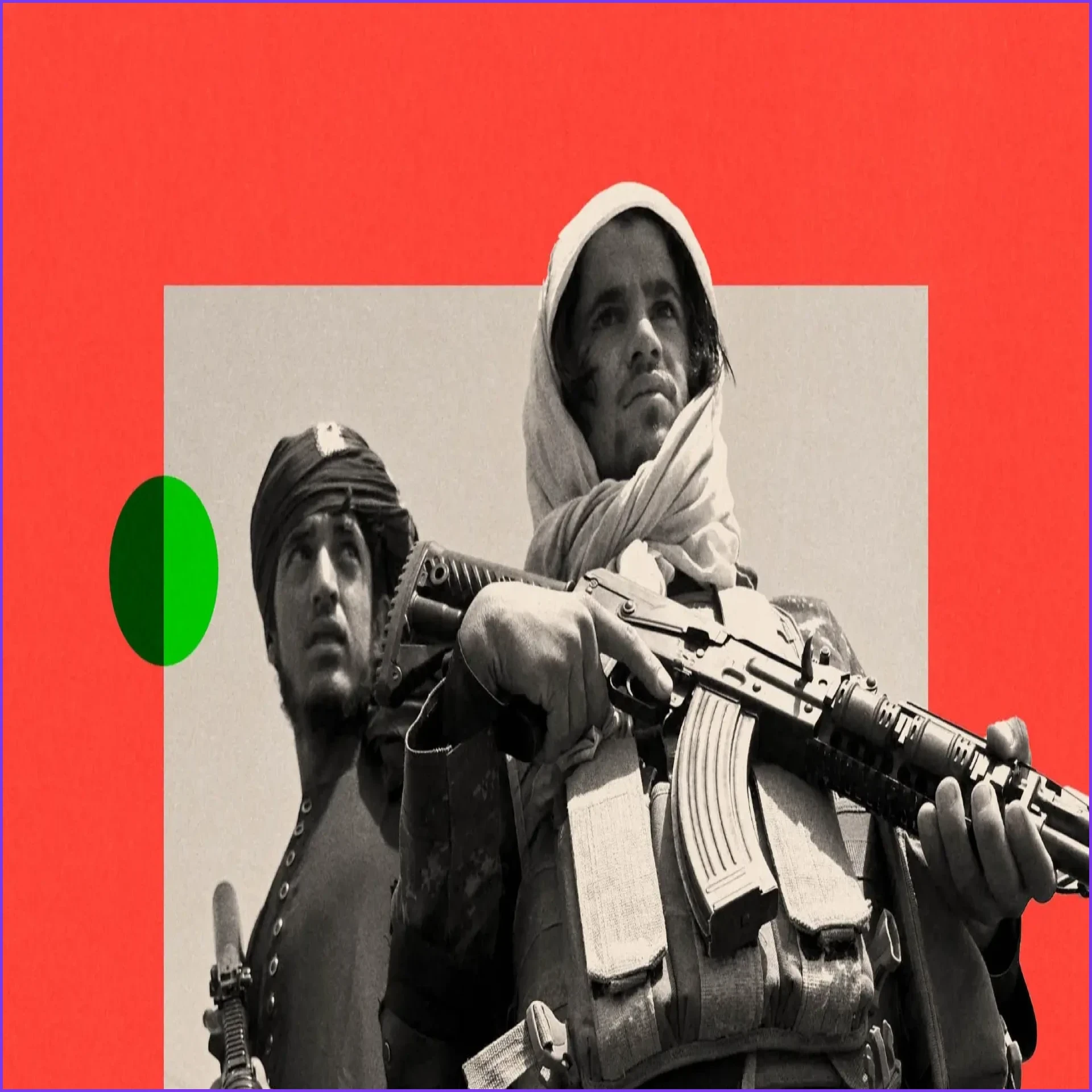
Few voices call for absolute isolation, not when the United Nations warns that 22 million Afghans—nearly half of the population—rely on some form of foreign assistance to help them survive. The country has been battered by multiple shocks: an agonising economic crisis, devastating natural disasters, clashes with neighbouring Pakistan, and the influx of millions of Afghans deported from countries near and far into this impoverished land. There is no avoiding the reality that the Taliban are in charge now. In the years since their fighters swept into Kabul on 15 August 2021, they have grown in confidence and consolidated control despite intermittent attacks by armed opposition groups based abroad, as well as Islamic State fighters.
The Taliban remain strangled by international sanctions linked to terrorism and human rights. Russia is the only country to formally recognise their rule, and they have not been allowed to take up what they see as their rightful seat at the UN in New York. However, formal diplomatic recognition is no longer the focal point. "There's no doubt the Taliban would like to be recognised at the UN but it's no longer as potent a bargaining chip as it was at the beginning," observers assess. Behind the soaring blast walls of the foreign ministry in Kabul, in the sprawling compound of manicured lawns and historic buildings, Taliban diplomats keep adding names and flags to the growing collection of Afghan embassies worldwide which are now under their control, rather than the last holdouts of the government they ousted. The current tally is more than 40.
"We need to come closer diplomatically rather than talking from a distance if we want to make progress in our relationship," says Zabihullah Mujahid, the main Taliban spokesman. This conversation takes place in Kandahar in southern Afghanistan, the real seat of power. This is where the Taliban's reclusive emir, Hibatullah Akhundzada, has been steadily building his political and military base and issuing hundreds of edicts, many of them focused on erasing women and girls from public life—what he portrays as an Islamic obligation to protect them. This five-year mark is widely seen as an inflection point. "An unstable and potentially dangerous equilibrium," is how the situation was described in closed-door remarks by a senior UN official at a recent international gathering.
Yet, Afghanistan has fallen far under the world's radar. Wars in Ukraine and the Middle East absorb international attention, and Europe's burning issue is how to stop so many Afghans fleeing towards their shores. It is a startling reversal. "It's extraordinary given the scale of Western effort from 2001-2021 how ignored Afghanistan is now," remarks a Western diplomat who recently served as an envoy to the country. They did not want to be named because they are still in the diplomatic service.