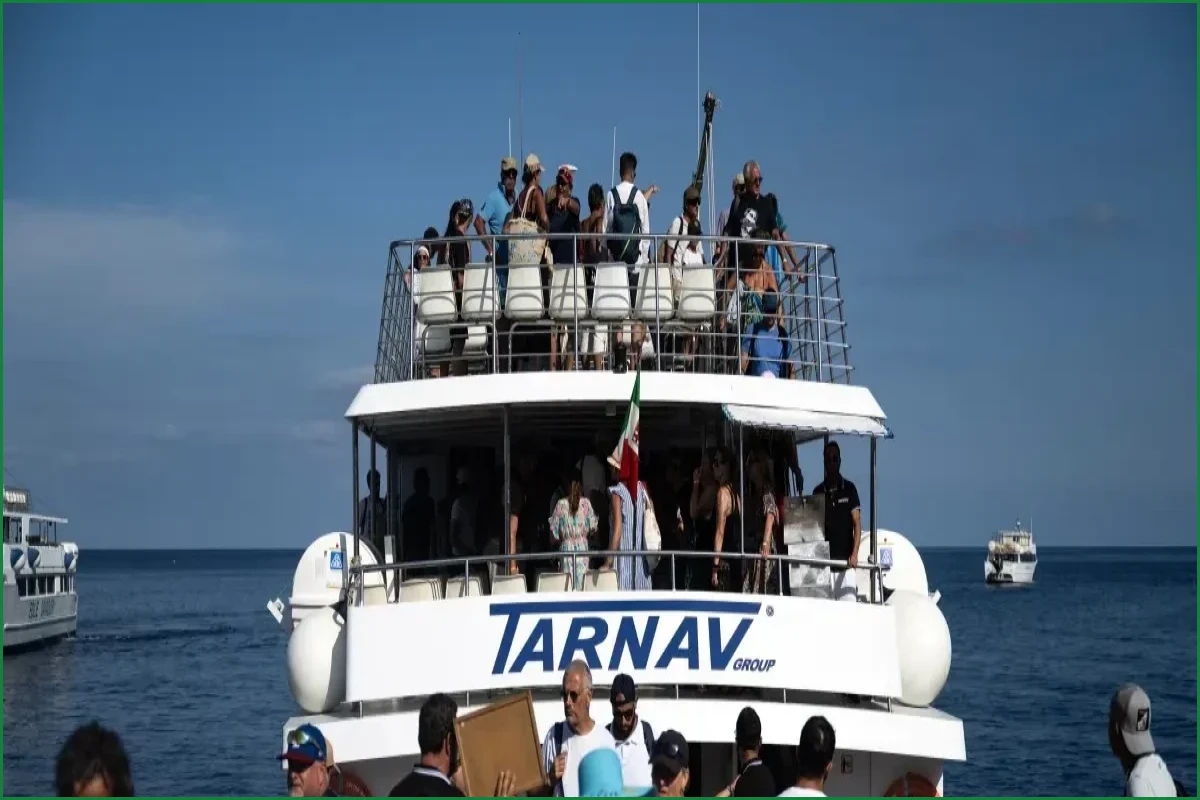
The residents of Italy's Aeolian Islands are currently embroiled in a heated debate over how to secure a stable supply of drinking water. The archipelago, which hosts only about 15,000 year-round inhabitants, faces a significant seasonal strain due to a massive influx of visitors. In 2024 alone, the islands recorded 146,000 tourist arrivals, placing immense pressure on existing resources.
Currently, the islands rely on a combination of water shipped in by boat and local desalination. On the island of Vulcano, a desalination plant managed by Sopes has provided autonomy for the local population. According to engineer Fabio Pupillo, the facility has consistently produced 300,000 cubic metres of drinking water annually for the past decade. The cost for this desalinated water is approximately two euros per cubic metre, whereas water transported by ship—a route organized by the defence ministry—costs roughly 14 euros per cubic metre.
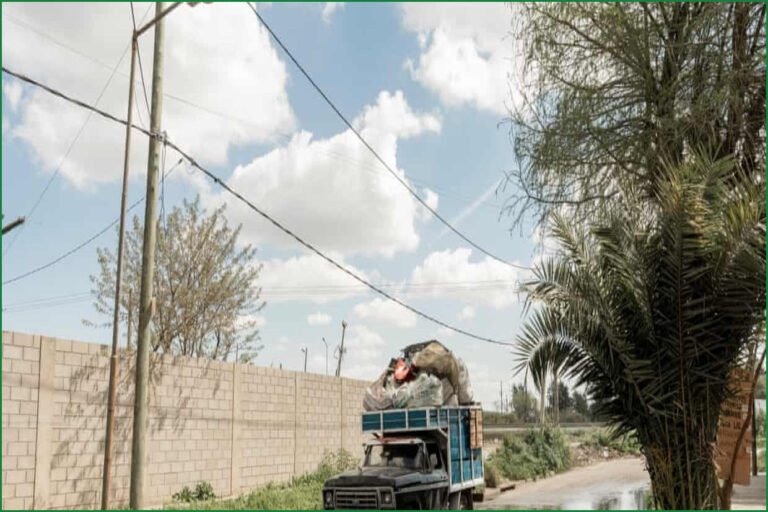
The situation is far more precarious on islands like Stromboli, which remains dependent on water deliveries by cistern ships. Restaurant owner Angelo Mirabito, 66, noted that poor weather conditions often prevent these ships from docking, leaving the island without a reliable supply. To address these vulnerabilities, the local municipality has proposed building four new desalination plants on the islands of Alicudi, Filicudi, Panarea, and Stromboli. However, the plan has met with significant resistance from local residents and environmental organizations.
Critics, including the environmental foundation Marevivo, have called for the suspension of the authorization procedure. They argue that the focus should instead be on alternative solutions, such as rainwater collection, water recycling, and better management of tourist demand. Giuseppe Amato, a campaigner for the environmental NGO Legambiente, acknowledged that while desalination is an appropriate response to hydrological crises, it must be planned with caution.
He questioned whether the proposed plant for Filicudi should be sized for the 250 permanent residents or to accommodate the maximum number of tourists during peak season.
Environmentalists remain concerned about the lack of data regarding the impact of these plants on the archipelago's fragile ecosystems. Meanwhile, local boat trip organizer Eugenio Vodini emphasized the cultural value of the resource, stating that while tourists may not appreciate the scarcity, residents view water as a precious commodity, describing it as "almost like gold." Italy currently ranks second in the European Union for desalination capacity, operating 341 plants that produce over 657,000 cubic metres of water daily, according to data from The European House — Ambrosetti.
READ ALSO: How drones are helping predict Sicily's volcanic eruptions
In a letter last month to the municipality of Lipari and the Sicily region, the environmental foundation Marevivo called the authorisation procedure for the desalination plants to be suspended.