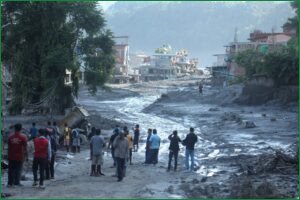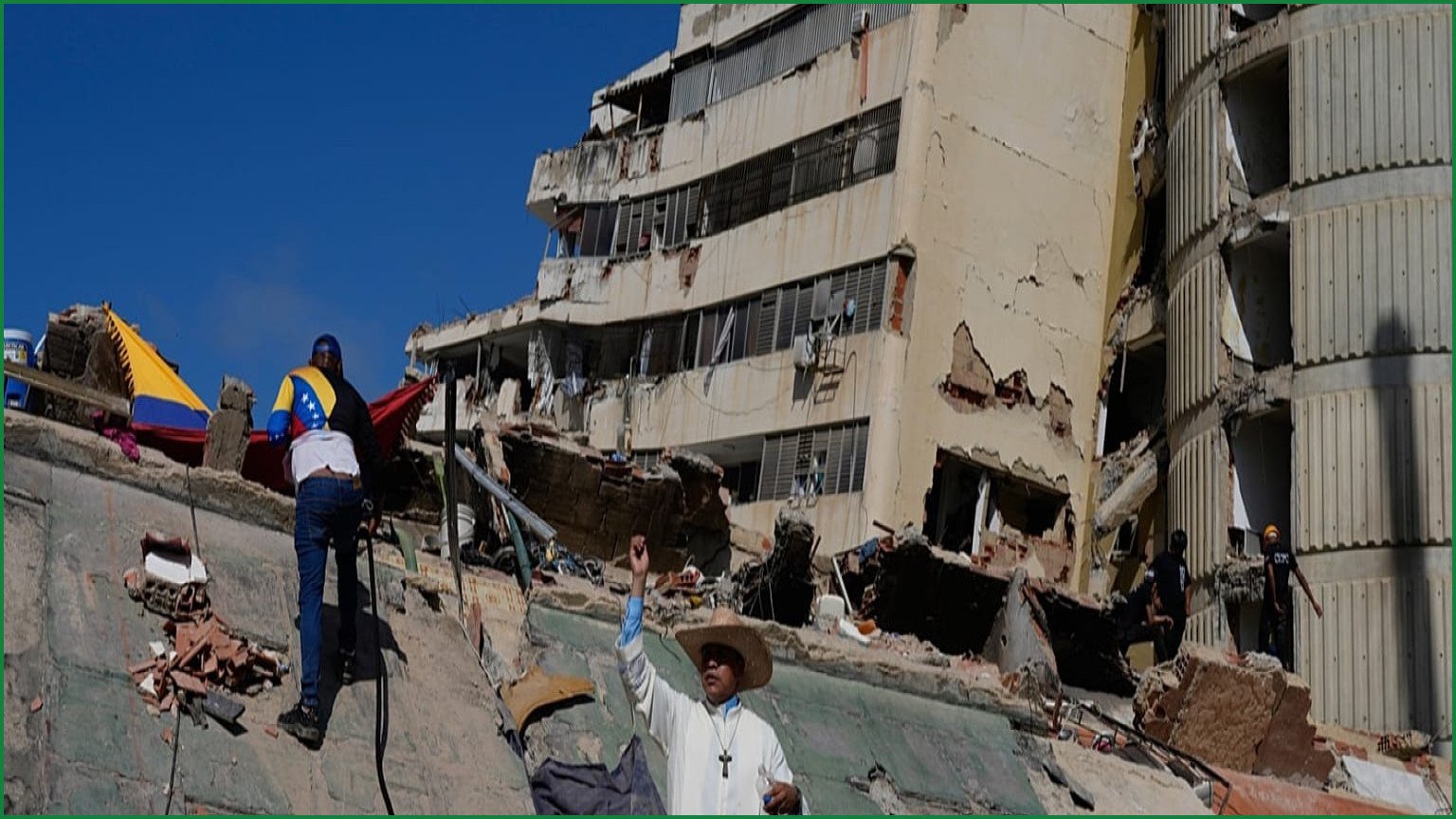
The death toll from two powerful earthquakes that struck Venezuela on 24 June has climbed to 5,069. Rescue crews, supported by international teams, continue to search through debris as the recovery effort persists weeks after the initial tremors. Interim President Delcy Rodríguez has characterized the disaster as the most brutal natural catastrophe in the history of the nation.
The seismic event consisted of a 7.2 magnitude earthquake followed by a 7.5 magnitude tremor just 39 seconds later. Since that day, the region has experienced more than 1,300 aftershocks. The northern coastal state of La Guaira sustained the most severe damage. Government assessments indicate that 856 buildings were damaged, including 190 that collapsed entirely, alongside widespread destruction of critical infrastructure such as roads and bridges.
The disaster has displaced over 20,000 people, many of whom are currently residing in temporary camps. Aid organizations have raised alarms regarding the conditions in these shelters, warning that limited access to sanitation and safe drinking water is heightening the risk of disease. To support reconstruction, Rodríguez stated that the government has secured $346 million (€302 million) in previously frozen International Monetary Fund resources. Additionally, the United States has contributed more than $300 million (€262 million) in humanitarian aid.
The international financial support follows a shift in diplomatic relations. Both the IMF and World Bank announced in April that they were resuming ties with Venezuela following the removal of Nicolás Maduro from power during a US military intervention in January. Relations with these institutions had been suspended since 2019.