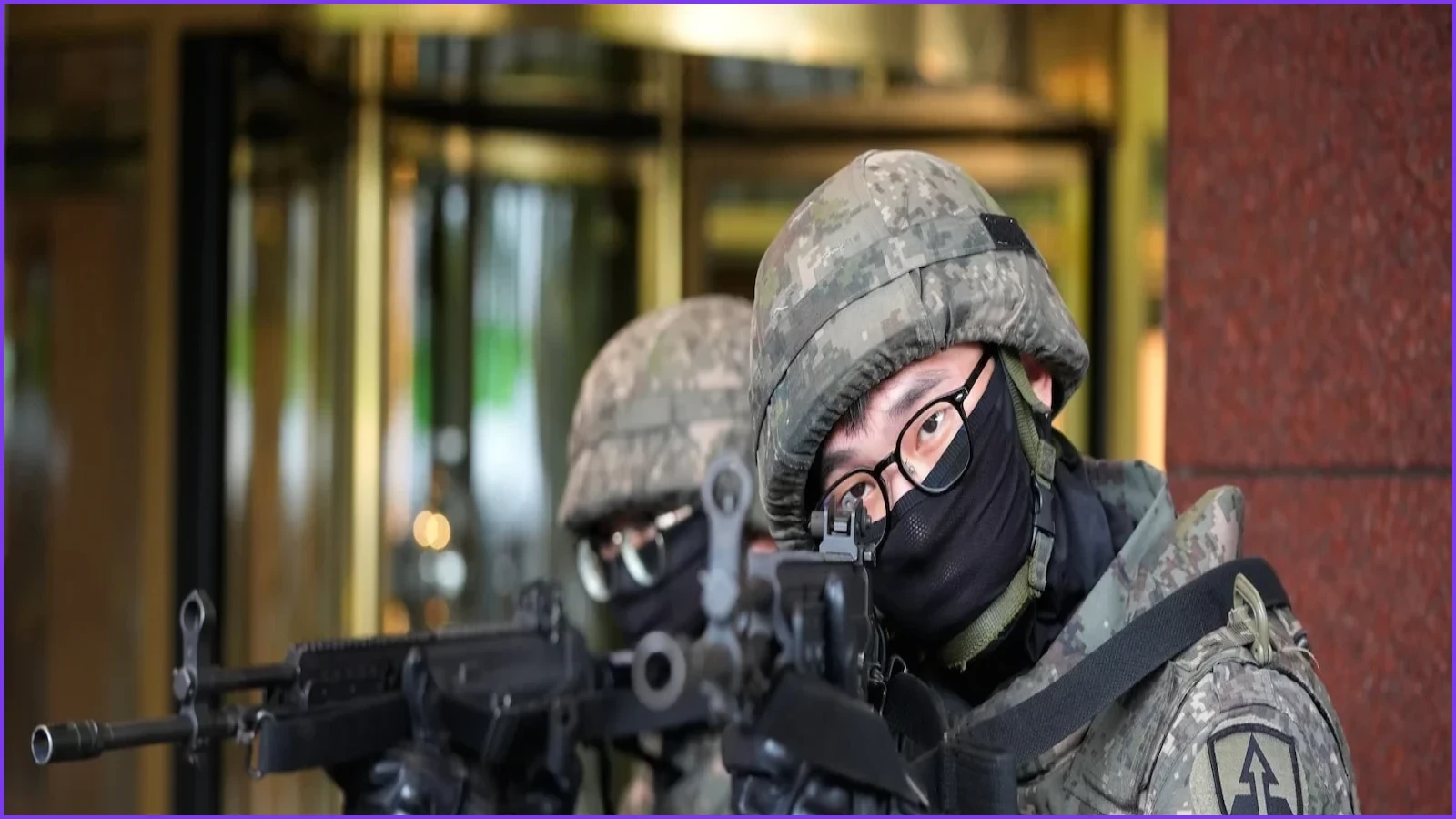
The United States and South Korean militaries are concluding their annual joint exercises six days earlier than originally scheduled. The move, taking place on Friday, was intended as a conciliatory gesture toward North Korea, although Pyongyang has indicated that the reduction in duration and size is insufficient to facilitate a return to diplomatic negotiations.
The decision followed an abrupt order from U.S. President Donald Trump, who instructed the Pentagon to significantly scale back the Ulchi Freedom Shield exercises just before they commenced on Monday. President Trump cited his personal relationship with North Korean leader Kim Jong Un and expressed frustration over South Korea’s refusal to support his administration regarding the war in Iran.
Kim Yo Jong, the sister of the North Korean leader and an influential figure in the regime, addressed the development on Wednesday. She dismissed the overture, stating that the "provocative, aggressive nature of the drills" would not be altered merely by reducing their scope. Following her statement, North Korea launched approximately 10 short-range ballistic missiles toward the sea on Thursday, appearing to act on its previous warnings that it views the joint exercises as a rehearsal for an invasion.
The U.S. Pacific Command issued a statement noting that the missile launches did not pose an immediate threat to the U.S. homeland or its regional allies, while reaffirming its commitment to their defense. The diplomatic landscape remains complicated, as hopes for a resumption of talks between Trump and Kim Jong Un—whose nuclear diplomacy stalled in 2019—have been dampened. Kim Jong Un has utilized the period of stalemate to modernize his nuclear and missile programs and has strengthened ties with Russia in the context of its war against Ukraine.
Analysts suggest that Kim Jong Un is unlikely to return to the negotiating table unless the U.S. abandons its demand for denuclearization as a precondition. Leif-Eric Easley, a professor at Ewha University in Seoul, noted that Pyongyang may be playing a long game, potentially seeking economic and reputational gains from Washington after the U.S. midterm elections. Meanwhile, Kim Dong-yub of the University of North Korean Studies remarked that Kim Yo Jong’s rhetoric suggests that personal ties between the leaders are insufficient to drive current relations.
Despite the tensions, Kim Yo Jong avoided standard harsh rhetoric and referred to the relationship between her brother and the U.S. President as "excellent," indicating that North Korea may be keeping the door open for future concessions, such as sanctions relief or international recognition as a nuclear state. While Trump claimed that Kim Jong Un responded to a request for conversation—a claim denied by Kim Yo Jong—the President recently told reporters he anticipates meeting with the North Korean leader this year. The early conclusion of the Ulchi Freedom Shield exercises has nonetheless raised concerns among some observers regarding the readiness of the U.S.-South Korean alliance.