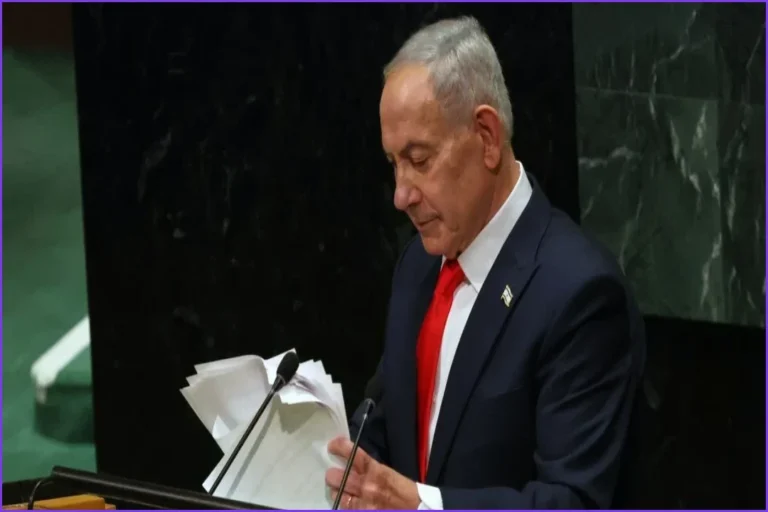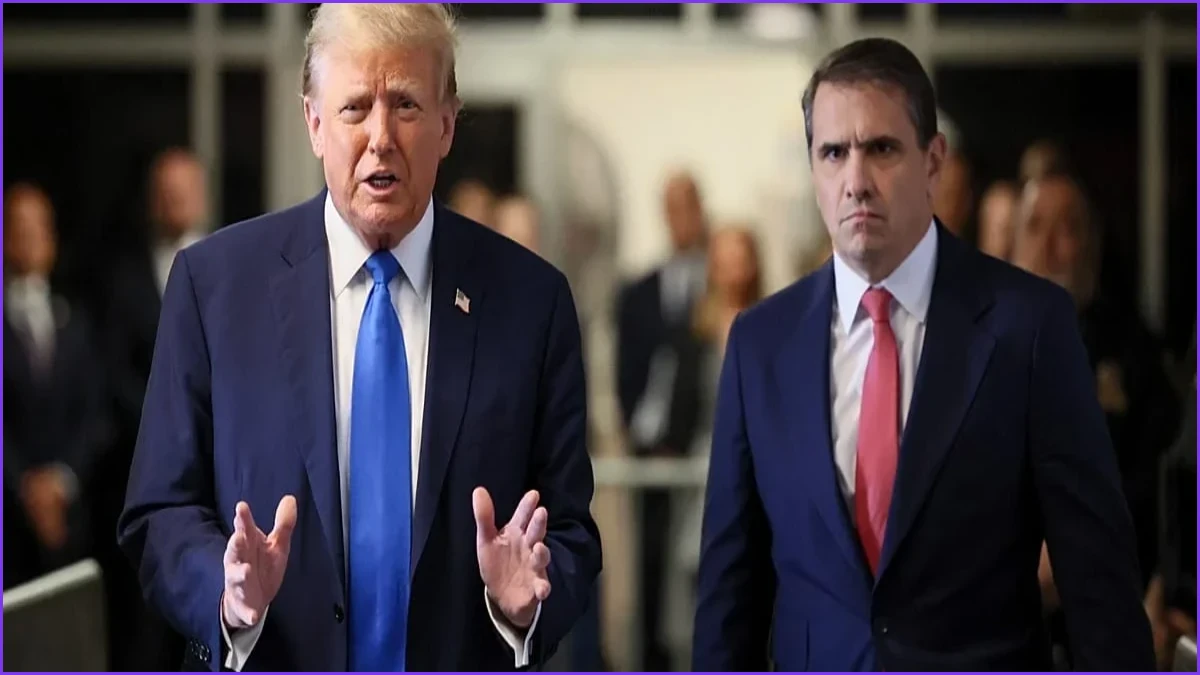
The US Senate voted 50 to 49 early Saturday to confirm Todd Blanche, President Donald Trump’s former personal attorney, as the nation's attorney general. This confirmation marks a significant milestone in President Trump’s efforts to exert greater control over the Department of Justice, an agency that has historically maintained a reputation for independence from the White House.
The narrow vote highlighted deep political divisions, with Republican senators Susan Collins and Lisa Murkowski breaking ranks to join Democrats in voting against the nomination.
Blanche, who has been serving as the top US law enforcement officer in an acting capacity since the departure of his predecessor Pam Bondi in April, expressed his reaction to the confirmation shortly after the vote. He stated that he was deeply honored by the trust and confidence President Trump has placed in him to lead the Department of Justice.
In a message posted on X, Blanche thanked the Senate for staying late to complete the confirmation process and extended his gratitude to the dedicated public servants of the Department of Justice for their daily work to uphold the law and ensure national safety.
The confirmation process was marked by a tumultuous legislative battle that underscored concerns from both sides of the aisle regarding the installation of a close Trump ally at the helm of the Justice Department. Democrats have been vocal in their opposition from the start, accusing the administration of attempting to transform the department into a political weapon.
Senator Dick Durbin, the ranking Democrat on the Senate Judiciary Committee, criticized the appointment on Tuesday, stating that the attorney general is supposed to be the people's lawyer.
Durbin argued that Blanche continues to operate as the president's personal lawyer, effectively treating the Justice Department like a private law firm serving only one client: the president.
Securing the necessary votes required Blanche to navigate significant internal Republican resistance. The primary points of contention involved two controversial proposals: an attempt to establish a $1.8 billion (€1.5bn) fund for individuals Trump labels as victims of politicized prosecutions—a group likely to include rioters who stormed the US Capitol on 6 January 2021—and an extraordinary proposal to grant Trump, his two eldest sons, and the Trump Organization immunity from tax audits.
Blanche ultimately managed to defuse this opposition over the weekend by issuing a written order to scrap the so-called "anti-weaponization fund." Furthermore, he stipulated that the agreement regarding audit immunity would apply only retroactively to past tax years, rather than extending to future filings.
Blanche’s background as a private attorney has been a central focus of the debate. Before entering government, he represented Trump in his New York trial concerning alleged "hush money" payments to adult film star Stormy Daniels. He was also a key member of the legal defense team in two federal cases brought by special counsel Jack Smith, which involved allegations of mishandling classified documents after leaving the White House and efforts to overturn the 2020 presidential election results.
Both of those federal cases were dropped following Trump’s victory in the 2024 election. Additionally, Blanche has faced scrutiny from victims of Jeffrey Epstein regarding his handling of the release of investigative files related to the convicted sex offender, who was a one-time close friend of the president.