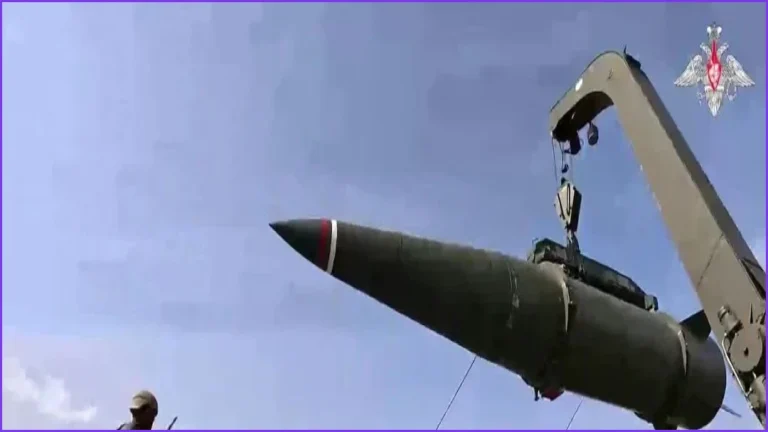
A fragile ceasefire between the United States and Iran has collapsed following a ballistic missile assault launched by Tehran on July 28. American forces stationed in the Middle East were forced to intercept the incoming projectiles within minutes of the surprise attack, which threatened to reignite a conflict that President Donald Trump had been attempting to de-escalate through months of diplomatic negotiations.
In a sharp response to the escalation, President Trump vowed to retaliate, telling a Fox News correspondent that the U.S. would "beat the f—— s— out of them" and that they would be "hitting them hard." This rhetoric aligns with a long-standing, though controversial, negotiating tactic where the President threatens civilian infrastructure, such as power plants and bridges, to pressure adversaries.
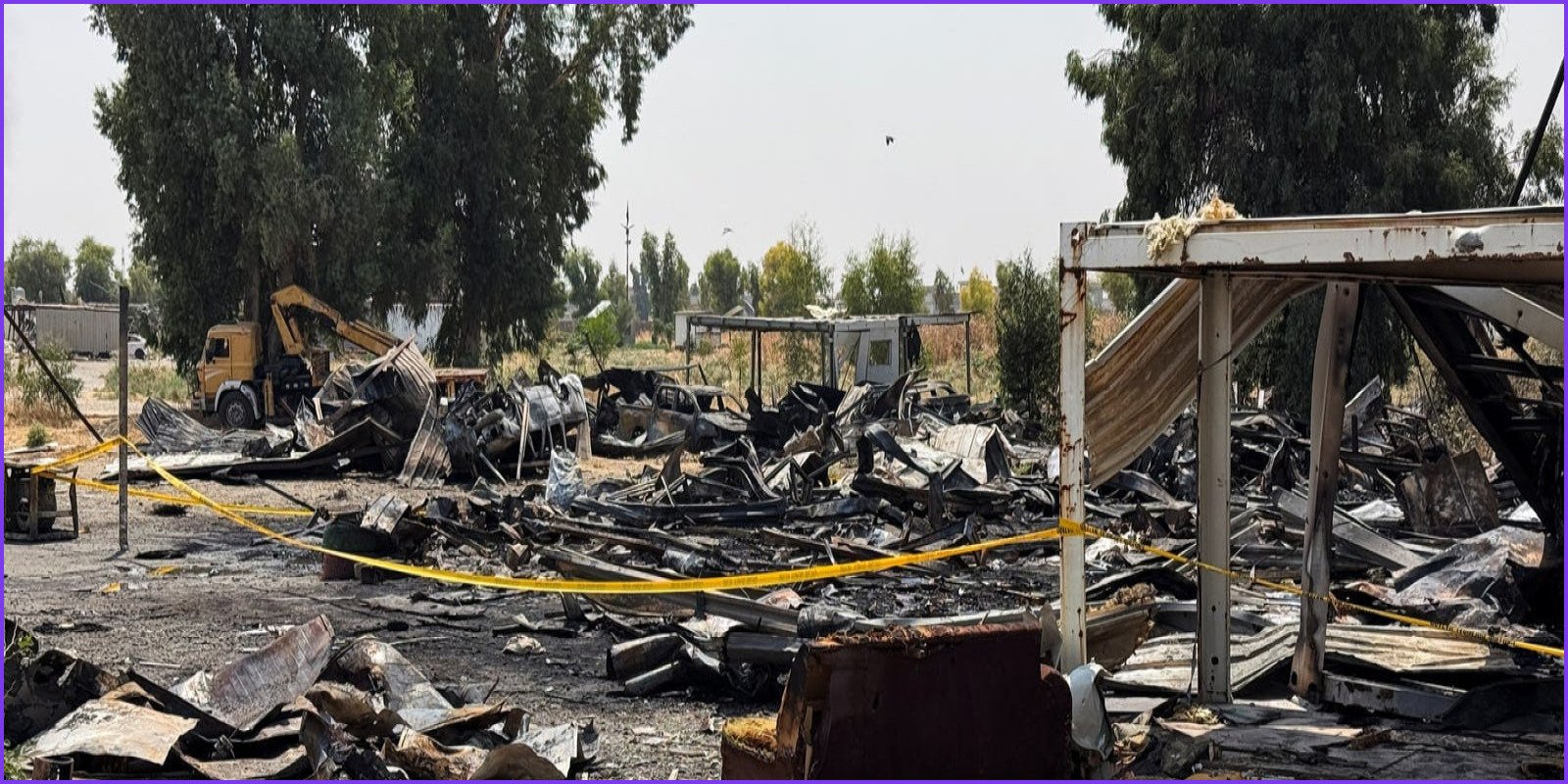
On the evening of July 28 and continuing into July 29, the U.S. Central Command coordinated with Saudi Arabia to launch joint strikes against Iran-aligned militants in Iraq. According to the Saudi Ministry of Defense, these strikes targeted groups responsible for drone attacks on American forces and Saudi energy infrastructure. This military action marks the first time Saudi Arabia has entered the conflict directly, responding to recent attacks on its own oil and gas facilities.
Military officials confirmed that the coordinated operation, involving Saudi jets, targeted "Iran-aligned terrorists" in eastern Iraq. Central Command stated that the "unwarranted attacks against U.S. forces were not successful" and warned that the Islamic Revolutionary Guard Corps and its proxies must cease their aggression to avoid further military responses.
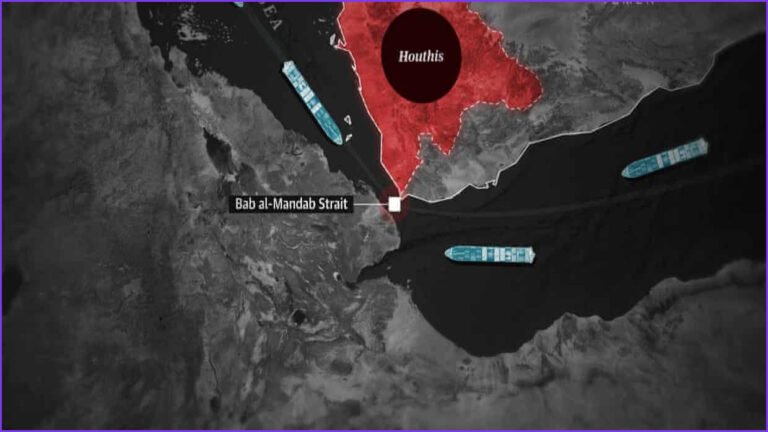
The current volatility follows a breakdown of a weekslong ceasefire that occurred earlier in July, triggered when the U.S. resumed bombing operations in response to Iranian attacks on commercial vessels in the Strait of Hormuz. That renewed fighting has already resulted in the deaths of four Americans, bringing the total number of U.S. troops killed in the conflict to 20. While the U.S. and Iran have frequently returned to the negotiating table following past threats of force, the current intensity of the strikes suggests a significant escalation in regional tensions.