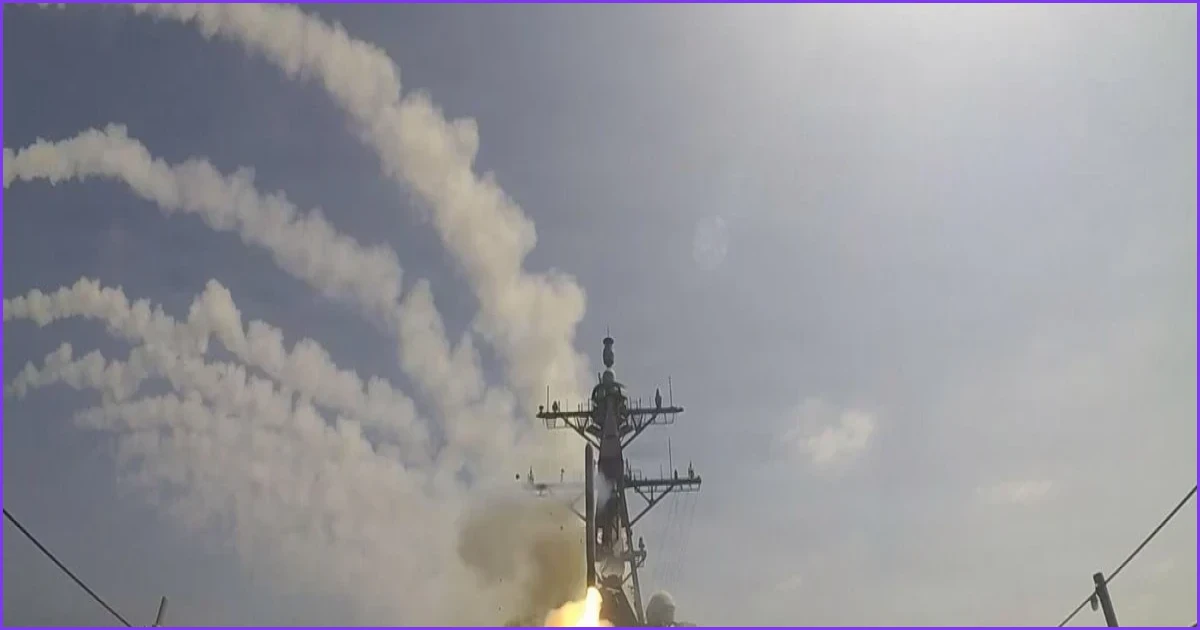
The U.S. and Saudi militaries carried out airstrikes late Tuesday, July 28, 2026, at 10:05 PM EDT targeting Iranian-backed groups in Iraq, U.S. Central Command (CENTCOM) announced. The operation was a response to what CENTCOM described as Iran and its proxies allegedly targeting American forces and Saudi energy sites over the preceding three days.
CENTCOM stated that the U.S.-Saudi operation was aimed at "terrorist logistics and weapons sites across eastern Iraq." The Saudi Ministry of Defense confirmed its participation, asserting that it "conducted precise and targeted strikes" in exercise of its right to self-defense.
According to CENTCOM, the strikes were a direct reaction to more than 30 attempted drone attacks on U.S. forces and Saudi energy facilities within the last three days. The command characterized the attacks on U.S. assets as unsuccessful. Saudi Arabia reported intercepting drones launched from Iraq that had targeted petroleum facilities in Riyadh and its eastern regions.
While the involved countries did not explicitly name the targeted groups, Iran supports several Shiite militia factions in Iraq that have previously launched rockets at U.S. forces. Some of these groups, such as Kata'ib Hezbollah, are designated as foreign terrorist organizations by the United States.
CENTCOM alleged that the recent attacks were directed by Iran's Islamic Revolutionary Guard Corps (IRGC). "The IRGC and its terrorist proxies must cease these attacks to avoid further U.S. military response," CENTCOM stated in its release.
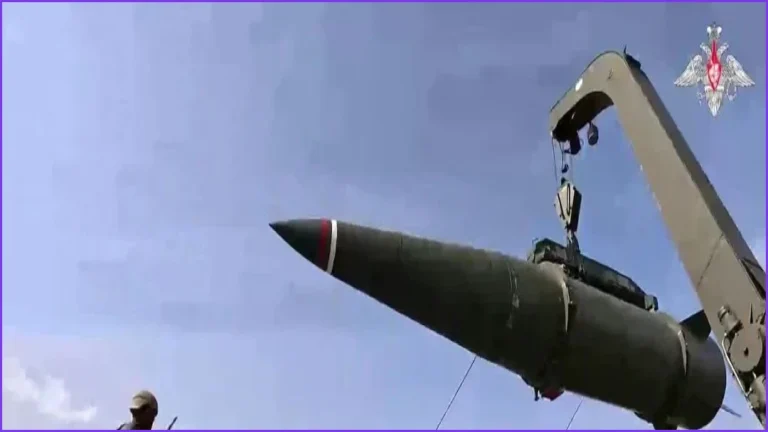
Earlier on Tuesday, CENTCOM reported that Iran's Revolutionary Guards had mounted an "attempted surprise attack," launching ballistic missiles toward U.S. forces in the region, all of which were intercepted.
These strikes occur as the U.S. has been holding back from directly attacking Iran, following nearly two weeks of nightly strikes on Iranian targets that concluded on Thursday night. President Trump has expressed a desire to allow diplomacy a chance, making the resumption of strikes on Iran uncertain.
The situation remains complex, with Iran having stated it is not currently seeking direct talks with the United States. Key disagreements persist, including Iran's efforts to control the Strait of Hormuz and the U.S. demand for Iran to abandon its uranium enrichment program.
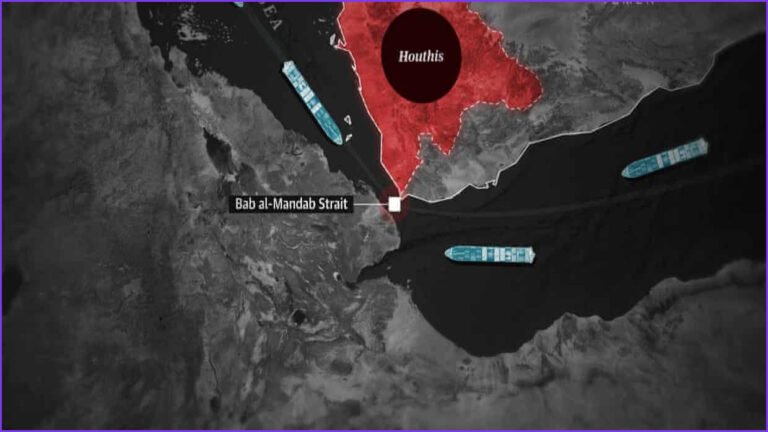
Meanwhile, the Houthis in Yemen, another Iran-backed militant group, have been firing at Saudi tankers in the Red Sea, posing a threat to a vital waterway along Saudi Arabia's western coast, while Iranian actions potentially threaten the Strait of Hormuz on the opposite side of the Arabian Peninsula.