The United States has suspended military strikes against Iran for a second consecutive night as ongoing diplomatic negotiations seek to avert a broader war. President Donald Trump is currently evaluating both military and diplomatic pathways in the nearly five-month-old conflict, with Israeli Prime Minister Benjamin Netanyahu expected to arrive at the White House this Tuesday. Netanyahu, who has been a vocal critic of the current talks between Washington and Iranian leadership, faces significant domestic pressure to demonstrate success in his military campaigns against Iran and Hezbollah in Lebanon ahead of October elections.
Tehran officially stated on Sunday that it has also paused its own retaliatory operations. Army spokesperson Mohammad Akraminia confirmed that while US attacks had continued until two nights ago, the recent lull has led Iran to halt its own counter-strikes. This pause follows nearly two weeks of intense military activity and the collapse of a previous ceasefire attempt. The current tensions are largely driven by the closure of the Strait of Hormuz, a critical waterway responsible for approximately 20% of the world's oil and gas supply, and strikes against US forces in the region.
Diplomatic efforts are intensifying, with officials from Iran and Oman reportedly engaged in discussions regarding the reopening of the vital maritime route. An Iranian official confirmed that back-channel communications with US negotiators are ongoing in an effort to prevent further conflict, though Tehran continues to demand payment and control over vessel passage through the strait. Iranian foreign ministry spokesperson Esmail Baghaei emphasized that mediators are working to prevent further escalation, even as other Iranian military officials criticized the US for what they described as "strategic decision-making fatigue."
Behind the scenes, President Trump has been cautioned by senior administration figures, including Vice-President JD Vance and the chair of the joint chiefs of staff, Dan Caine, regarding the risks of a sustained military campaign. During an Oval Office meeting on Friday, Caine warned that dwindling munitions stockpiles—specifically Patriot missile interceptors and Tomahawk cruise missiles—could jeopardize long-term operations. Despite his previous rhetoric about the ability to "knock out everything they have," Trump ordered the military to hold off on new strikes. The president told reporters on Friday that he believes the Iranians are becoming more serious as talks progress, noting that while the US is "locked and loaded," the focus remains on negotiation.
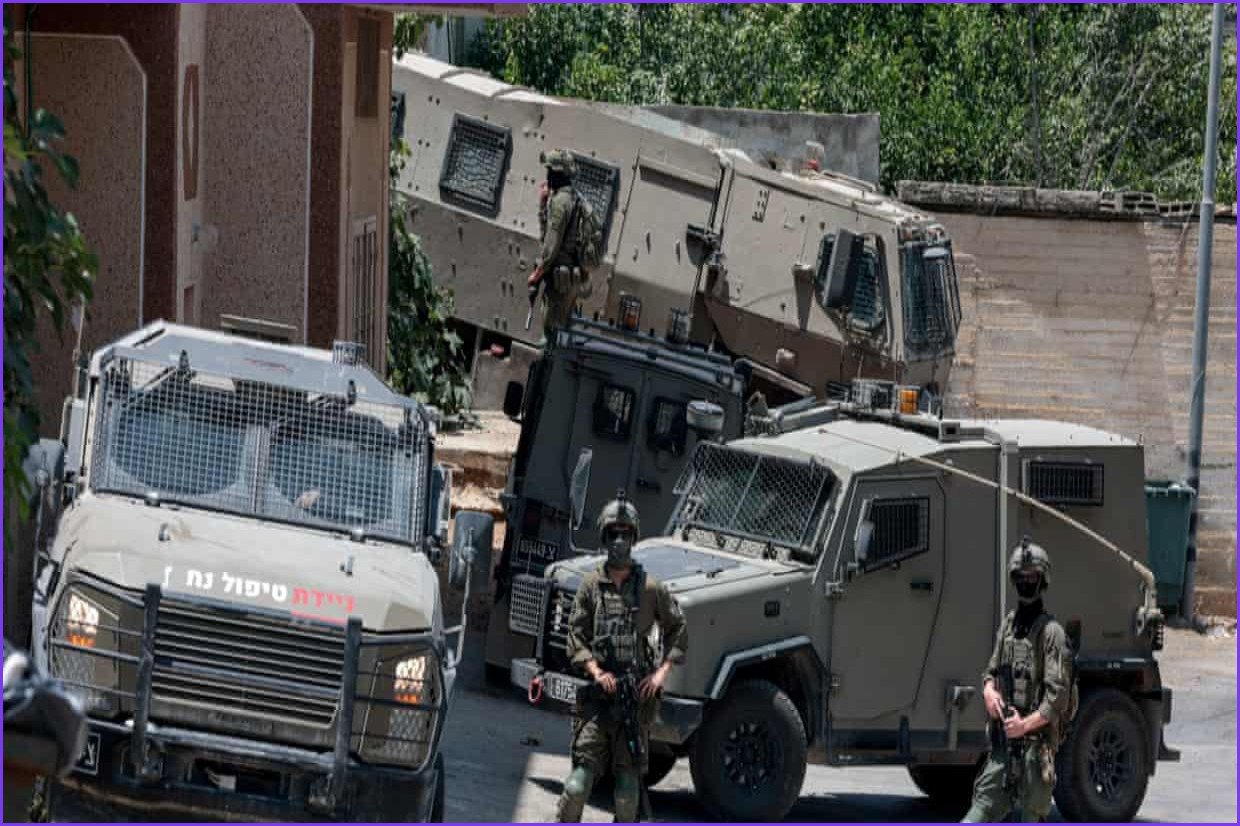
Meanwhile, Netanyahu is preparing for a security cabinet meeting prior to his Washington trip. The prime minister previously lobbied for joint strikes against Iran in February and continues to urge US negotiators to maintain a firm stance on Iran's nuclear and ballistic missile programs. His upcoming visit occurs against a backdrop of severe violence in the West Bank, following an extensive military operation launched after the deaths of four Palestinians and two Israelis during an incident involving armed settlers last Thursday.