The United States military has executed a second consecutive day of strikes against targets in Iran. This escalation follows President Donald Trump’s declaration that an interim agreement intended to end the war is now officially over. The latest military action comes in the wake of the targeting of three tankers in the Strait of Hormuz on Tuesday.
US Central Command confirmed the operation, stating that the strikes were directed by the Commander in Chief to further degrade Iran’s capability to threaten freedom of navigation within the Strait of Hormuz. Wednesday night’s strikes were expected to be bigger than those carried in the first round, an unnamed US official told Reuters.
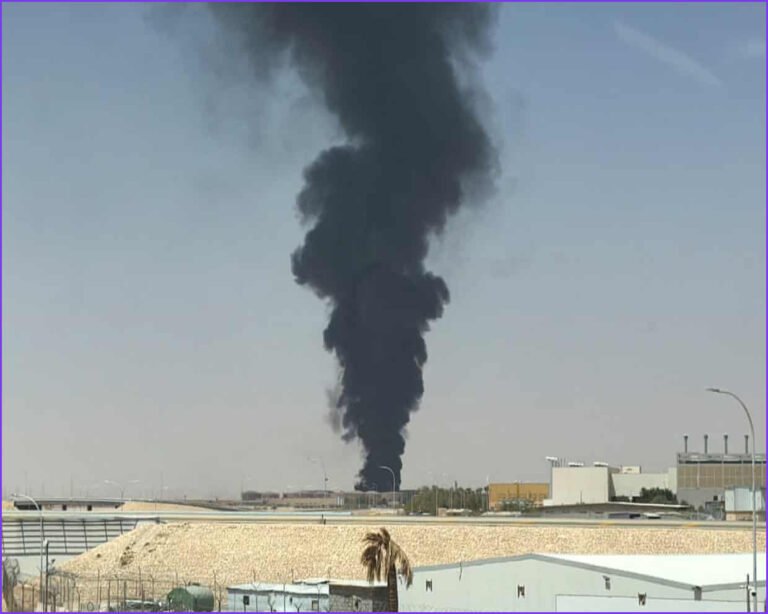
Iranian state media reported explosions across several locations, including the port city of Bandar Abbas, the coastal city of Sirik, and the southwestern Bushehr province, which houses the nation’s nuclear power plant complex. Additionally, further explosions were reported on Abu Musa Island, one of three islands claimed by the United Arab Emirates that are central to Iran’s control over the Strait of Hormuz. Iran’s Mehr news agency noted that the strikes in Bushehr did not damage the nuclear power plant.
President Trump justified the military response on Truth Social, describing it as retribution for the bombing of ships. He warned that if such actions continue, the situation would escalate significantly. While speaking on the sidelines of a summit, Trump accused Iran of behaving poorly by launching drones and missiles at commercial vessels, adding that the US military might simply finish the job.
The international economic impact was immediate, with global stock markets falling and Brent crude oil prices rising by more than 5% to nearly $80 per barrel. Political criticism has also emerged, with US Senator Bernie Sanders arguing that restarting the war will not strengthen America, but instead waste taxpayer dollars and cost lives. He further criticized the administration for declaring the ceasefire over after less than a month.
Meanwhile, Iranian officials have signaled defiance. Its parliament speaker, Mohammad Bagher Ghalibaf, a key negotiator in talks over a permanent end to the war, wrote on X: “The era of bullying and extortion is over. It leads nowhere. We don’t fold.” These developments coincide with a period of national mourning in Iran as the country prepares to bury Supreme Leader Ayatollah Ali Khamenei in Mashhad, following his death on the first day of the US-Israeli strikes.
Addressing questions regarding his own security, President Trump dismissed concerns about threats against Air Force One during his return from the Nato summit, asserting that he faces constant threats. In the initial round of strikes, the US targeted various military sites and port facilities in response to earlier attacks on merchant vessels off the coast of Oman.
“Anything that happens is going to happen very fast,” Trump said, though he also suggested the US military might “just finish the job”.
The supreme leader’s burial follows a multi-day funeral ceremony that attracted millions of mourners across various cities in both Iran and Iraq.