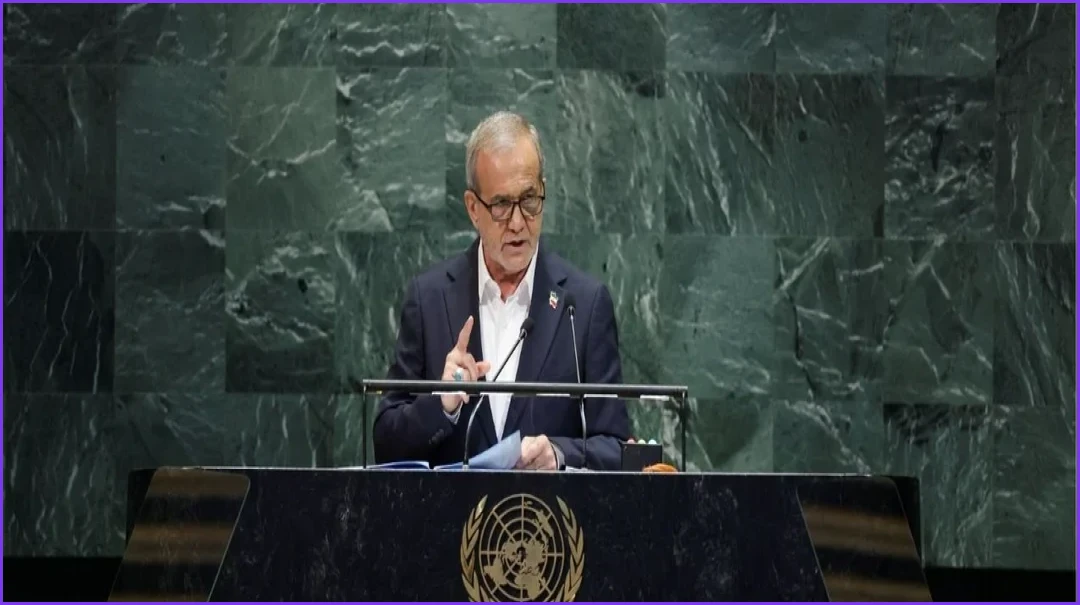
The United States government has confirmed that it will permit a core delegation of Iranian officials to attend the upcoming United Nations General Assembly in New York. A State Department spokesperson stated on Thursday that this decision aligns with the United States' obligations as the host country for the international body, despite the ongoing seven-month conflict and intermittent negotiations between Washington and Tehran.
According to a source familiar with the administration's decision, the visas will be granted to key officials, including Iranian President Masoud Pezeshkian and Foreign Minister Abbas Araghchi. However, the delegation will face significant constraints. The State Department noted that the group will be subject to travel restrictions and prohibitions on the purchase of luxury or other goods, consistent with previous policies. The delegation size is also smaller than in previous years. Historically, the US has restricted Iranian representatives to travel only between the United Nations headquarters, the Iranian mission, the ambassador’s residence, and John F. Kennedy Airport.
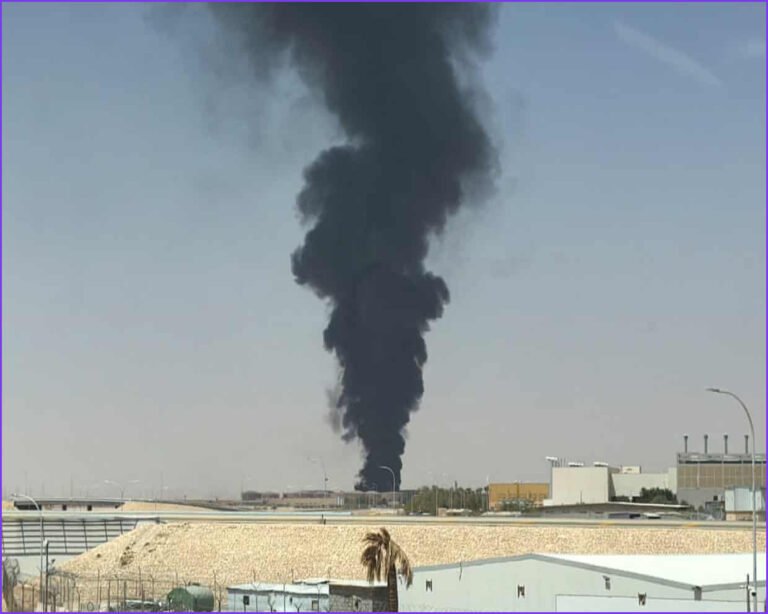
The conflict between the two nations began on February 28, when the US and Israel launched attacks on Iran. Tehran responded with strikes against Israel and Gulf states that host American military bases. The Iranian foreign ministry did not immediately provide a comment regarding the visa announcement.
While the US is fulfilling its obligations under the 1947 UN "headquarters agreement" for the Iranian delegation, it is maintaining a different stance toward Palestinian officials. The Trump administration confirmed it would deny entry to Palestinian representatives, extending a ban that has been in place since last year. Washington cited actions taken to "internationalise the Israeli-Palestinian conflict," including the pursuit of cases against Israel at international tribunals, as the reason for the denial. Palestinian President Mahmoud Abbas was among those denied a visa.
In response to the US move, the UN General Assembly voted overwhelmingly on Thursday, 152 to three, to allow President Abbas to appear virtually at the meeting. The Palestinian foreign ministry issued a statement calling the US visa denial an "unjustified measure." The ministry added that the decision "runs counter to efforts to rebuild trust, develop Palestinian–US relations, and create the necessary political climate for implementing the two-state solution and achieving peace and stability."