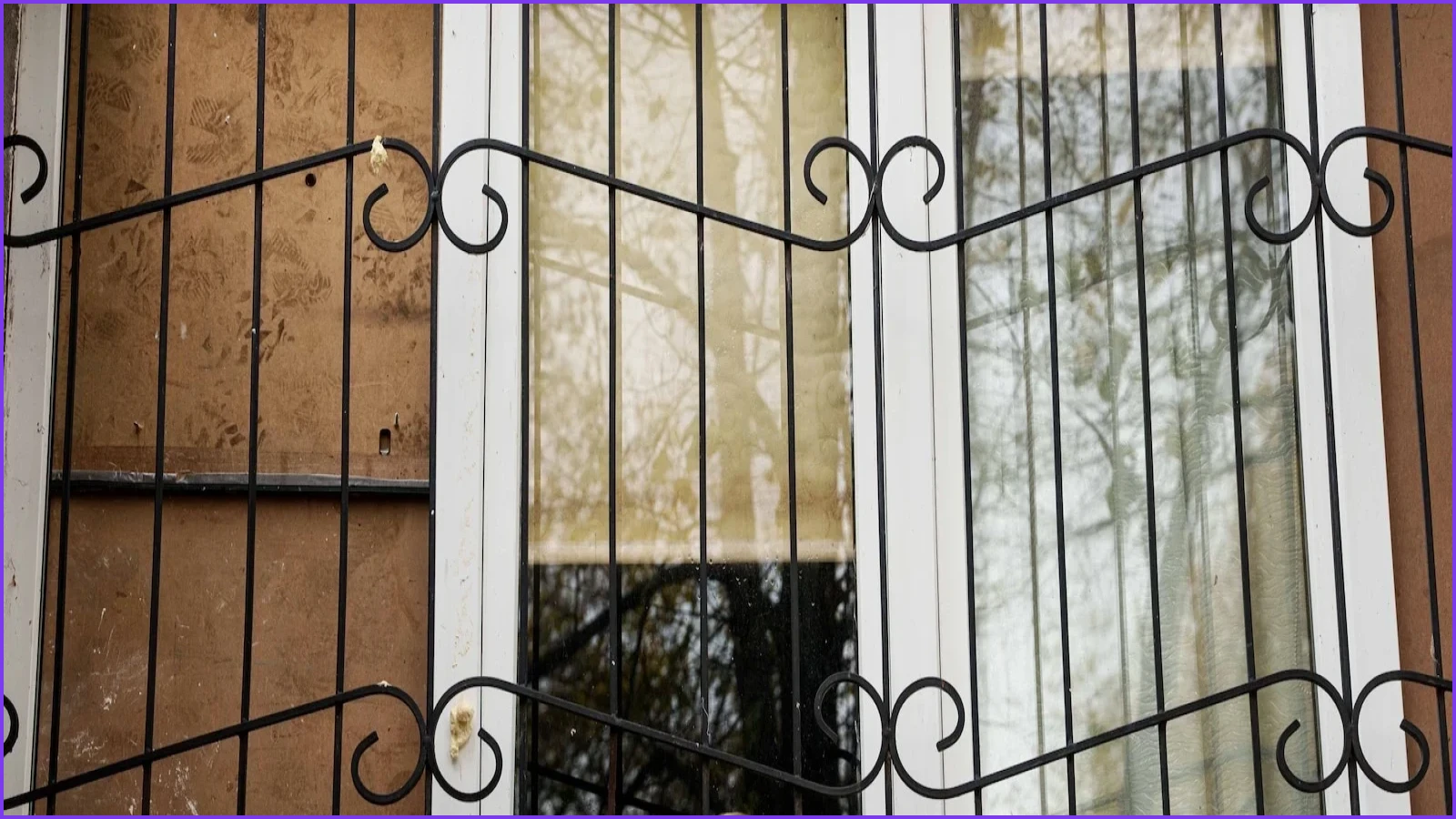
For residents like Oleksandra Horban, the war in Ukraine is measured in the persistent, dangerous presence of broken glass. Weeks after a missile struck her apartment building in Kyiv, she continues to find microscopic shards in her 2-year-old son’s plush toys, in their bedding, and on the floors of her home. Outside, the scene is one of devastation, with mangled window frames piled among debris and autumn leaves. Horban describes the exhausting cycle of cleaning: even after vacuuming and washing the floors multiple times, the glass remains, a daily reminder of the attack that shattered the facade of her Soviet-era apartment block.
As winter approaches, this struggle has become a widespread crisis across Ukraine. With Russian missile and drone attacks continuing to target civilian infrastructure, the demand for replacement windows has skyrocketed, while the supply remains severely limited. Last winter, temperatures in the capital dropped as low as minus 20 degrees Celsius (minus 4 degrees Fahrenheit), leaving residents in damaged buildings vulnerable to the freezing cold, dampness, and mold. This problem is particularly acute in low-income districts near industrial zones, where the financial burden of repairs is often insurmountable.
The economic impact of housing damage is immense. According to the World Bank, approximately 3 million housing units had been destroyed or badly damaged by the end of last year, contributing an estimated $900 billion to the nation's total reconstruction needs. For individual families, the costs are staggering. New windows for Horban’s apartment would cost roughly $1,700, a sum more than three times the average salary in Ukraine. While government compensation is available, the process can take between three and four months, a delay many cannot afford as the freezing weather sets in.
The bottleneck in the repair process is not a lack of materials, but a severe shortage of skilled installers. Mykhailo Orlenko, executive director of the Association of Ukrainian Manufacturers of Transparent Structures, explains that many industry specialists are not exempt from military service, leading to a significant loss of labor. While factories can produce new windows in about 10 working days, finding a crew to install them often takes much longer. Consequently, installation costs have at least doubled over the past year. Oleksandr, a 42-year-old installer who has worked in the industry for 25 years, said power outages add to the challenges.
Installers face their own set of challenges, including frequent power outages that render elevators useless. One installer, Oleksandr, described the physically grueling nature of the work. On a recent job, his team had to carry heavy window and balcony door materials up to the fourth floor by hand because the elevators were not functioning. That was 18 trips up and down the stairs, carrying heavy loads. Despite these obstacles, the industry is working to address the labor crisis. In March, a vocational college in Kyiv opened a facility funded by the European Union, where 26 students have begun a three-year program to train as professional window and facade installers. The curriculum was developed after industry groups successfully lobbied the government to recognize the trade, allowing for better access to grants and structured training.
For families like the Horbans, the wait for repairs is compounded by other hardships, including a lack of gas and a leaking roof. Her young son, Viacheslav, has become deeply affected by the environment, often asking his mother if more “bam bam”—his term for explosions—is coming. Reflecting on their daily struggle, Horban stated, “This is not life, this is surviving. This is dragging out an existence, not a life.” As government planners estimate that the total reconstruction of Ukraine’s infrastructure will take at least a decade, the immediate challenge of keeping the winter cold at bay remains a daunting priority for thousands of residents.
Pieces of glass were mixed with autumn leaves on the muddy ground.“Even now we still find glass,” Horban said.
A missile blast in October damaged a vertical section of apartments and shattered hundreds of facade windows.