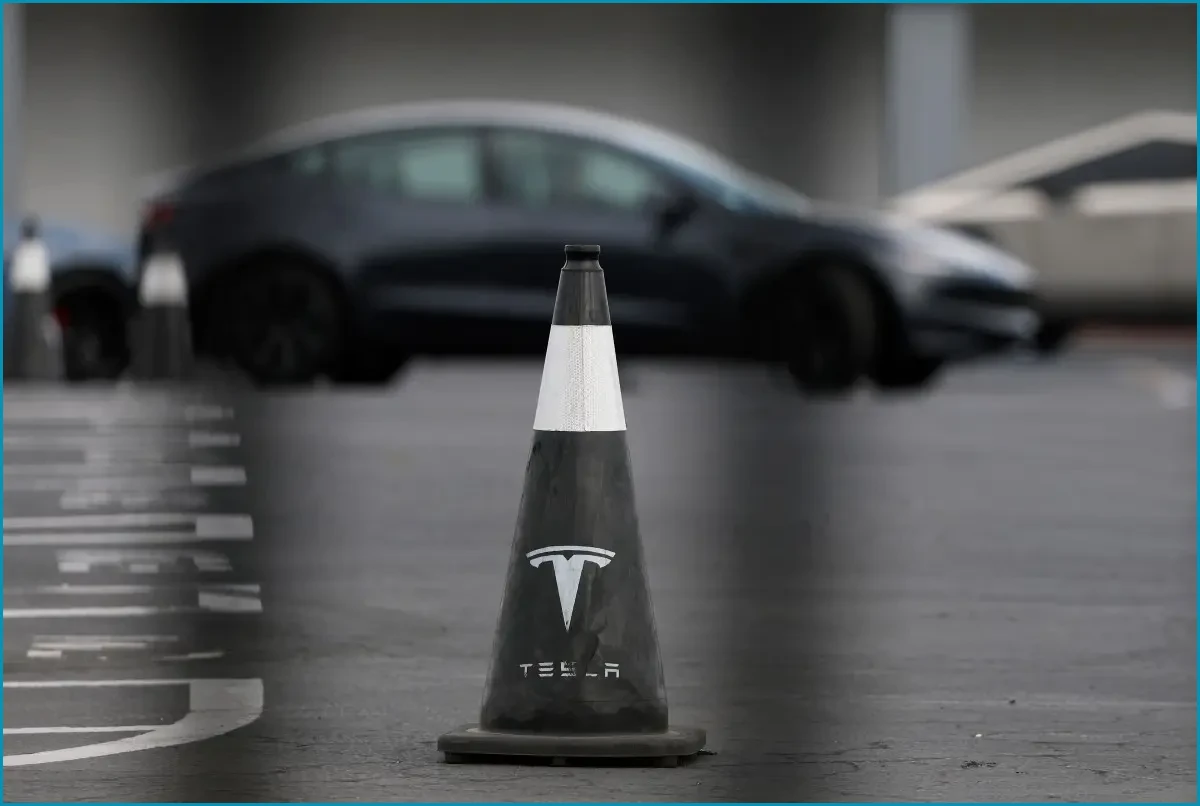
Italy has officially granted provisional approval to the Tesla Assisted Driving system. This decision, announced on Friday by Italian Transport Minister Matteo Salvini, follows an in-depth technical review regarding the system's feasibility. The approval comes ahead of a final, broader decision expected next year at the European level concerning the rollout of the technology across the continent.
Tesla uses the branding "Tesla Assisted Driving" within Europe for its Full Self-Driving (Supervised) feature. This naming convention was adopted after European regulators raised concerns that the term "self-driving"—which the company utilizes in the United States—could be misleading to consumers. It is important to note that this software is distinct from Level 3 technology, which allows drivers to cede most driving functions to the vehicle under specific conditions, often referred to as "hands-off" driving.
The authorization in Italy follows similar moves by other European governments, including the Netherlands, Belgium, Denmark, Finland, Estonia, Lithuania, and Slovakia. However, the technology continues to face hurdles in other major markets. France is currently testing the system, with its transport minister having warned in early September that adjustments would be required to ensure compliance with European and international regulations. A primary point of contention under these rules is that driver-assistance systems must not be capable of exceeding the authorized speed limit, a condition that Tesla's current system can trigger in certain scenarios. Germany, despite its general openness to automated driving technologies, has also withheld approval for the software.
The system is already operational in millions of vehicles across North America, Australia, New Zealand, and South Korea. Meanwhile, Tesla CEO Elon Musk has faced persistent criticism and multiple lawsuits regarding the accuracy of claims made about the self-driving capabilities of his company's vehicles.