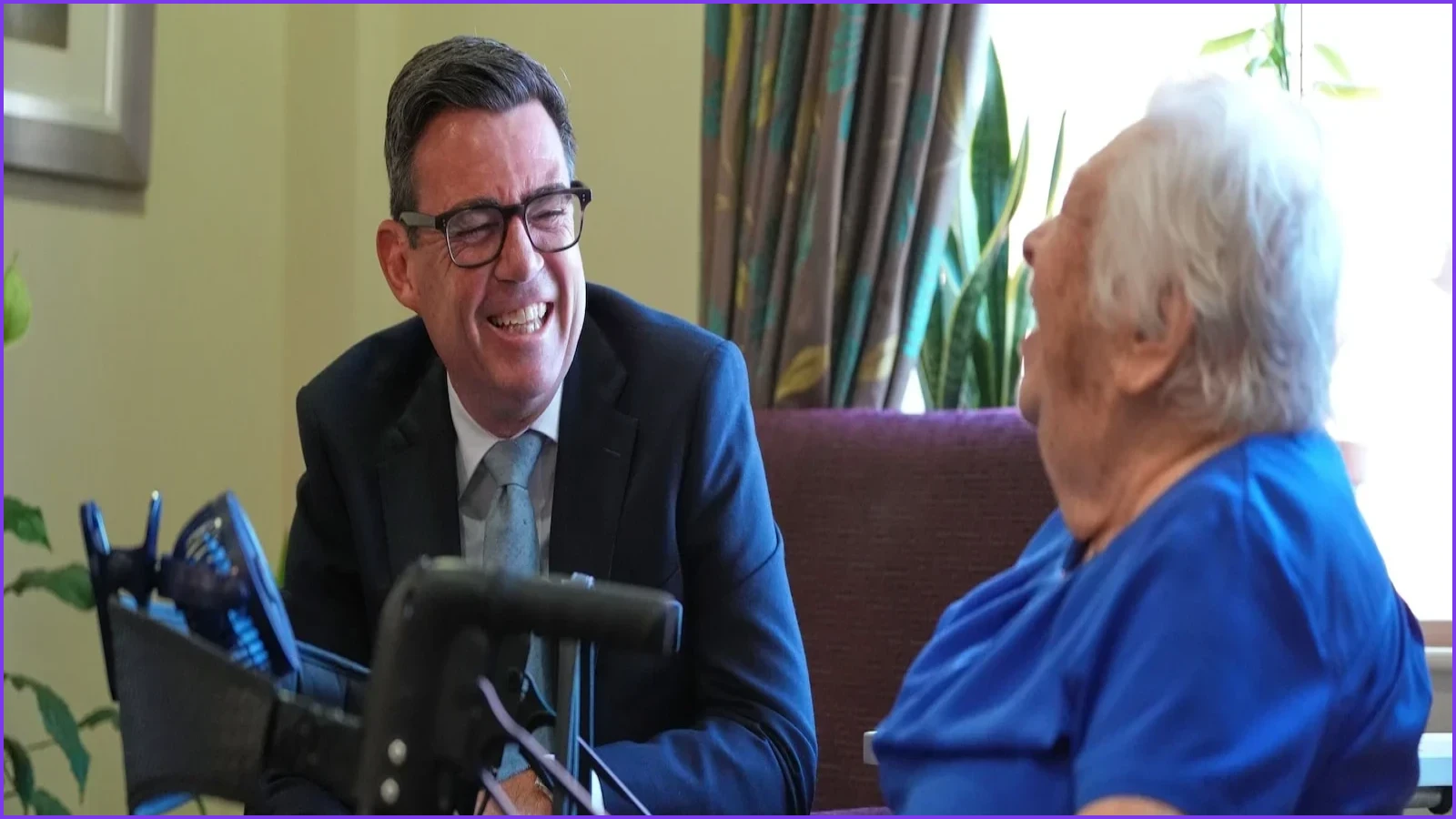
British Prime Minister Andy Burnham has committed to a sweeping reform of the nation's social care system, labeling the current structure as broken and reliant on an overstretched public sector and profit-driven private firms. During a speech at a London care home on Wednesday, the 56-year-old leader described the status quo as a significant failure of his generation of politicians, arguing that the current system is as inequitable as American healthcare, where vulnerable citizens are forced to pay with everything they have.
Burnham, who assumed the role of prime minister last week, aims to establish a national care service that would function alongside the taxpayer-funded National Health Service. He acknowledged his own history with the issue, noting that he had previously proposed reform in 2009 while serving as health secretary under former Labour Prime Minister Gordon Brown. After spending a decade away from national government as the mayor of Greater Manchester, Burnham emphasized that the issue is now deeply personal, as his own father is currently living with Alzheimer’s.
To facilitate this overhaul, the government has appointed social welfare expert Louise Casey to lead a public initiative titled the Big Conversation. Casey described the project as an effort to renegotiate the social contract with the public. Burnham has also extended an invitation to opposition leaders to discuss the matter, stressing that durable change requires finding common ground across political lines. The Conservative Party has confirmed that its health spokesperson will participate in these talks, and Liberal Democrat leader Ed Davey has also agreed to attend. However, the Reform UK party stated they were not invited to the discussions.
The Prime Minister indicated that he is prepared to face potential unpopularity to drive these changes, which could involve tax increases. The proposed reforms include plans to improve the pay, training, and professional status of care workers who currently endure low wages. Furthermore, the government intends to review the financial thresholds for state-funded care and examine the influence of private companies that operate the majority of care homes. Burnham remains adamant that his administration will succeed where predecessors have failed, stating that he would not be able to forgive himself if he left office without having attempted to solve this pressing challenge.
Anti-immigration party Reform UK, which leads many opinion polls but has just seven seats in the 650-seat House of Commons, said it was not invited.Burnham said he was prepared to risk unpopularity to make changes, which could mean tax increases.He said he would work to increase pay, training and status for care workers who do vital work for “poverty pay.” The government also will look at how much people must pay before they can receive state-funded care, and at the role of private companies who own the bulk of care homes.