US President Donald Trump announced on Tuesday that he has scheduled a phone call with Russian President Vladimir Putin to address a suspected plague case at a Siberian research facility. The incident has drawn significant international scrutiny, and while Trump has offered American assistance, Russian regional officials have firmly rejected the prospect of outside intervention.
Speaking to reporters at the White House, Trump confirmed the call would take place "very soon" and noted that "very deep discussions" are currently underway in Washington regarding the matter. Previously, on Monday, the President had described the plague as a "rough disease" and stated that it was an illness the US used to be able to control, adding, "We'll help."
Russian regional authorities maintain that there is no threat of an outbreak in Siberia. Elena Sofina, the deputy mayor of the Shelekhov district, stated that the situation remains under full control. She added that while protocol measures are being followed, the dangerous diagnosis has not been confirmed, and approximately 60% of individuals initially quarantined have already been released.
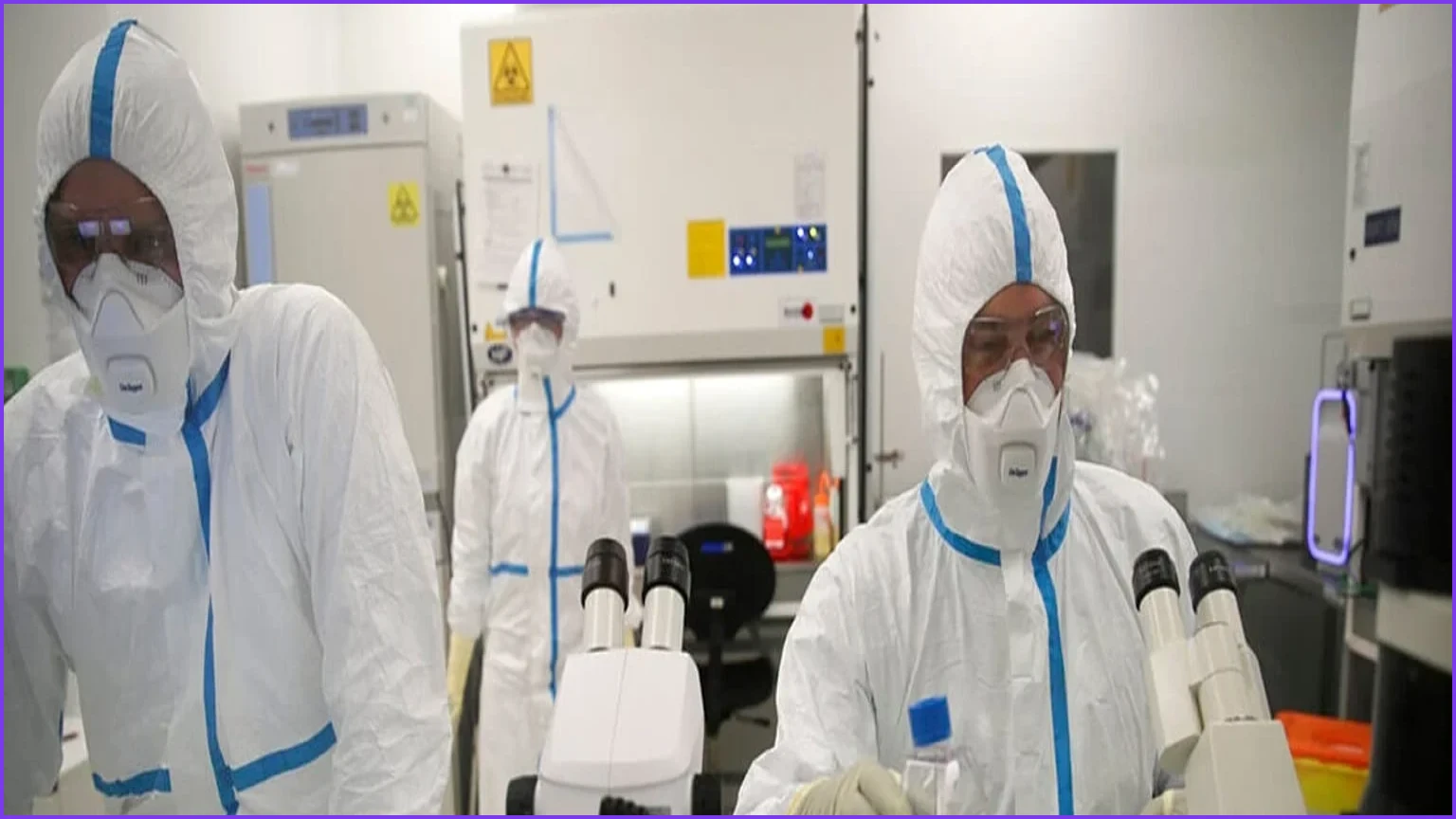
The scrutiny follows the death of Darya Shipilova, a 28-year-old researcher at the Irkutsk Anti-Plague Research Institute of Siberia and the Far East, who passed away in a hospital on October 2. While unconfirmed reports have suggested she accidentally broke a vial containing a plague pathogen, official Russian records cite the cause of death as "pneumonia of unknown aetiology." Despite reports of negative test results among her contacts, authorities placed nearly 200 people under quarantine and imposed restrictions on several hospitals, actions that observers noted were inconsistent with standard pneumonia protocols.
The World Health Organization (WHO) stated on Tuesday that it assesses the risk outside of Russia as "very low" and has observed no evidence of the disease spreading. WHO spokesman Christian Lindmeier confirmed that laboratory tests are ongoing and the cause of death remains officially unconfirmed. WHO Director-General Tedros Adhanom Ghebreyesus said the organization has requested additional information from Russia to verify reports of a second staff member suffering from pneumonia of an unknown cause, emphasizing that "timely, complete and transparent information-sharing in line with the International Health Regulations is critical."
The US Centers for Disease Control and Prevention is monitoring the situation closely and has stated there are no signs of a broader threat to the United States. Meanwhile, the US Embassy in Moscow continues to follow developments while reminding US citizens that a Level 4 "do not travel" advisory for Russia remains in effect due to security concerns and the risk of wrongful detention. Residents in Irkutsk have expressed little alarm, with some suggesting that if the situation were truly severe, local closures would have been implemented by now. Although staff at the anti-plague institute have been released from quarantine, the independent outlet Lyudi Baikala has published informal comments from colleagues and former classmates of Shipilova that cast doubt on the narrative involving a broken vial.