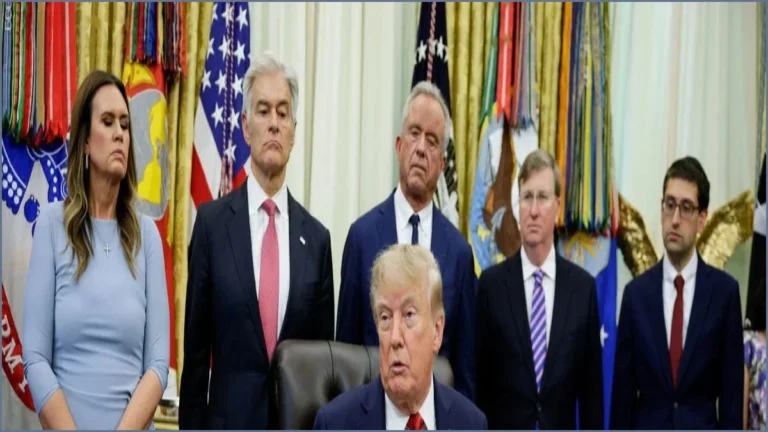
US President Donald Trump has officially signed a bill authorizing a new set of sanctions aimed at pressuring Russia in response to its ongoing war in Ukraine. The legislation, which received approval from Congress earlier this week, was signed by the President on Friday. The package focuses on Russia's energy and defense sectors, while also placing restrictions on President Vladimir Putin, other senior government officials, and various Russian banks and financial institutions.
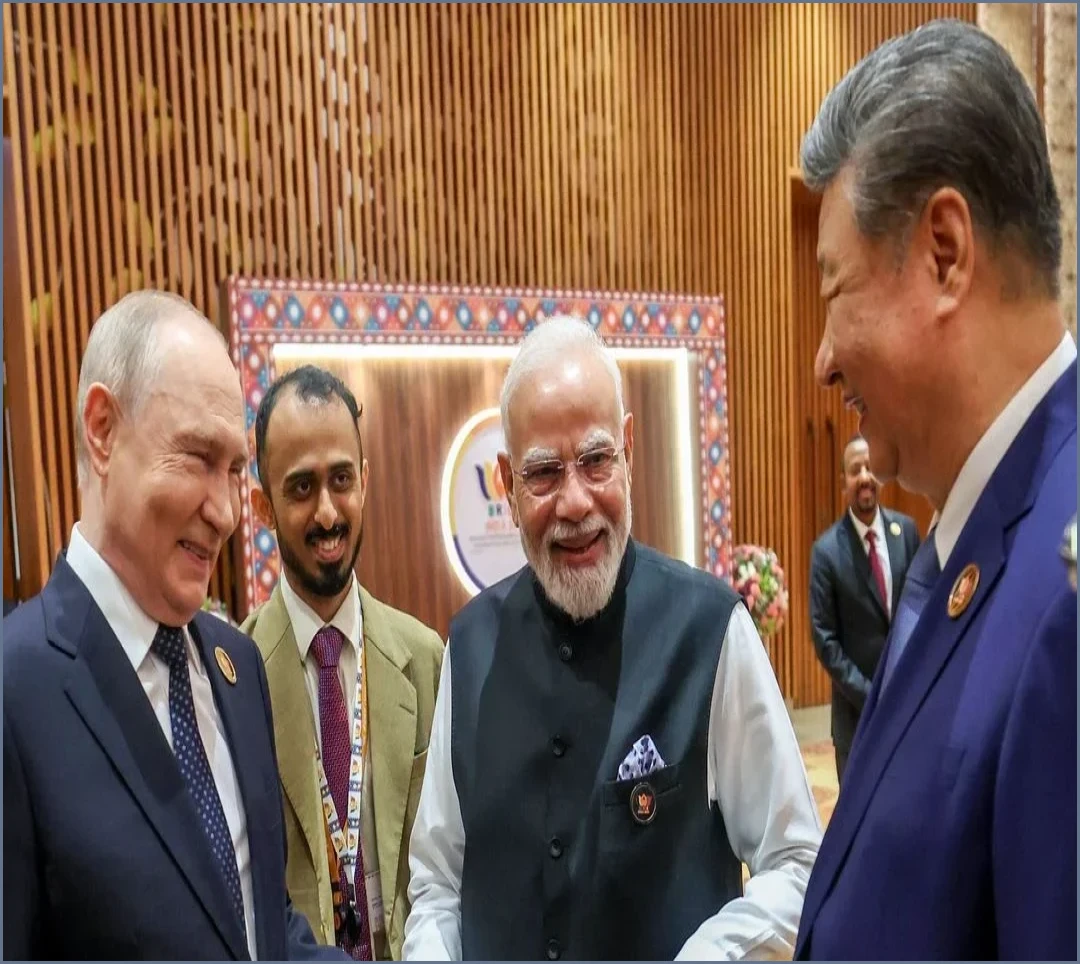
Furthermore, the bill targets Russian oligarchs, their family members, and foreign individuals or entities that provide support to the Russian military. A significant component of the law addresses Moscow's so-called shadow fleet of tankers, which has been utilized to circumvent Western sanctions. The legislation also grants President Trump the authority to impose tariffs of up to 100 percent on major buyers of Russian oil and gas, specifically naming China and India as potential targets.
The Republican-led House of Representatives approved the package on Wednesday with a vote of 262-159. While the bill also extends existing sanctions involving Iran, the broad authority granted to the President regarding tariffs has caused an unusual divide among Democrats. Although they generally support Ukraine, many have expressed resistance toward granting the President expanded power over trade policy.
Ukrainian President Volodymyr Zelenskyy welcomed the passage of the legislation, describing it as symbolic and thanking US lawmakers for their efforts. Zelenskyy noted on Friday that the most effective way to honor the legacy of the late Senator Lindsey Graham, who championed the bill, would be to implement its provisions fully and as quickly as possible.
The law requires the imposition of tariffs of up to 100 percent within 30 days on goods imported into the United States from countries identified as the largest importers of Russian crude oil or gas, or those that have knowingly made new purchases 30 days after the enactment of the law. It also applies to any nation ranked among the top five countries assisting Russia in evading sanctions. An exception is provided for countries that import less than 15 percent of Russia’s natural gas exports and have demonstrated significant steps toward reducing those imports. Critics have pointed out that the legislation does not explicitly name any countries or define the calculation method for the top-five lists, potentially providing US officials with significant leeway in selecting targets.
The development arrives shortly before President Trump is scheduled to meet with Chinese President Xi Jinping in Washington. Meanwhile, India stated on Thursday that it intends to continue purchasing oil through diversified sourcing.