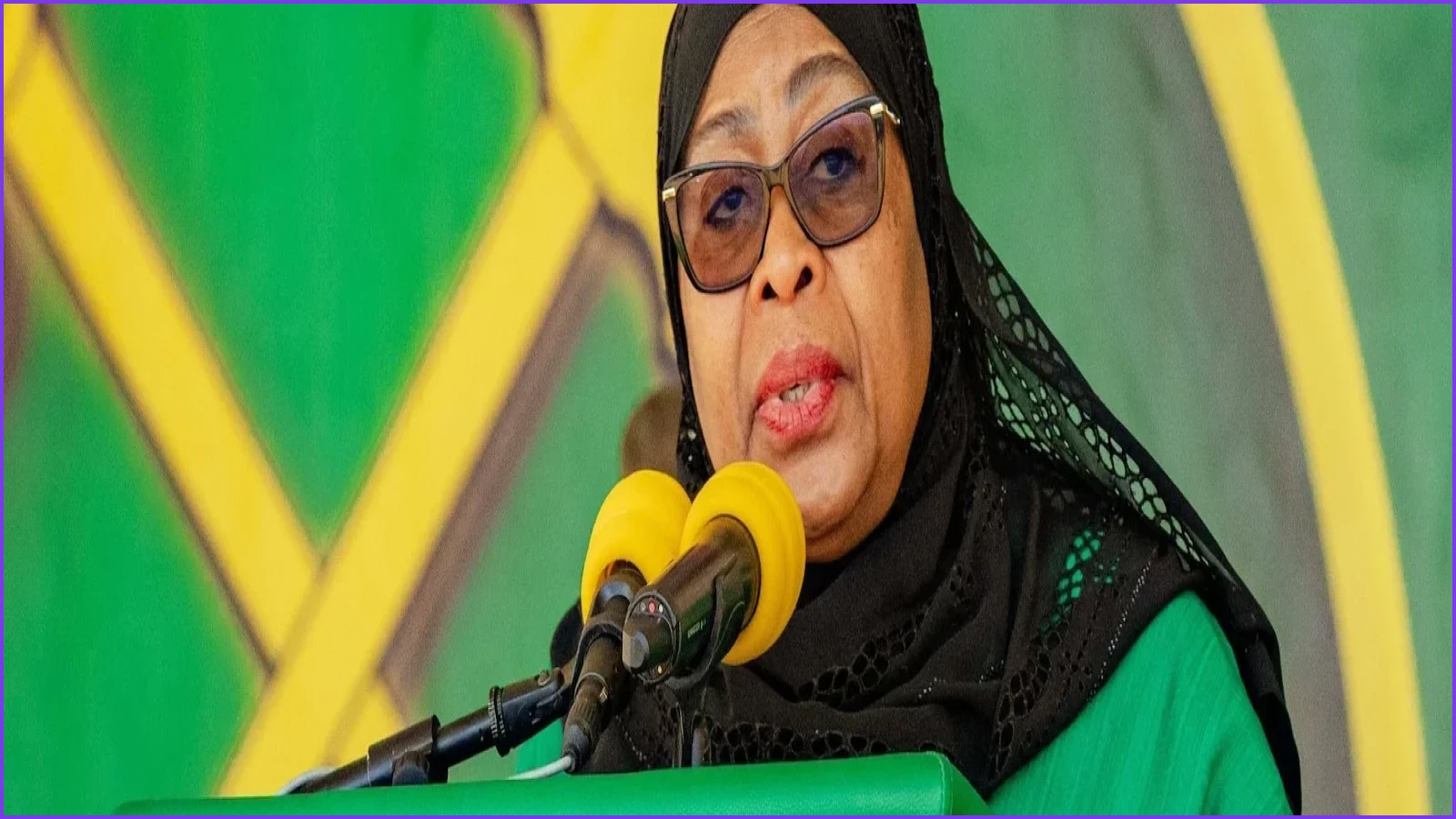
Tanzania’s Vice President Emmanuel Nchimbi has resigned from his position after serving for less than a year. The announcement, released on Tuesday, indicated that Nchimbi offered to vacate the office on September 4. The presidency has confirmed that constitutional procedures will now be initiated to select a new deputy for President Samia Suluhu Hassan.
In his resignation statement, Nchimbi expressed that he was “fully convinced” that President Hassan desired a different deputy, adding, “I assure you that I will continue to be a good citizen of Tanzania.” Analysts suggest his departure follows an underlying power struggle with the president, who has led the country since 2021 following the sudden death of her predecessor, John Pombe Magufuli.
Tito Magoti, a rights attorney and independent analyst based in Dar es Salaam, noted that the two leaders were “not on good terms.” Observers point to disagreements regarding governance and the government’s response to street protests during and after the October 29 election. Those protests were marked by a severe crackdown that resulted in 518 deaths, according to a post-election inquiry. The deployment of the military alongside police to quell the unrest in major cities caused significant alarm both domestically and internationally, as did a government-imposed internet blackout that lasted for several days—a move for which President Hassan later apologized, promising it would not recur.
The resignation is considered a notable event in Tanzania, a nation long recognized for its relative stability under the Chama cha Mapinduzi (CCM) party. The CCM has held power since the country’s independence from Britain in 1961, maintaining a close fusion between the party and the state’s security apparatus. President Hassan’s tenure has faced criticism, particularly surrounding the most recent election where she ran virtually unopposed after her primary rivals were blocked. Her main opponent, Tundu Lissu, remains in jail on treason charges that he maintains are politically motivated. Despite these internal tensions, the country has historically maintained a reputation for peace, a factor that has bolstered the CCM's support among rural voters.