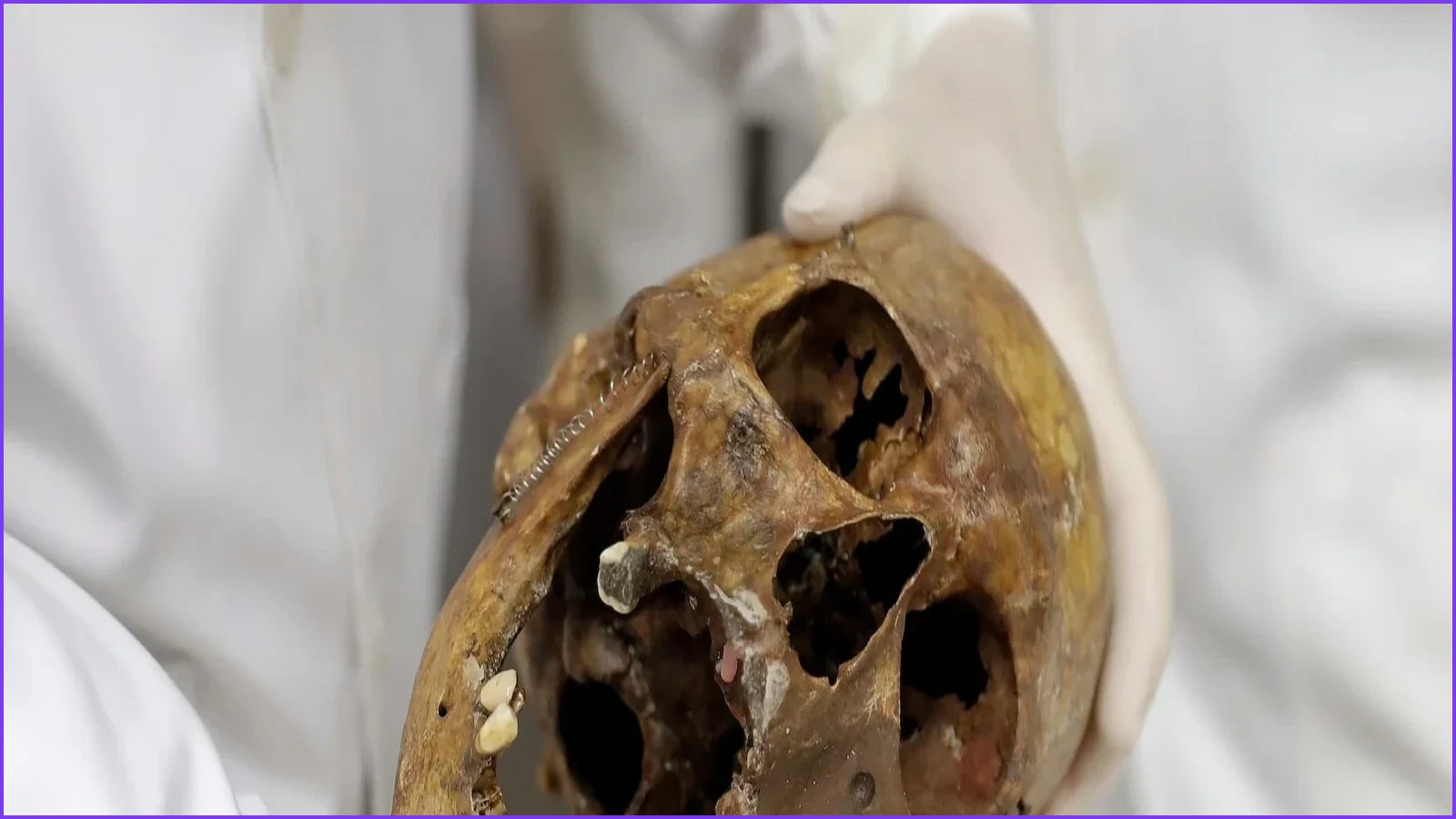
The Swiss federal intelligence service has made public a 200-page dossier on Josef Mengele, the infamous Nazi war criminal known as the "Angel of Death." The release comes after a successful legal challenge by a historian, granting researchers and the public unprecedented access to documents that were originally scheduled to remain classified for decades.
During World War II, Mengele was a German doctor stationed at the Auschwitz extermination camp in Nazi-occupied Poland. At Auschwitz, approximately 1.1 million people were killed, about 1 million of whom were Jewish. Mengele became notorious for conducting brutal and agonizing medical experiments on prisoners, including children, under the pretense of scientific research.
Following the defeat of Nazi Germany, Mengele managed to evade capture by obtaining a Red Cross travel document under a false identity, which enabled him to escape Europe. He spent decades hiding in Latin America while international investigators pursued him. His run ended in 1979 when he drowned while swimming off the coast of Brazil.
The newly released intelligence files contain police reports suggesting that Mengele may have secretly returned to Switzerland after his initial flight from Germany, or that he was planning to enter the country using an alias. Historians have long sought these records to determine if the war criminal managed to spend time in Switzerland undetected by local authorities.
Previously, Swiss officials insisted on keeping the dossier sealed until 2071, citing security concerns and the need to protect the identities of individuals mentioned in the files. However, historian Gérard Wettstein challenged these secrecy restrictions before the Federal Administrative Court. His legal victory resulted in the files being published online, though some portions remain redacted to protect sources and third-party personal data.
The dossier was originally compiled by the police service of the federal prosecutor’s office, which was the predecessor to Switzerland's current federal intelligence services. The records were transferred to the Federal Archives in 2001 before finally being unsealed.