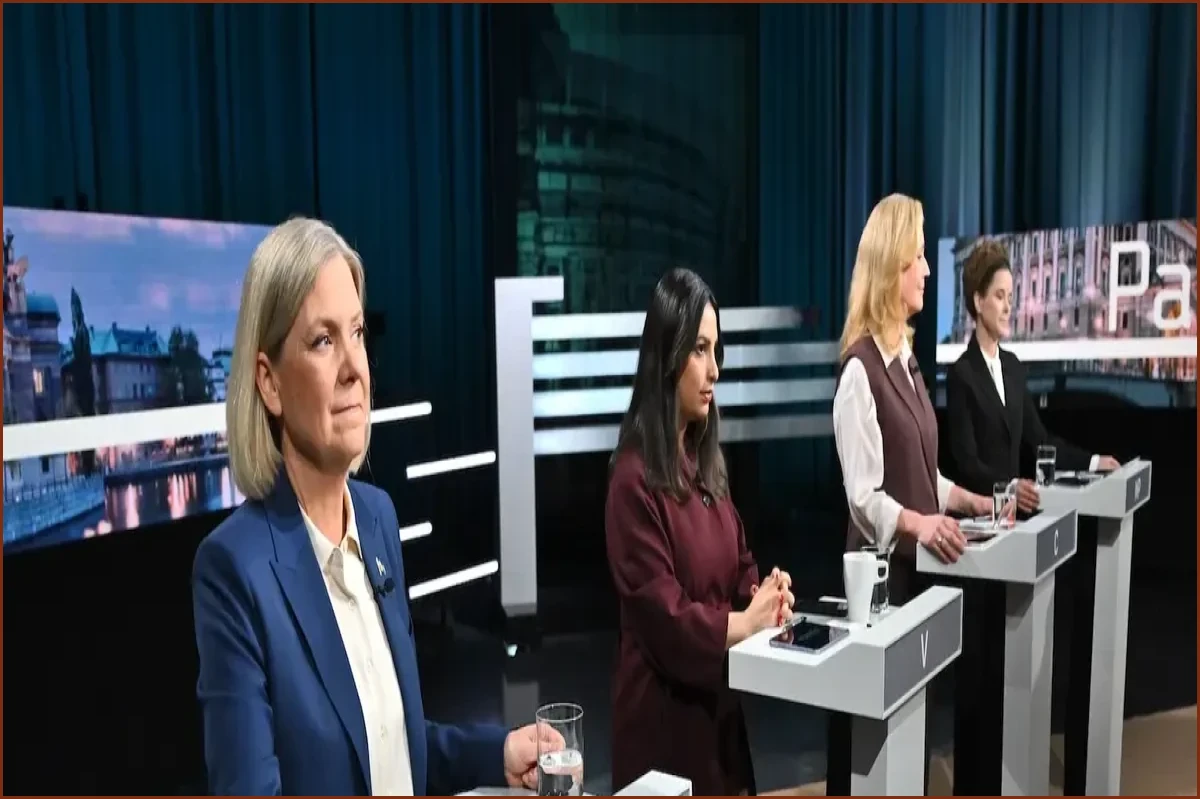
Sweden is facing a period of intense and complex political negotiations following a neck-and-neck election, with both major blocs preparing for a protracted battle for power. Even if the left-wing bloc ultimately secures a larger share of the vote, the path to forming a stable government remains highly uncertain.
"This election isn't over before a new prime minister has been accepted by the Swedish parliament, and until then it isn't over," Moderate Party chief strategist Martin Borgs told the TT newswire. Under Sweden's parliamentary system, a prime minister does not require the positive support of an absolute majority in parliament. Instead, they only need to avoid a majority voting against them—a system of negative parliamentarism where abstentions effectively function as toleration.
Borgs noted that if a non-socialist majority exists in the parliament, the right-wing parties believe they have strong prospects of passing their policies. He pointed out that the Centre Party is traditionally considered a "borgerlig" or right-wing party, despite its decision to support Social Democrat leader Magdalena Andersson as its prime ministerial candidate.
According to sources speaking to Swedish media, sitting Prime Minister Ulf Kristersson has no intention of admitting defeat on election night. This remains true even if the left-wing bloc—comprising the Social Democrats, the Centre Party, the Left Party, and the Green Party—initially appears larger than the ruling Tidö coalition. The Tidö parties consist of the Moderates, Christian Democrats, and Liberals, with parliamentary support from the Sweden Democrats.
The fluid nature of the election night was highlighted by shifting projections. The first exit poll released by public broadcaster SVT showed a clear lead for the left-wing alliance, prompting Social Democrat party secretary Tobias Baudin to declare, "We're going to get Magdalena Andersson as the prime minister of our country." However, an hour and a half later, SVT issued an updated election forecast showing the left and right blocs running neck-and-neck.
Should the tight projections hold, Andersson will face the daunting task of managing deep ideological divisions within her supporting coalition. The Left Party has already demanded ministerial portfolios in exchange for backing a Social Democrat-led government. "There will be four of us who will need to negotiate," stated Left Party deputy leader Ida Gabrielsson following the initial exit poll.
However, Andersson signaled during the election campaign that the Left Party still has a long way to go before it can be deemed ready for government participation. Further complicating matters, the Centre Party has firmly ruled out supporting any administration that includes Left Party ministers, aiming instead for a broad centrist coalition while completely ruling out cooperation with the Sweden Democrats.
In response to these challenges, Andersson stated on the eve of the election that she would contact all party leaders except Jimmie Åkesson, the leader of the Sweden Democrats, to begin negotiations if her bloc wins. She has actively sought to split the right-wing alliance by wooing the Christian Democrats. These upcoming negotiations could range from forming a formal coalition government to securing narrower agreements on specific policy issues or the national budget.
Even if the left-wing bloc comes out on top after Sunday's election the fight for power looks far from over.