The Strait of Malacca, a vital maritime corridor connecting the Indian Ocean with the South China Sea and ultimately the Pacific, is identified as the Indo-Pacific's most critical chokepoint, carrying immense implications for global trade and security.
Stretching approximately 900 kilometers between Indonesia's Sumatra and the Malaysian Peninsula, it serves as the shortest shipping route linking Europe, the Middle East, and East Asia. Its significance is underscored by its extreme congestion, particularly at the Phillip Channel near Singapore, which narrows to less than 3 kilometers, creating a principal bottleneck and a highly vulnerable passage.
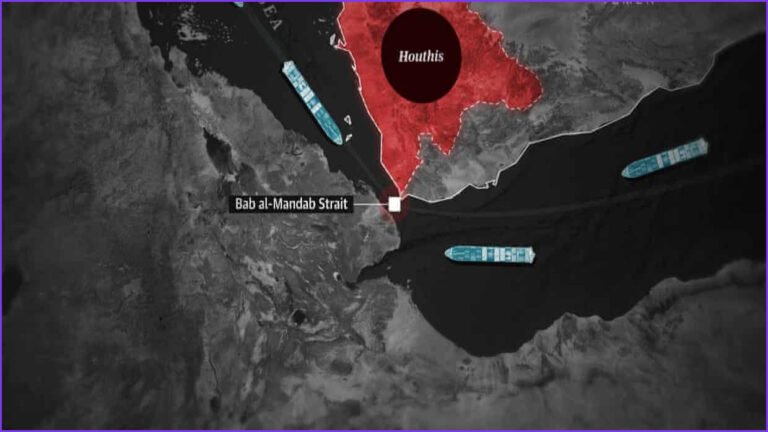
Recent global events, such as the Red Sea crisis in 2023 and Iran's use of the Strait of Hormuz as a geopolitical tool, have exposed the fragility of maritime corridors. These incidents highlight the ease with which states can weaponize their geographic positions and the international community's struggle to prevent disruptions to essential trade routes by state and non-state actors. Even without a closure, threats can escalate insurance premiums, force longer and costlier voyages, and significantly increase transportation expenses, potentially leading to worldwide economic disruption.
The operational challenges within the Strait of Malacca are compounded by its narrowness, which increases the risk of collisions. While piracy has decreased significantly from previous decades, it remains a security concern. These physical and geopolitical vulnerabilities are managed through a framework of institutionalized cooperation among Indonesia, Malaysia, and Singapore, aimed at keeping the vital trade route open. For these three nations, freedom of navigation is not just a legal principle but a crucial economic imperative, making cooperation a strategic necessity.
This cooperative management has helped Malacca avoid prolonged disruptions seen elsewhere. The geography itself reinforces this approach, as no single littoral state exercises exclusive control or could secure the strait independently. However, this cooperation does not imply complete strategic alignment, as each nation assigns different strategic values to the strait.
Singapore, as a premier logistics and financial hub with the world's second-busiest container port, has the most to lose from any disruption, as it underpins its economic model. Malaysia also relies on the strait's stability for the competitiveness of its ports, like Port Klang. Indonesia, controlling a significant coastline and possessing sovereignty over alternative routes like the Sunda and Lombok Straits, holds a unique geopolitical advantage. This position allows Jakarta to influence both the primary corridor and its viable alternatives, a strategic asset President Prabowo Subianto has frequently highlighted.
Indonesia's strategic perspective was evident earlier this year when Finance Minister Purbaya Yudhi Sadewa proposed transit fees for ships using the Strait of Malacca during the Hormuz crisis. Although the proposal was quickly rejected by Malaysia and Singapore, drew international criticism, and was withdrawn, it signaled a potential shift in how coastal states view strategic waterways—as assets for political and economic leverage, not just international public goods. While legal constraints under UNCLOS and opposition from other littoral states make such proposals unlikely in Malacca, the debate itself indicates a growing politicization of strategic waterways.
The future of the Strait of Malacca is also shaped by the strategic rivalry between the United States and China. The strait is a critical artery for Asia's energy security, particularly for China. In a regional crisis, such as a conflict over Taiwan or broader Indo-Pacific escalation, Malacca could become an instrument of strategic pressure against Beijing. Chinese policymakers are keenly aware of the vulnerability of their energy and trade flows to disruption, making its security a long-term priority.
China is pursuing a dual strategy to mitigate this vulnerability. Firstly, it is strengthening its naval presence across the Indo-Pacific, enhancing its ability to protect sea lines of communication. Its assertive behavior in the South China Sea is partly driven by this objective to secure maritime routes. Secondly, China is diversifying transport corridors through initiatives like the Belt and Road, investing in overland routes such as the China-Myanmar Economic Corridor and the China-Pakistan Economic Corridor to connect directly to the Indian Ocean, bypassing Malacca.
The United States maintains a significant military presence and a network of alliances across the Indo-Pacific to counter these developments. Singapore plays a crucial role in this strategy, granting U.S. forces access to military facilities since 1990 and expanding cooperation through agreements like the 2005 Strategic Framework Agreement. Recent years have seen further strengthening of U.S. regional security ties, including defense cooperation agreements with Malaysia in 2025 and an elevated partnership with Indonesia.
These formal security relationships with every country controlling access to the Strait of Malacca enhance Washington's ability to influence the strategic environment surrounding this critical waterway, on which China remains heavily dependent.
You have reached the limit of 2 free articles this month.
Yet cooperation should not be mistaken for complete strategic alignment. While all three governments have a strong interest in preserving stability and freedom of navigation, they do not necessarily attach the same strategic value to the strait.