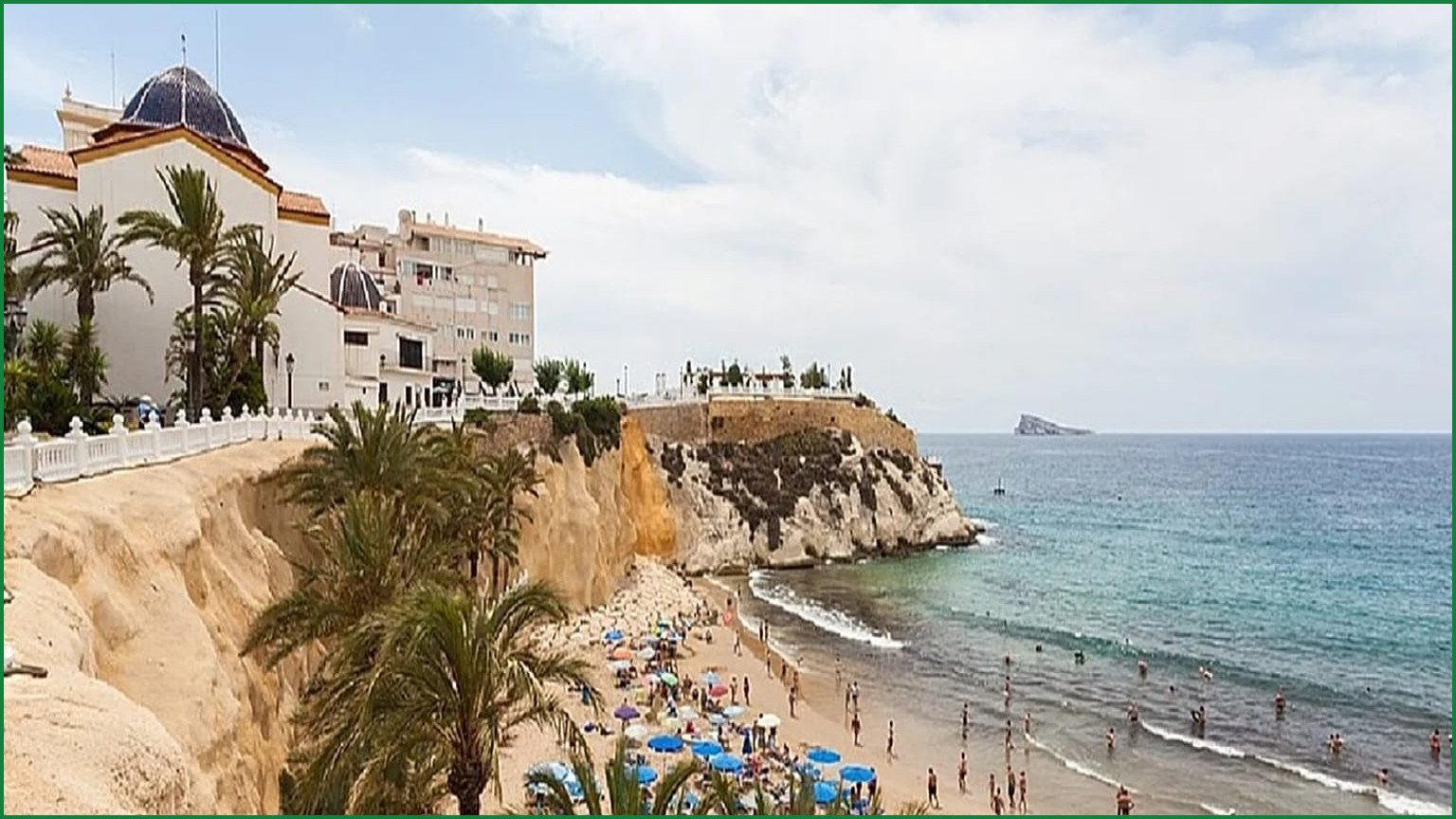
A recent report by Greenpeace, titled "Destrucción a toda costa 2026," warns that the Spanish coastline is currently facing a situation of "unprecedented fragility." The organization attributes this state to the combined pressures of intensive urban development and the intensifying consequences of climate change. The study highlights 194 critical locations along the coast where environmental deterioration has reached alarming levels.
During 2026, more than 100 beaches required artificial regeneration efforts, costing a total of 246 million euros. Greenpeace characterizes these interventions as a "less durable and increasingly expensive stopgap." Of the total investment, 70% was directed toward the Valencian Community, while nearly 20% was spent in Andalusia.
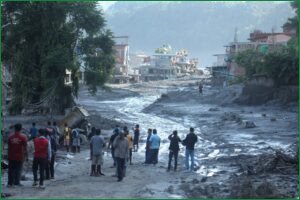
The report asserts that the series of eight named storms that occurred last winter served as a "final exam" for the current coastal management model, which the NGO concludes has failed. Evidence of this failure includes flooded residences in Valencia, the collapse of seafront promenades in Gijón and San Sebastián, cliffs giving way in Tenerife, and numerous beaches left entirely stripped of sand.
Among the most threatened regions, the Ebro Delta is identified as the most vulnerable point on the Iberian Peninsula. Other high-risk areas include the Doñana coastline, La Manga del Mar Menor, La Restinga de l'Albufera, Camposoto beach, and the Maspalomas coast.
Beyond the physical damage, the report warns that the ongoing loss of beaches poses a significant threat to tourism-related employment. Greenpeace calls for a shift in strategy, urging authorities to restore coastal ecosystems, stop construction in flood-prone zones, plan for the relocation of vulnerable infrastructure, and adopt coastal management policies rooted in scientific criteria and nature-based solutions.