Millions of workers across Spain walked off their jobs on Wednesday in the nation's first general strike in 14 years, causing widespread disruptions to public transit, manufacturing, and education to demand immediate government solutions to an escalating housing crisis. The nationwide walkout occurred less than three weeks before a pivotal national election that could potentially elevate right-wing parties to power.
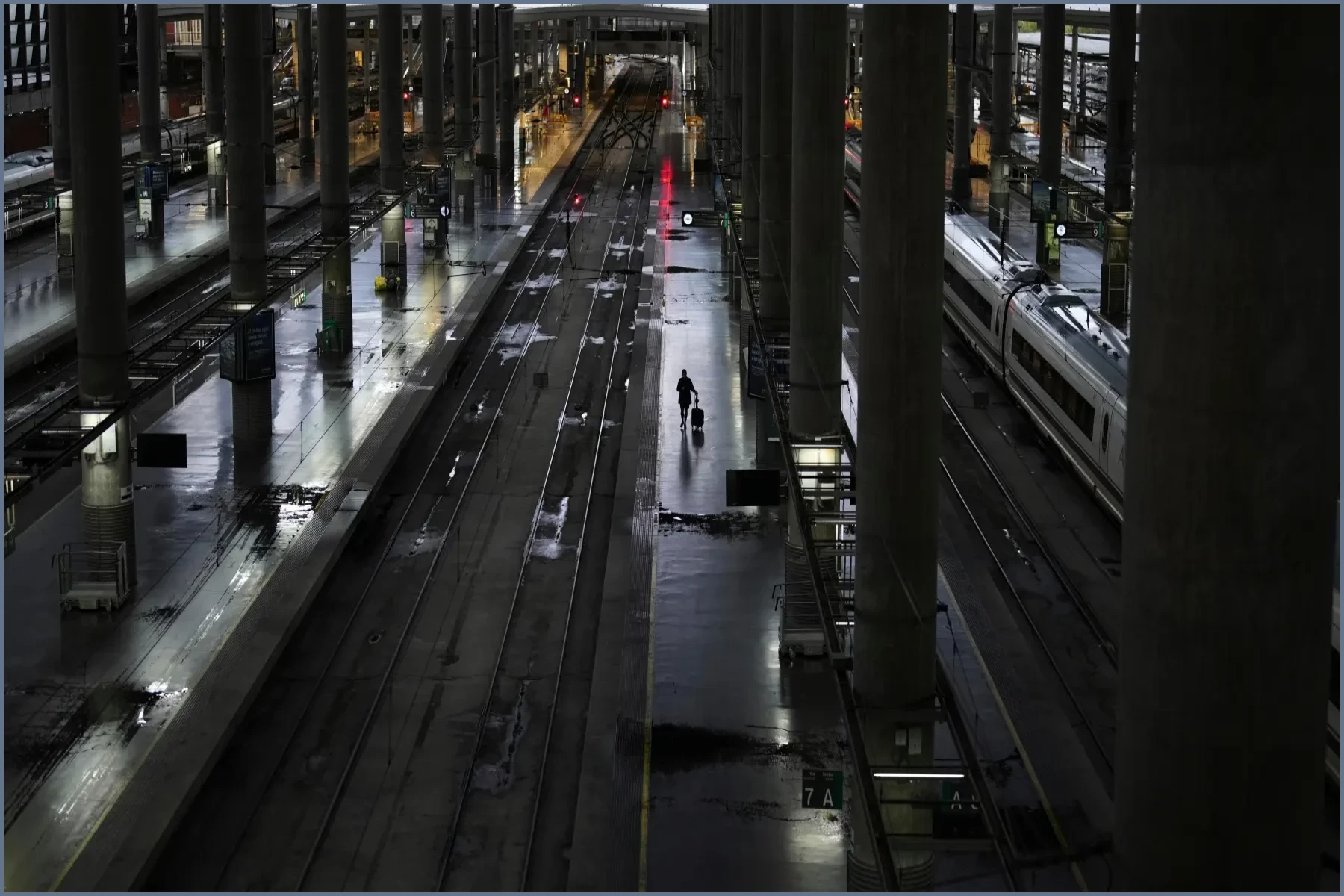
The strike created severe transit delays and slowed industrial production across the eurozone's fourth-largest economy. Public transport came to a standstill or experienced long delays during the morning rush hour in Barcelona, Spain's second-largest city. Heavy morning rainfall in Madrid compounded the impact on city bus networks, while many schools and universities nationwide either closed or operated at minimal capacity. The walkout in Madrid added to an ongoing strike initiated by teachers nearly a month ago over working conditions.
Spain's two primary labor unions, the CCOO and the UGT, reported widespread participation in strategic economic sectors. According to union data, work stoppages reached 90% in the automotive and port sectors, 85% in the meat industry, 82% in waste collection services, and 75% in the energy sector.
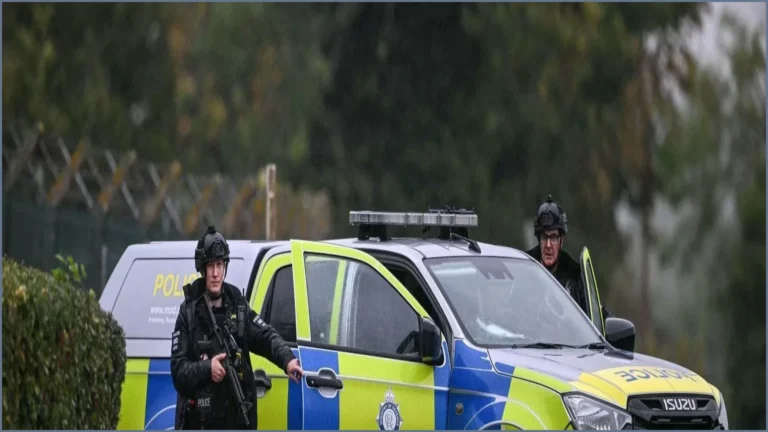
The action officially began at midnight on Wednesday as striking workers launched fireworks in Barcelona's public squares. Minor incidents occurred during the initial hours, including burning-tire roadblocks in Barcelona and brief scuffles between police and picketers outside a major wholesale market on the outskirts of Madrid. Organized marches and demonstrations were scheduled throughout the day under the unified slogan "Salaries. Housing. Prices."
Speaking on national radio station RNE, Tenants' Union spokesperson Sandra Mora highlighted the collective leverage of workers. Mora noted that workers, who are also renters and mortgage holders, possess the power to halt production and bring the economy to a standstill. The movement has united broad segments of society around housing accessibility, driven by data showing average rents in Spain have nearly doubled over the past decade.
CCOO Secretary General Unai Sordo told Cadena Ser radio that the struggle to access housing has become the single issue dividing the country. Public anger reached a boiling point following the nationally televised eviction of an 87-year-old Madrid resident named Maricarmen last month. Her subsequent death converted her into a national symbol for citizens struggling with high housing costs, prompting housing activists to call for Wednesday's general strike with the ultimate backing of major unions.
Housing activists are demanding aggressive state interventions, including the total elimination of tourist apartments, a crackdown on real estate speculation, and automatic lease renewals to protect tenants. Concurrently, the UGT and CCOO unions are calling for stronger government market oversight and a new minimum wage agreement through negotiations with the national business owners' association.
The intense public outcry following Maricarmen's eviction previously pushed Prime Minister Pedro Sánchez's left-wing government to enact emergency measures limiting tenant evictions. However, right-wing parties in Parliament blocked the decrees, arguing that such restrictions would cause property owners to withdraw units from the rental market. In response, Sánchez doubled down politically by calling the election on Oct. 5 to seek another four-year term for his coalition.
Sánchez's campaign momentum was subsequently complicated by a fatal high-speed train collision that killed 69 people, marking Spain's second deadly rail tragedy of the year. The disaster dominated national news, creating political headwinds just as the government aimed to shift focus toward social policies. On Thursday, the government will attempt to pass two housing decrees rejected last month by presenting them to a reduced interim Parliament.
Political analyst Oriol Bartomeus, a professor of political science at the Autonomous University of Barcelona, noted that the Socialists require the strike to be successful and peaceful to pivot the election campaign back to housing issues. Bartomeus observed that if demonstrations descend into violence, right-wing parties—which already hold joint power in several regional governments—could benefit, particularly as polls show voters leaning rightward.
Ahead of the strike, Prime Minister Sánchez posted a social media video highlighting historical labor victories like the 40-hour work week and national healthcare as fruits of the workers' movement. Sánchez warned that right-wing rule would bring austerity and underfunded services, adding that past progress changed Spain through sustained effort. Separately, Sumar spokesperson Verónica Martínez emphasized that the left relies on worker mobilization, stating that rights are won first on the streets before being institutionalized.
But then came a brutal high-speed train collision — Spain's second deadly rail disaster of the year. That collision, which killed 69 people, has dominated Spanish news and created a drag on Sánchez's campaign just when he had hoped to build momentum.
Spain, like other European countries, often has peaceful public protests that radical groups take advantage of to clash with police and destroy property.