While many parts of Spain face the pressures of overtourism and housing shortages, vast areas known as ‘Empty Spain’—or La España Vaciada—remain largely undiscovered. These underpopulated regions, where 79 percent of the country’s municipalities house only 10.4 percent of the population, offer a serene alternative for those seeking a new home or a quiet getaway filled with unique culture and natural beauty.
La Alberca is located in the province of Salamanca in the western part of the country, bordering Portugal. Christians, Arabs, and Jews all made their mark on the village, which is filled with winding cobbled streets and unique architecture made from granite with large wooden beams, often decorated with colourful flowers. It was the first town in Spain to be declared a Historic-Artistic Site in 1940, and in 1949, it became the first town in Spain to be designated a National Historical Monument too.
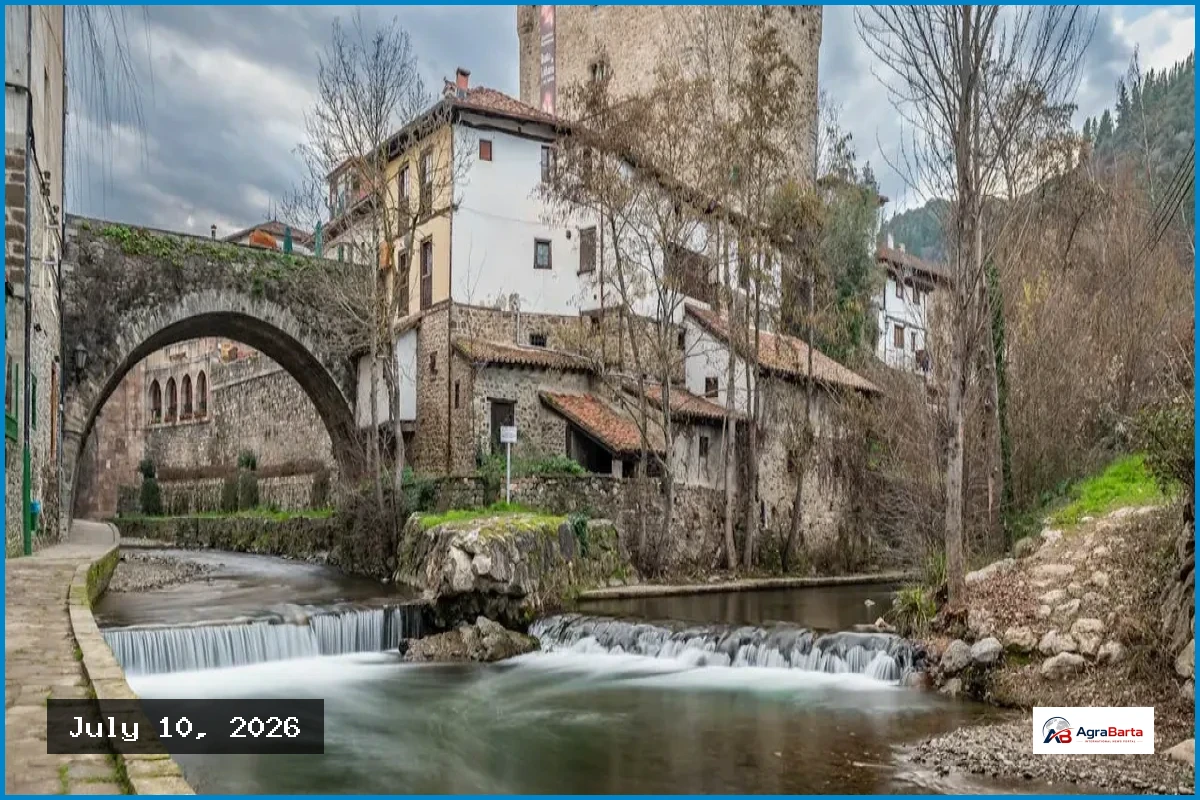
In the province of La Coruña, the forest-bound village of Ponte Maceira is home to just over 60 residents. Named after its Romanesque stone bridge, the village sits along the Tambre River and is dotted with traditional farmhouses. A major landmark here is the 14th-century Pazo do Cotón, a historic mansion that houses the Chapel of San Mauro.
The Matarraña region in Teruel, often referred to as the ‘Tuscany of Spain,’ contains the village of Valderrobres. Named after the Matarraña River, which provides excellent hiking opportunities through medieval and renaissance landscapes, the village is dominated by a grand castle and the Gothic church of Santa María la Mayor. Visitors can also view various palatial mansions accessed by a stone bridge.
Puebla de Sanabria, situated in the province of Zamora near the northern Portuguese border, is a strategic site that has seen centuries of history and conflict. Today, it is recognized as a Historic-Artistic Site. Its architecture features honey-coloured stone surrounding a 15th-century medieval fortress, complete with a central keep and drawbridge, offering an atmosphere that feels like a step back in time.
Finally, the La Vera area, located northeast of Cáceres, sits at the edge of the Sierra de Gredos Natural Park. This region is defined by its oak and chestnut trees, verdant meadows, and traditional wood-and-stone houses. Known for its natural pools and gorges, it is a prime destination for summer hiking. The area also hosts the 15th-century Monasterio de San Jerónimo de Yuste, the final resting place of Emperor Charles V, and is famous for its local production of paprika, often seen drying on village balconies.
Rural Spain still lies largely undiscovered by tourism and many foreign residents. Here are some charming treasures that lie well off the beaten track which may seduce you enough to buy a second home there or consider a move for a more peaceful life.
READ ALSO: How to find Spanish villages that want foreigners to move there