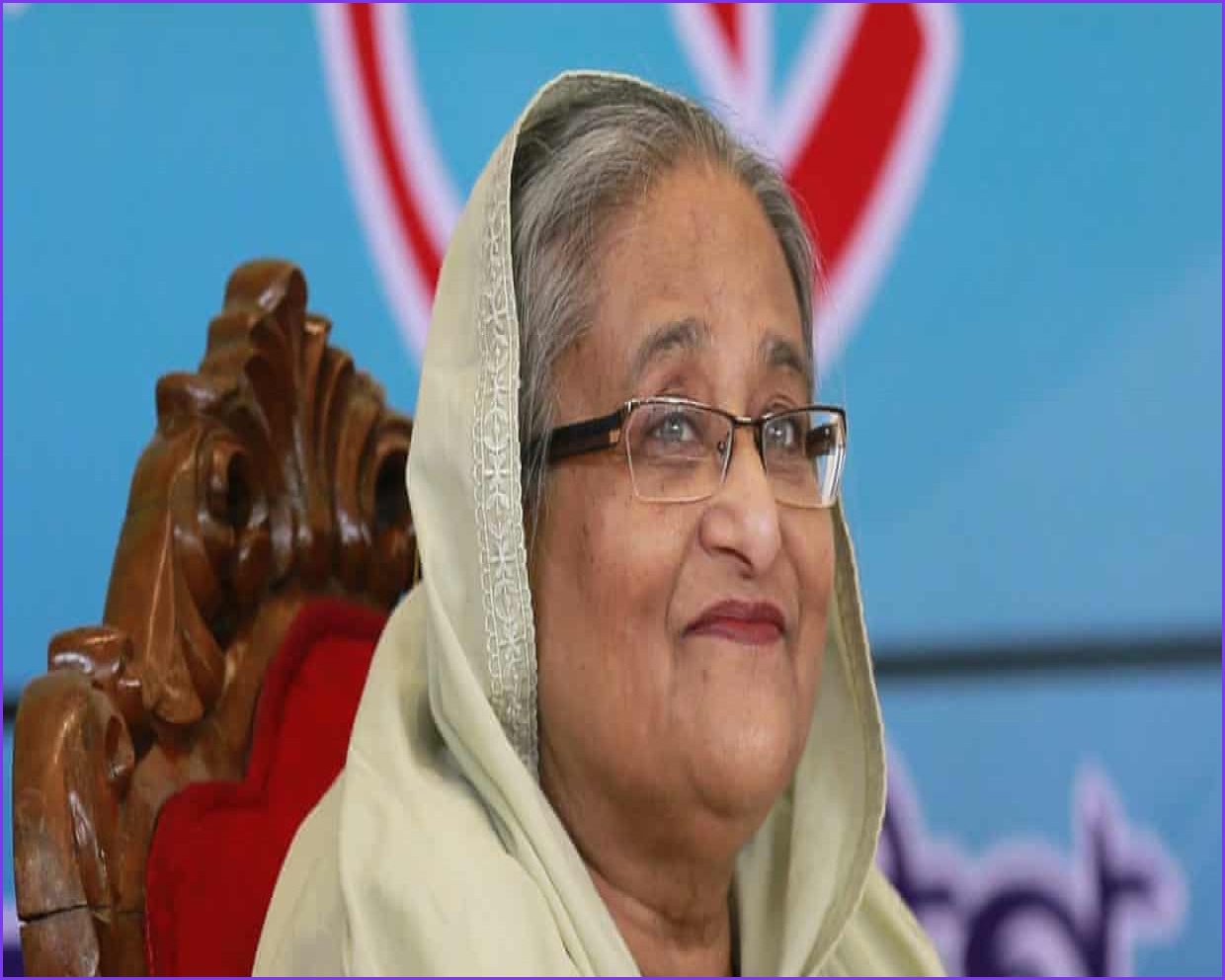
Exiled former Prime Minister Sheikh Hasina is preparing to return to Bangladesh in December after applying for a new passport, according to exiled members of her party, despite facing an immediate death sentence upon her arrival. Hasina has been living in self-imposed exile in Delhi, India, since being ousted in August 2024 following a massive student-led uprising against her 15-year authoritarian regime.
The prospect of her return follows a conviction by a tribunal in Bangladesh last November, which found Hasina guilty of crimes against humanity in absentia and sentenced her to death over a brutal crackdown on protesters that left an estimated 1,400 people dead. Aminul Islam, the chief prosecutor of the tribunal, declared there is "no legal scope" for Hasina to receive a new passport as she is a "convicted fugitive" whose deadline to appeal has passed. "Sheikh Hasina has no option but to face the execution of the verdict," Islam emphasized, stating she would be hanged if she enters the country.
On Monday, a British attorney acting on behalf of Hasina formally wrote to the Bangladesh High Commission in Delhi requesting that a new passport and national identity card be issued "in a timely fashion," according to a letter seen by reporters. An exiled leader from Hasina's party, the Awami League, currently based in Kolkata, confirmed that she is serious and "confident" about returning next month. Speaking on condition of anonymity, the official stated, "The reason our leader Sheikh Hasina has applied for a passport is that she genuinely wants to return." The leader added that if authorities refuse to grant her a passport, Hasina plans to apply for a travel pass to make her return possible.
Addressing her potential return directly, Hasina expressed her resolve in an email sent to the Associated Press this week, writing: "If death is my destiny, I would rather die on the soil of my own country, among my own people."
Hasina has consistently rejected all charges against her, claiming the judicial tribunal that handed down her death sentence was illegitimate. Following her conviction, the Bangladesh government has repeatedly pressed Indian authorities to extradite the former prime minister. However, the Indian government, which maintained close ties with Hasina during her tenure, has ignored extradition requests, creating diplomatic friction between Delhi and Dhaka. Bangladesh officials stated this week that, as a "terrorist," Hasina could only return through an "acceptable prisoner exchange" under the existing extradition treaty between India and Bangladesh.
A physical return by Hasina threatens to cause widespread political upheaval in Bangladesh, where the Awami League remains officially banned and thousands of its members are detained. Political analysts suggest her decision to return is an effort to re-energize her support base and undermine the newly elected government led by Prime Minister Tarique Rahman. Rahman's administration took office in February after Bangladesh held its first democratic election in decades, but it has faced growing public discontent over surging inflation and widespread labor protests that have shut down major garment factories—economic troubles the Awami League aims to exploit.
Exiled Awami League leaders living in Kolkata continue to hold operational meetings and are routinely called to Delhi to confer with Hasina. Several party members have already quietly slipped back into Bangladesh, including former Member of Parliament Mustaque Ahmed Ruhi, who was arrested immediately upon his return in September and now faces prosecution for an alleged murder committed during the 2024 uprising.
Despite the high probability of immediate arrest, other exiled party officials state they intend to follow Hasina back home. A senior party leader based in India acknowledged that many face lengthy sentences handed down in absentia by what he characterized as "kangaroo courts." He affirmed that party members remain resolute: "We know we will be jailed. But we are ready to face the consequences and return to our own people. We will fight this politically." Hasina first raised the possibility of returning in August, and despite the heavy toll of human rights abuses linked to her 15 years in power, she continues to hold strong loyalty among thousands of underground Awami League cadre across Bangladesh.