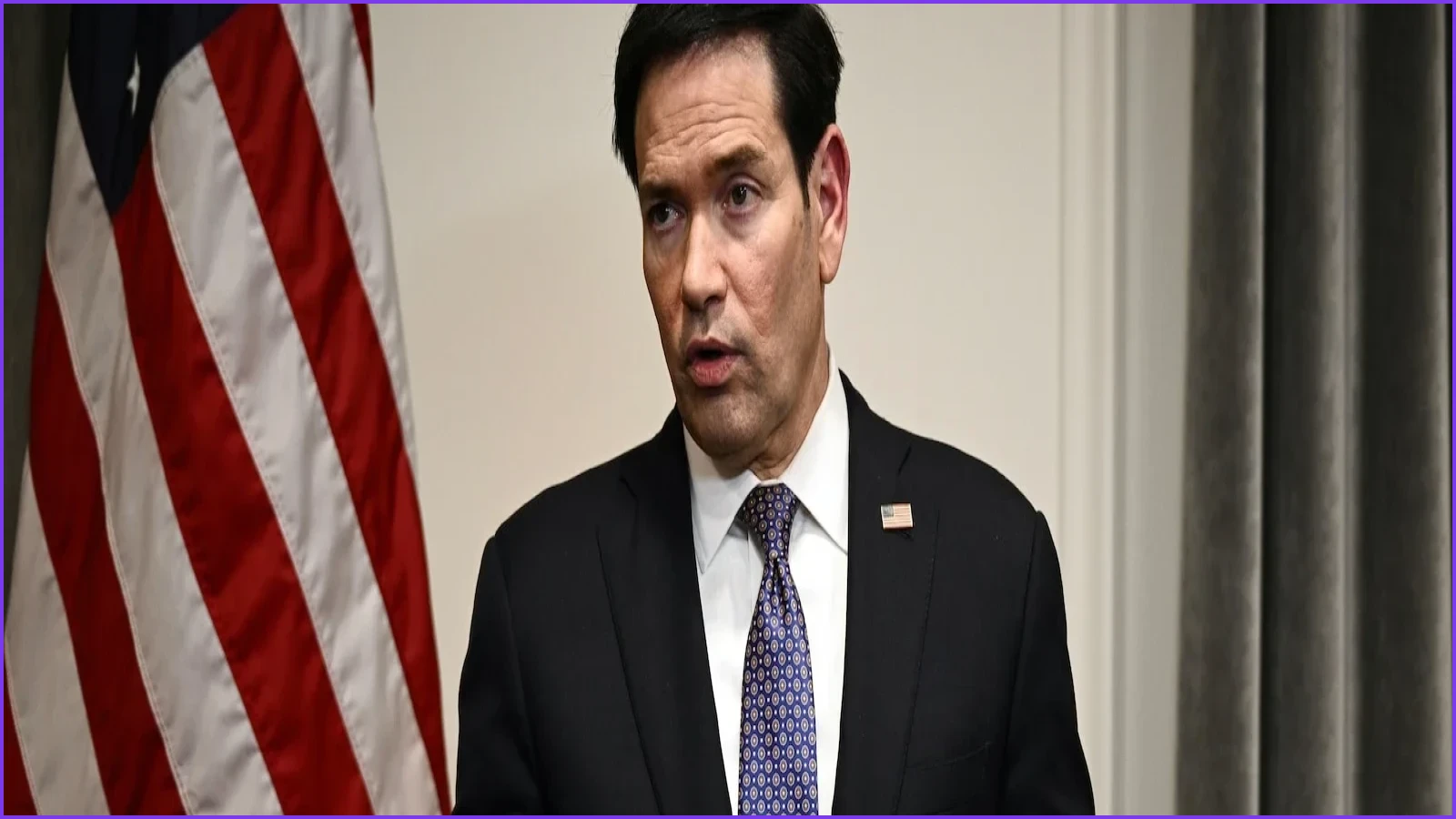
U.S. Secretary of State Marco Rubio and his counterparts from the Group of 7 developed democracies have shifted their focus toward Ukraine, prioritizing discussions on how to sustain the nation’s defense against Russia. The diplomatic efforts in Paris coincide with separate, U.S.-mediated trilateral talks currently underway in the United Arab Emirates involving Russian, Ukrainian, and American officials.
Ukrainian Foreign Minister Andrii Sybiha began his Tuesday in Paris with a bilateral meeting with Secretary Rubio before joining the broader G7 assembly at the French foreign ministry. The discussions centered on security and defense assistance for Kyiv, a subject of significant concern following reductions in support by the administration of President Donald Trump. These funding shifts have caused notable unease across Europe, particularly within G7 member nations such as France, Germany, Rome, and London. It remains uncertain whether the United States or its G7 partners will announce new aid packages as a result of these sessions.
Simultaneously, in Abu Dhabi, U.S. envoys Steve Witkoff and Jared Kushner are engaging with Russian and Ukrainian representatives. The objective of these meetings is to encourage Moscow to participate in broader negotiations that would incorporate key European officials to address the nearly five-year-old conflict. While European leaders have actively sought a role in the Abu Dhabi discussions, two U.S. officials indicated on Monday that representatives from Britain, Germany, France, NATO, and the European Union would not be included in the primary talks. Instead, they are expected to hold preliminary discussions regarding potential security guarantees and the long-term security architecture between Russia and Europe.
Russia has maintained its resistance to European participation, insisting that the dialogue remain limited to a trilateral format. The parties last held such talks in February. During the G7 meetings, German Foreign Minister Johan Wadephul emphasized the necessity of European inclusion, stating that a solution cannot be reached without Europe’s direct participation. While acknowledging the importance of the U.S.-led mediation, he stressed that Europe belongs at the table.
Secretary Rubio expressed that the U.S. does not object to eventual European involvement but noted that the current timing is not yet appropriate. After a day of bilateral and group meetings, Rubio told reporters that while there is still a long road ahead, the continuation of the trilateral talks is a positive development compared to the absence of diplomatic engagement. The diplomatic efforts persist despite ongoing hostilities, as Russia recently battered Ukraine’s power grid, and Ukrainian forces struck a major Russian oil refinery. Analysts and humanitarian organizations report that the war has already resulted in the deaths of hundreds of thousands of soldiers and thousands of civilians, with both sides showing no immediate indication of softening their respective demands.