The conflict between the United States and Iran has now stretched into its sixth month, far exceeding the initial estimate provided by President Trump and Israeli Prime Minister Benjamin Netanyahu, who had predicted the intense phase of the war would last only four to six weeks. As the administration evaluates the future of approximately 50,000 U.S. troops stationed across the Middle East, two of Washington's primary regional partners are pressing the president with sharply different strategic visions for the path forward.
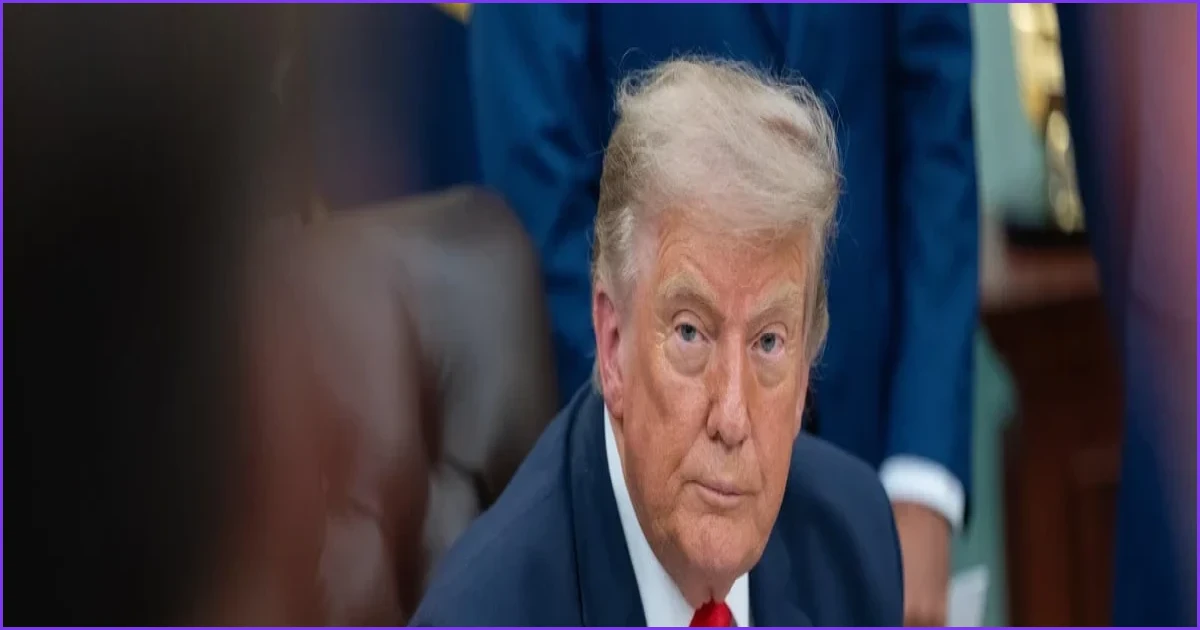
President Trump received input on Wednesday from both Prime Minister Netanyahu and Saudi Defense Minister Prince Khalid bin Salman. While the White House and the Israeli government have not released a formal readout of the meeting with Netanyahu, an official acknowledged that the Prime Minister is currently sensitive to the optics of appearing to direct U.S. policy, describing the relationship as one where Mr. Trump acts as the senior partner. Following his Oval Office meeting, a senior Israeli official defended the original four-to-six-week estimate, arguing that the "tense part" of the conflict was indeed that short. The official noted that Israel has remained on the sidelines during the current month of combat but warned that if attacked, Israel would have no choice but to rejoin military operations.
Netanyahu’s diplomatic efforts in Washington included a follow-up meeting with Defense Secretary Pete Hegseth and Defense Under Secretary for Policy Elbridge Colby, as well as a private session with U.S. envoy Steve Witkoff. He also held discussions with a group of senators known for their hawkish stance on Iran, including Republicans Tom Cotton, Ted Cruz, and Tim Sheehy, and Democrat John Fetterman. Despite these efforts, the senior Israeli official identified only Foreign Minister Abbas Aragchi as a potential, albeit non-moderate, realist for future negotiations. Netanyahu continues to advocate for regime change, hoping to lay the groundwork for an internal uprising, a position that contrasts with President Trump’s stated preference for negotiating with the current regime.
In separate meetings with President Trump and Vice President JD Vance, Saudi Defense Minister Prince Khalid bin Salman conveyed the Kingdom's assessment that Iran is attempting to gain leverage through escalation, specifically utilizing proxy forces such as the Houthis in Yemen and various militias in Iraq. The White House confirmed that Mr. Trump held a brief drop-by meeting with the Saudi defense minister. Saudi Arabia has recently taken a more active role, joining the United States in strikes against Iranian-backed militias in Iraq on Wednesday and bombing Houthi targets earlier in the week. These actions, which the Kingdom described as defensive responses to attacks on civilian infrastructure, resulted in at least 20 deaths, including some Iranian military advisers, according to the militia groups.
Diplomatic efforts to resolve the crisis remain largely unproductive. An initial proposal from Oman to reopen the Strait of Hormuz was rejected by Iran. A previous memorandum of understanding, which had been negotiated by Jared Kushner, Steve Witkoff, and Vice President Vance to reopen the strait, was announced in late June but collapsed after less than three weeks. Meanwhile, U.S. intelligence officials have assessed that further bombing of Iran will not successfully dislodge the IRGC-controlled regime. The Pentagon has requested $67 billion in emergency funding to support the ongoing war effort, including the costs of troop deployments and the replenishment of munitions.
The broader regional impact remains significant. While the United Arab Emirates has carried out dozens of airstrikes in Iran this spring, it has not publicly acknowledged these actions. Other Gulf allies, including Kuwait and Bahrain, have faced near-daily incoming drones and missiles. Kuwait’s ambassador to the U.S., Sheikha al Zain al Sabah, issued an on-the-record denial that her country participated in strikes on Iran, following reports to the contrary. As it stands, the Strait of Hormuz remains congested by Iranian threats, and Iran's enriched nuclear material remains under the control of the regime, though it is being monitored by U.S. and Israeli intelligence.