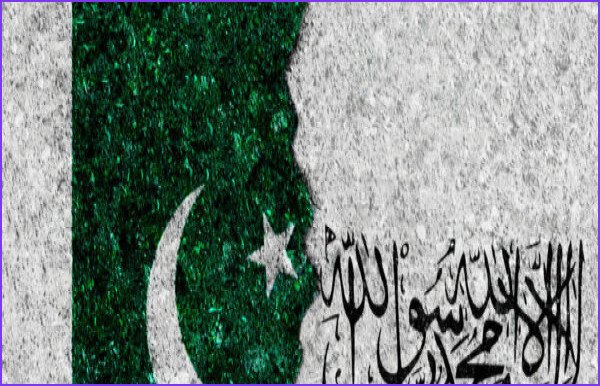
A long-standing alliance between Pakistan and the Taliban in Afghanistan has fractured, leading to a series of military confrontations that have persisted into September 2026. The shift in relations, which many observers found unexpected given their three-decade history of close cooperation, culminated on the night of February 21, 2026, when Pakistan initiated air and missile strikes across three border provinces in Afghanistan.
These strikes targeted locations identified by Pakistan as suspected camps belonging to the Tehreek-e-Taliban Pakistan (TTP) and the Islamic State of Khorasan Province. The Taliban regime in Kabul responded to these actions by attacking Pakistani border posts. In the wake of these retaliatory measures, the Pakistani military launched a broader campaign titled Operation Ghazab Lil-Haq, or "Righteous Fury," against Afghanistan.
The diplomatic and military situation deteriorated rapidly, leading Pakistan’s defense minister to declare on February 27, 2026, that the nation's patience had expired and that the two countries were engaged in "open war." While mediation efforts led by China have reportedly reduced the frequency and intensity of the strikes in the months following the initial escalation, military activity continued through September 2026. Simultaneously, TTP attacks within Pakistan have persisted.
The current state of hostilities marks a significant departure from the period following the Taliban’s seizure of power in August 2021, a development that Pakistan had initially celebrated. As the conflict continues, questions remain regarding the underlying motivations for Pakistan’s military strategy beyond the targeting of TTP camps, and whether the historically close relationship between the two nations can be recovered.
You have reached the limit of 2 free articles this month.
“Our patience has now run out. Now it is open war between us,” Pakistan’s defense minister said on February 27.