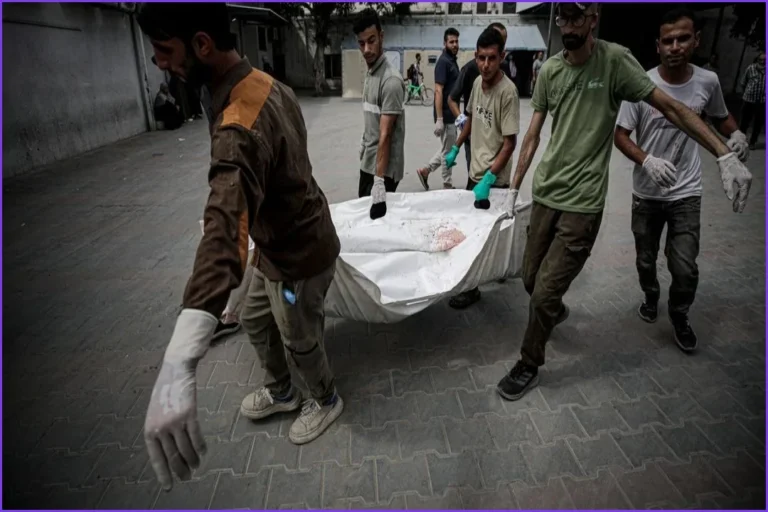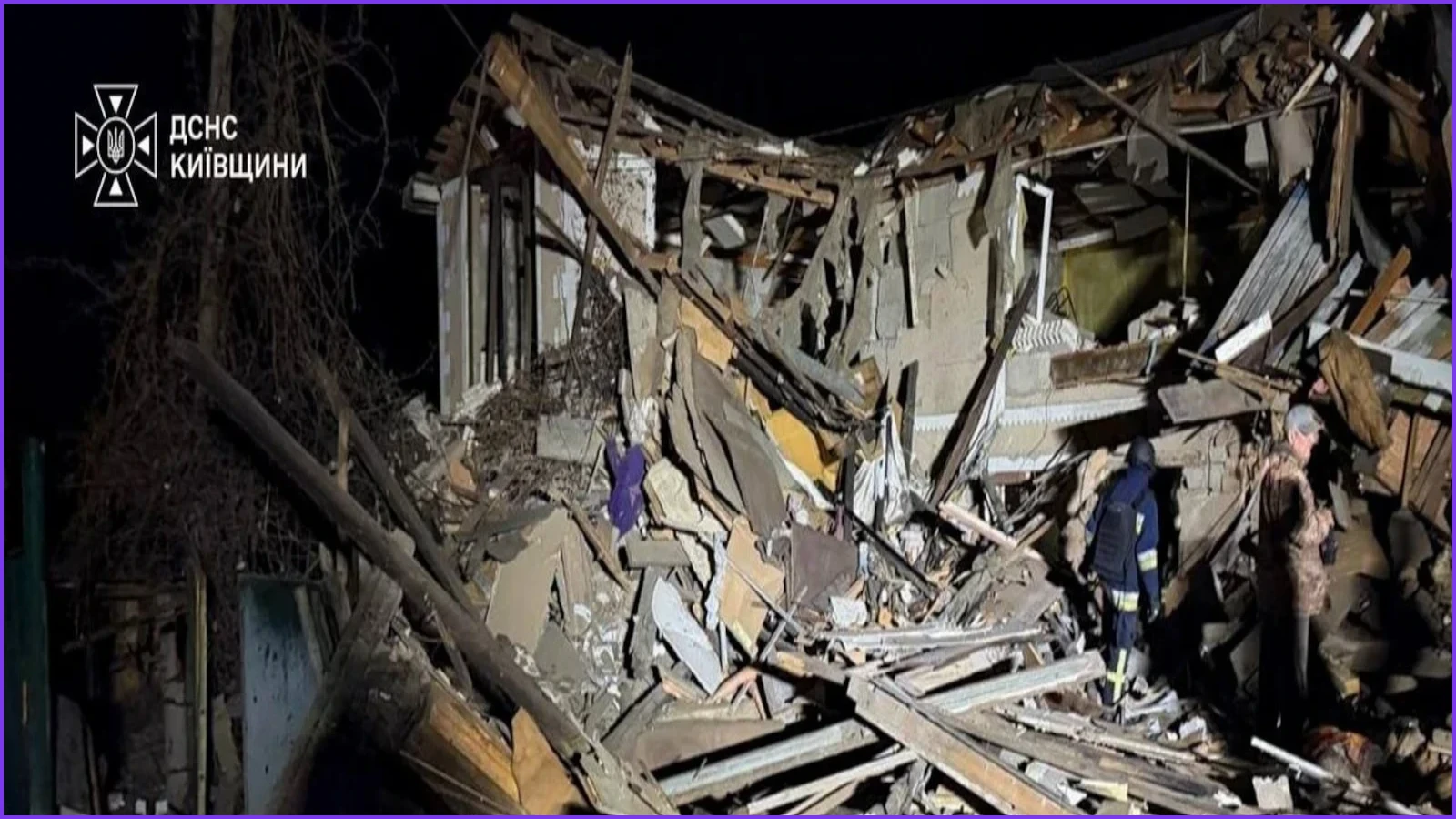
Russian forces executed a major aerial assault on Kyiv and its surrounding areas on Wednesday, utilizing a combination of missiles and drones in an escalation that resulted in four deaths, including one child. The attacks specifically targeted the region's energy infrastructure and a key internet exchange point, intensifying concerns as Ukraine prepares for the upcoming winter season. Moscow’s steep escalation of its aerial campaign since the end of August heaps pressure on Ukraine as it braces for winter, when Russia regularly bombards energy facilities to deny Ukrainians heating and running water.
Officials reported that the overnight barrage caused widespread power outages and prompted fears of a renewed campaign to “weaponize winter” by depriving civilians of heating and water. Prime Minister Serhii Koretskyi stated via Telegram that while energy facilities have faced near-constant threats since summer, this particular strike represented the most significant and combined attack since the conclusion of the previous heating season. Ukrainian Foreign Minister Andrii Sybiha echoed these concerns, noting that the country is experiencing days of almost uninterrupted air raid alerts. “Russia is intensifying its terror: jet-powered drones during the day, ballistic and cruise missiles at night, constant attacks against our cities and civilian life,” Sybiha said on X.
In the Kyiv region city of Vyshhorod, a boy was killed and three other individuals were rescued from the debris of a private residence, according to Tymur Tkachenko, the head of the regional military administration. Separately, authorities reported that three additional people were killed and at least four others were wounded within the capital city itself. Hits were recorded in civilian areas across at least four districts of Kyiv.
Ukrainian Air Force spokesman Yurii Ihnat highlighted the increasing scale of the bombardment, noting that Russia launched 3,177 jet-propelled drones at Ukraine so far this month, a sharp increase from the 2,850 recorded throughout August. Ihnat emphasized that these waves of attacks, which are difficult to intercept, are primarily aimed at Kyiv and surrounding territories. He stressed the urgent need for additional missiles for U.S.-made Patriot air defense systems to counter the ballistic threats. Russia has exploited gaps in Ukrainian air defenses by firing ballistic missiles and new jet-powered drones, both of which are hard to stop. Air raid alerts are disrupting daily life, sending people running for shelter and denting economic output.
President Volodymyr Zelenskyy characterized the offensive as a “difficult attack” designed to stretch Ukraine's air defenses. He expressed gratitude toward international partners for their recent air defense contributions but added, “The closer we get to winter, the more of this protection we need. We must do everything to ensure that Russia’s bet on ballistic missile and drone terror does not pay off.”
The Russian Defense Ministry claimed its overnight strikes successfully hit a hydroelectric plant, a thermal power plant, an electrical substation, an energy storage facility, and a data center, though Ukrainian officials did not confirm these specific targets. Amidst the ongoing violence, officials noted that Moscow continues to reject U.S. efforts to halt the fighting, with Russia demanding a comprehensive settlement that includes land concessions unacceptable to Kyiv.
efforts to halt the fighting, 4 ½ years after Russia invaded its neighbor.
Russia has fired more than 3,000 jet-powered drones at Ukraine this monthThe main Russian targets were energy infrastructure in Kyiv and the surrounding region, President Volodymyr Zelenskyy said on social media, describing it as “a difficult attack” as Moscow stretches Ukraine's air defenses.Zelenskyy thanked foreign