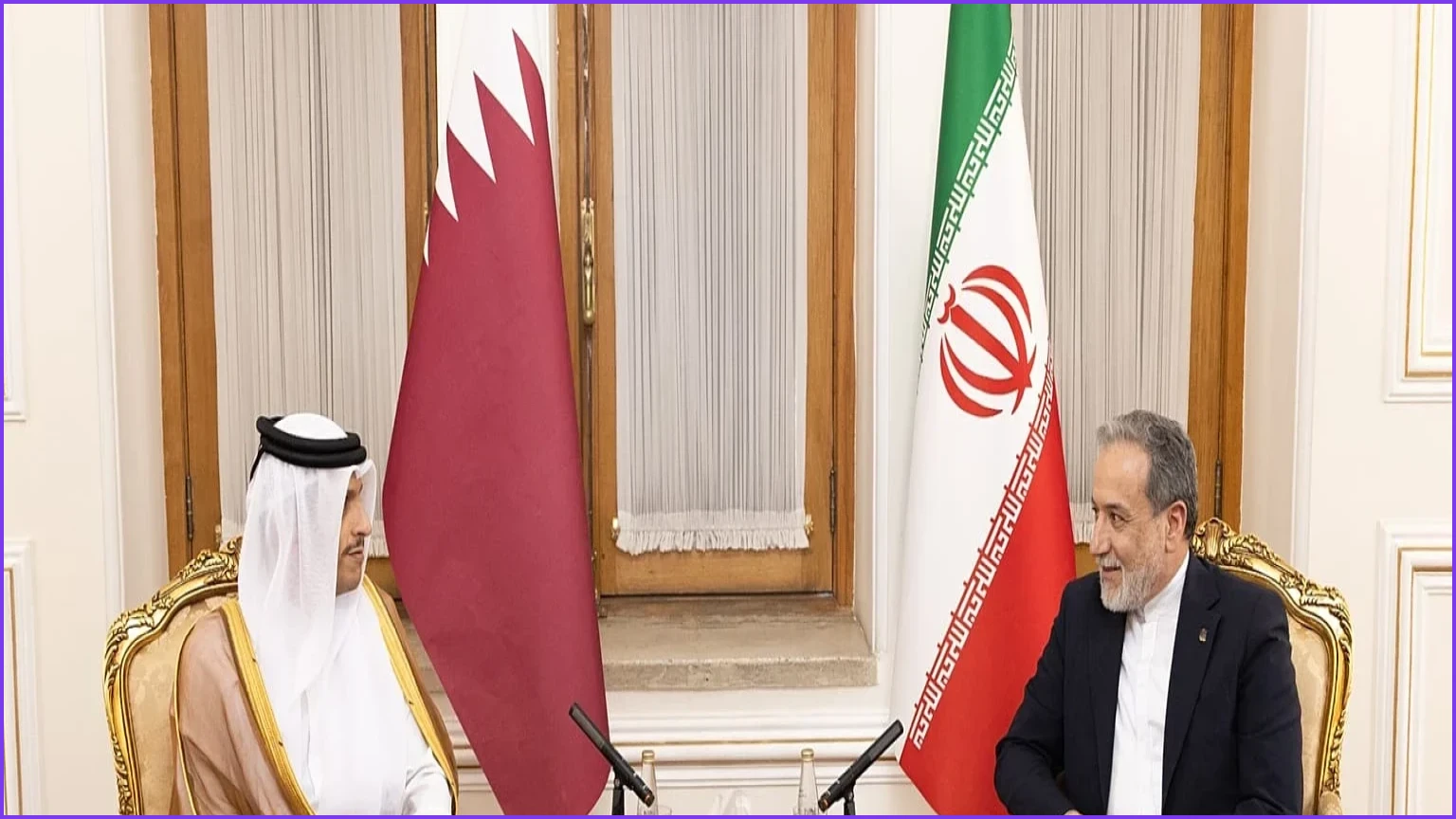
Qatar’s Prime Minister Sheikh Mohammed bin Abdulrahman Al Thani, who also serves as the nation's foreign minister, traveled to Tehran on Thursday for high-level discussions aimed at reviving diplomacy and reducing regional tensions. The visit, which marks the first high-level engagement from Qatar since the conflict began on 28 February, involved a meeting with Iran’s Foreign Minister Abbas Araghchi.
According to Qatar’s state news agency, QNA, the primary focus of the talks was to facilitate conditions for renewed dialogue between Iran and the United States. The officials specifically addressed a proposed phased plan for the Strait of Hormuz, which includes the implementation of a temporary shipping corridor and a collaborative project to remove mines from the waterway.
During the discussions, Sheikh Mohammed emphasized the importance of upholding the sovereignty of neighboring nations and ensuring freedom of navigation, urging that diplomatic channels remain open to resolve ongoing differences.
Foreign Minister Araghchi expressed gratitude toward Qatar for its consistent mediation efforts and its ongoing support for dialogue. This diplomatic push arrives nearly six months into the war, a period characterized by a pause in direct fighting but a persistent lack of any major diplomatic breakthrough.
Qatar, a key ally of the United States that hosts the Al Udeid Air Base and shares the world's largest gas field with Iran, has acted as a central mediator, having helped broker a ceasefire in June that briefly halted hostilities.
The impact of the war on global energy and shipping has been severe. Before the conflict, approximately one-fifth of global oil supplies and one-fifth of global liquefied natural gas (LNG) passed through the Strait of Hormuz. Industry data reveals a drastic decline in exports; Qatar exported only 18 LNG cargoes over the last six months, a stark contrast to the 509 cargoes recorded in the same period a year prior.
Furthermore, daily oil flows through the strait have plummeted from 20 million barrels to approximately five million barrels as of Monday. Shipping risks persist, highlighted by a recent incident involving a tanker hit by an unidentified projectile, though the crew remained unharmed.
Doha remains deeply concerned as it relies on the waterway for LNG exports. Additionally, Qatari officials reported that attacks on the Ras Laffan facility have reduced production by 17%, with a full recovery projected to take up to five years. While Iran and Oman have also engaged in separate talks regarding a temporary shipping arrangement, reports from Iran’s IRGC regarding an agreement on waterway control and revenue remain unconfirmed, with Iranian officials noting that no final deal has been reached.
Meanwhile, the International Maritime Organisation has documented dozens of incidents since February, further stressing global energy supply chains.
The diplomatic visit takes place against a backdrop of increased economic pressure from Washington, as the U.S. administration continues to impose sanctions on Iranian networks, which Tehran has characterized as an act of economic war. While President Donald Trump has indicated no immediate urgency to resume negotiations, other regional powers including Pakistan and Oman have also stepped up efforts to prevent a new escalation of fighting.
Qatar maintains that diplomacy remains the most viable path to resolving the crisis.