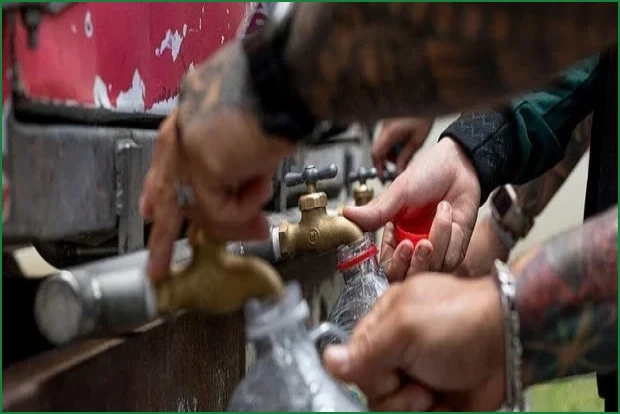
A sweeping water rationing program took effect in Puerto Rico on Friday, leaving hundreds of thousands of residents across the capital and surrounding areas without running water. The measure, which impacts more than 180,000 customer accounts—including both households and businesses—divides users into two groups that will alternate service outages for at least 48 hours at a time. Government officials have warned that these disruptions could eventually be extended to 72-hour intervals, with no clear end date currently in sight.
The current crisis is fueled by a severe drought, with the U.S. Drought Monitor reporting that approximately 36% of the island is experiencing severe drought conditions, while another 32% faces moderate levels. In San Juan, the situation is particularly dire; July was recorded as the driest month in over 120 years and the second hottest on record. Ada Monzon, chief meteorologist at WAPA-TV, noted that the region requires multiple tropical systems and significant winter precipitation to overcome the ongoing crisis.
For many residents, the reality of the situation is stark. San Juan resident Gloriany Baba described the experience as "brutal" and "unbelievable." In the days leading up to the implementation of the rationing, citizens were documented filling buckets and jugs to prepare for the service cuts. The strain is exacerbated by decades of underinvestment and aging infrastructure. According to the island's water authority, roughly 65% of produced water is lost or unbilled, largely due to leaks in deteriorating pipes.
Governor Jenniffer González has acknowledged the long-standing neglect of the system but attributed the immediate necessity for rationing to the current weather patterns. The impact is being felt acutely by vulnerable populations, with low-income residents forced to spend money on bottled water and the elderly relying on family and neighbors for assistance. Before these latest measures, communities in San Juan recorded at least 118 days of water outages in 2026, characterized by intermittent service and low pressure. Puerto Rico previously enacted similar rationing in 2015 and 2020, during which some 400,000 customers were limited to water access every third day.