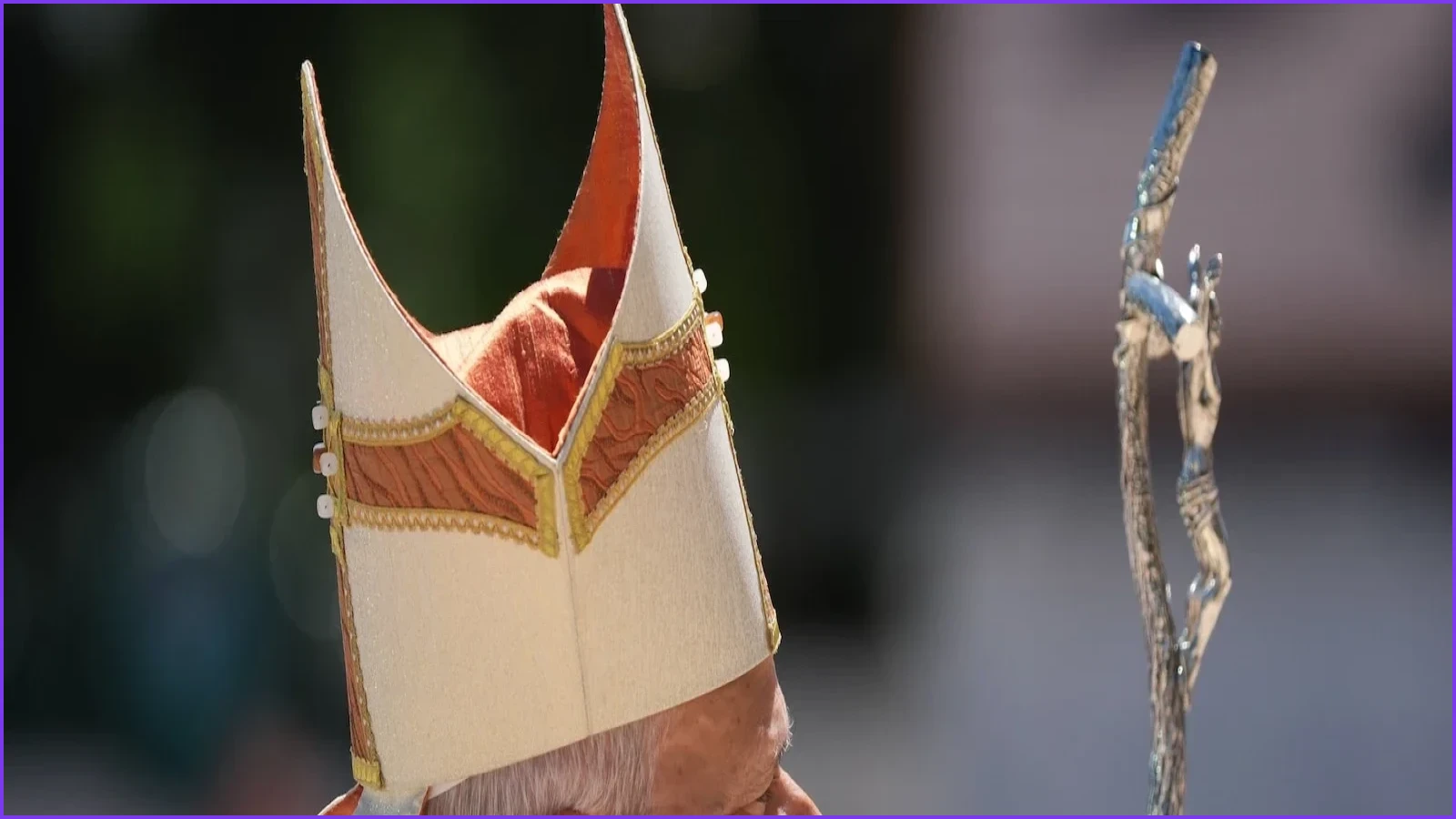
Pope Leo XIV held a private meeting with survivors of clergy abuse on Monday during his visit to Argentina, a nation currently grappling with the Catholic Church’s history of sexual misconduct and allegations of institutional cover-ups. The meeting, which took place at the Catholic University of Argentina, involved five individuals selected by the local church. According to the Vatican, the Pope spent approximately one hour with the group, engaging in both individual and collective discussions to hear their accounts and consider proposals for fostering healing within the church.
Vatican spokesman Matteo Bruni reported that the Pope listened to the victims’ "painful stories" and expressed a commitment to strengthening protection and accompaniment efforts for those affected. While the Vatican acknowledged that other groups had requested meetings with the Pope, the session was limited to these five attendees. The American pontiff’s engagement mirrors the approach taken by his predecessors, including Pope Francis and, to a lesser extent, Pope Benedict XVI, who have met with abuse survivors during international travels. Another such meeting is anticipated later this week during the Pope’s visit to Peru.
Despite this outreach, various victims' groups have demanded greater transparency and more decisive action from the Vatican regarding clergy accused of crimes. One group of 43 women, who allege they were subjected to human trafficking and forced labor at centers operated by the conservative organization Opus Dei, stated they were denied a meeting with the Pope. Their claims are currently the subject of a criminal investigation, though Opus Dei has consistently denied any wrongdoing, and no summons for questioning has been issued by the presiding judge.
Survivors have specifically called for the Vatican to take stronger disciplinary action against priests who have been convicted in criminal courts but remain subject to opaque internal church processes. Activists frequently cite the cases of former Bishop Gustavo Zanchetta and the priest Julio Grassi as examples of this perceived leniency. Grassi, formerly a prominent figure in orphan care, is serving a 15-year sentence for child sexual abuse. Records indicate that Pope Francis, while serving as Cardinal Jorge Mario Bergoglio, commissioned a forensic study in 2010 that argued for Grassi’s innocence.
Similarly, Zanchetta was sentenced to 4 1/2 years in prison in 2022 for the abuse of two seminarians and was granted parole in 2025. Although the late Pope authorized a canonical criminal proceeding in 2019 following earlier rejections of the allegations, the Vatican has not publicly disclosed a final ruling. The Vatican generally waits until all criminal appeals are exhausted before initiating its own canonical trials to avoid prejudging outcomes, though it does advise bishops to implement precautionary measures, such as removing priests from active ministry, while investigations are pending.