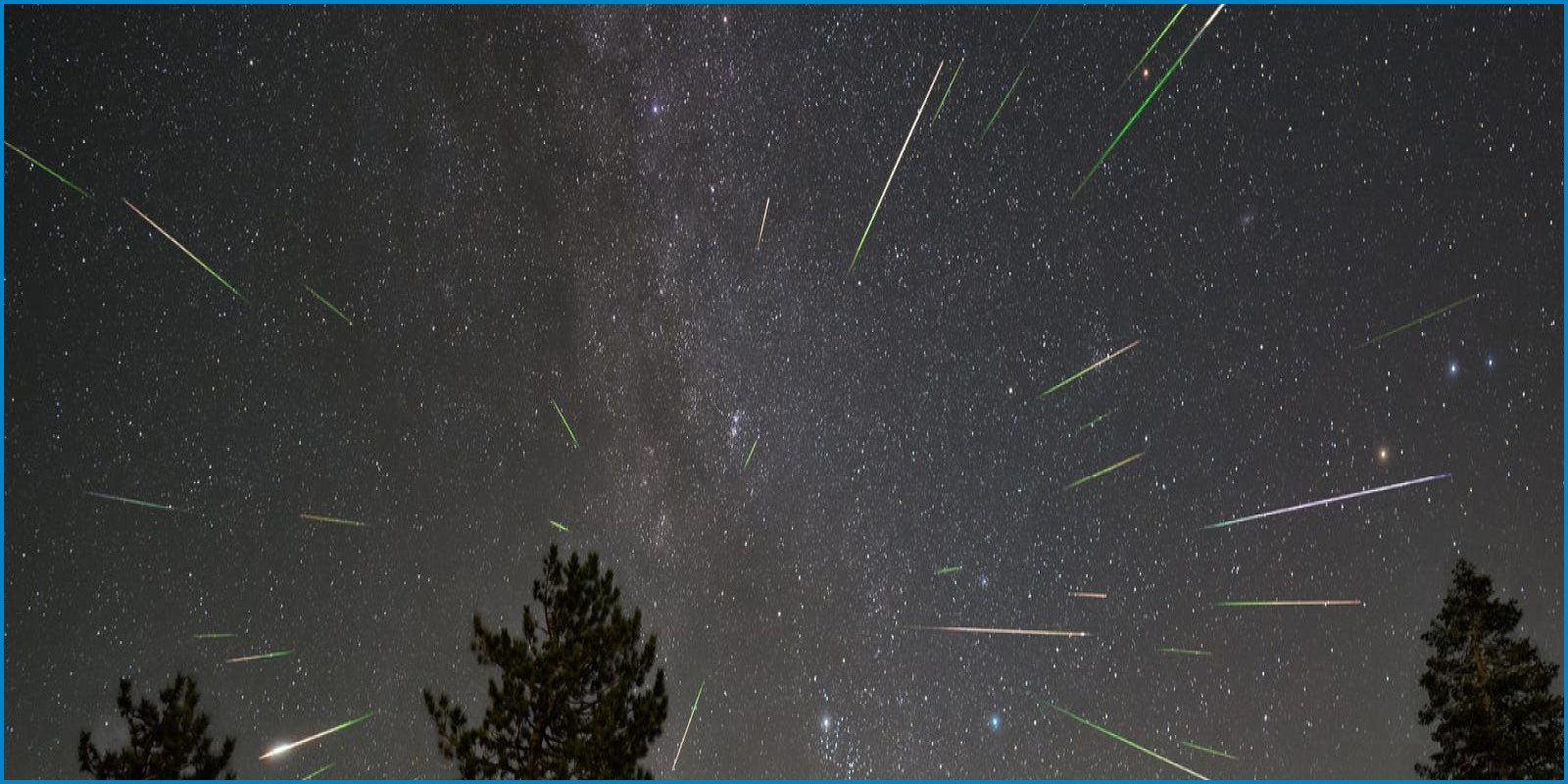
Skywatchers are preparing for one of the most anticipated celestial events of the year as the Perseid meteor shower approaches its peak. According to the American Meteor Society, the shower is expected to reach its maximum activity on the nights of August 12 and 13. NASA notes that this display is a particular favorite for observers in the Northern Hemisphere, largely because the event coincides with warm August weather.
While the Perseids remain active from July 17 through August 24, the frequency of meteors increases steadily as the peak approaches. This year’s viewing conditions are considered ideal due to the presence of a dark new moon, which will help minimize light interference. Experts from EarthSky suggest that meteor activity typically intensifies throughout the night, often hitting its highest levels during the pre-dawn hours.
For the best chance at witnessing the display, observers should head outside during those early morning hours when the shower’s radiant—the specific point in the sky where the meteors appear to originate—reaches its highest position above the horizon. Under dark, rural skies, it is estimated that viewers could spot between 30 and 50 shooting stars every hour.
The science behind the spectacle involves debris left behind by comets. As Comet 109P/Swift-Tuttle orbits the sun, it sheds dust and fragments that form trails along its path. Each year, as Earth passes through these streams of debris, the particles enter the atmosphere and burn up, creating the colorful, bright streaks of light visible to the naked eye. The comet responsible for this display was discovered in 1862 by American astronomers Lewis Swift and Horace Tuttle and takes approximately 133 years to complete a single orbit around the sun.
While NASA provides data on fireball activity and general celestial patterns, they emphasize that real-world viewing results can vary depending on local weather conditions, cloud cover, and the influence of the moon. To maximize the experience, enthusiasts are encouraged to find a location away from city lights and allow their eyes time to adjust to the darkness.
Here's everything you need to know about the Perseid meteor shower, including when and where to get the best view.
This chart uses data from 2014 to 2020 to show expected levels of Perseid meteor shower activity; it does not take into account the effects of the sun, moon and clouds, according to NASA.