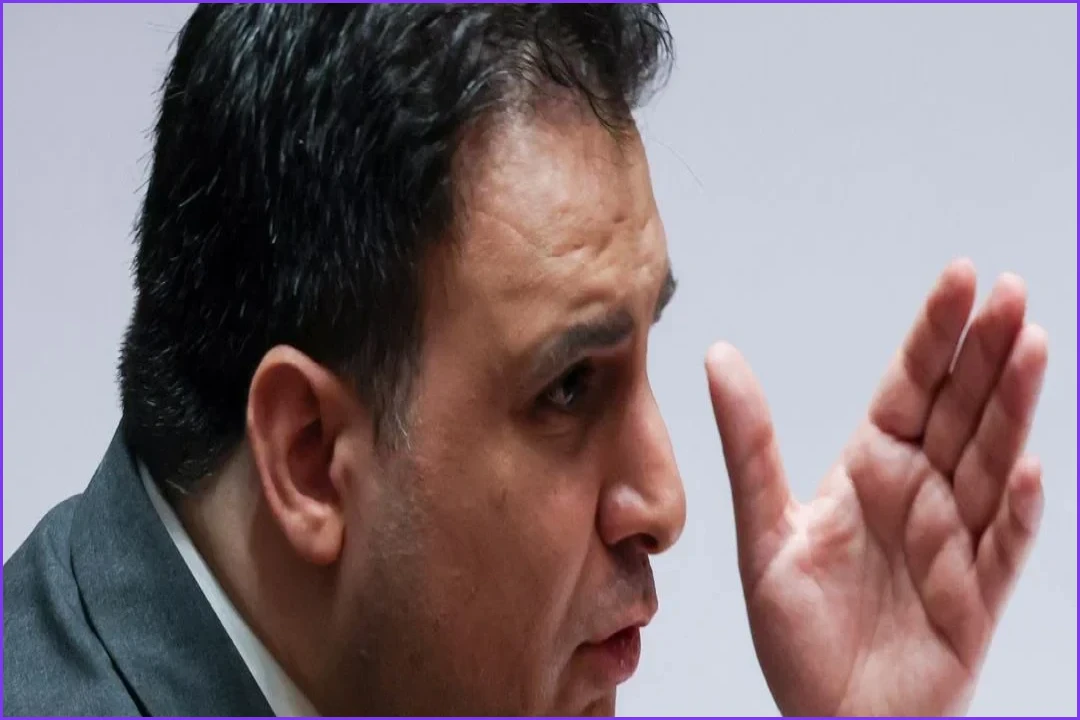
Palestine's deputy UN envoy, Majed Bamya, addressed the Security Council on Thursday, challenging the international expectation that Palestinians must prove their commitment to peace while simultaneously enduring mass killing, displacement, and annexation. During the council meeting, Bamya reflected on the period following the October 7 events, noting that while he heard widespread condemnations of the attacks, demands for the release of hostages, and assertions that Israel had a right to defend itself, he could not recall any instance where Palestinians were told they had the right to do whatever is necessary to defend themselves following a massacre.
Bamya stated that such a right has never been acknowledged for Palestinians, regardless of whether the death toll reached 10,000, 20,000, 50,000, or 70,000. He emphasized that Palestinians had warned of the impending massacres, forced displacement, and annexation, and had responded by seeking diplomacy. According to Bamya, Palestinians sought protection and justice rather than vengeance, yet they remain the ones pressured to demonstrate a commitment to peace. He noted that entire multi-generational families have been wiped out in Gaza, while others are forced to flee for their lives without time to mourn, and that 92 percent of homes in Gaza have been destroyed or damaged.
The envoy also highlighted the situation in the occupied West Bank and East Jerusalem, reporting that more than 1,000 Palestinians have been attacked in the last three years, with approximately 6,000 settler attacks recorded since the beginning of this year. Bamya noted that Palestinians supported the ceasefire plan and the Security Council resolution endorsing it because they embodied principles including no bloodshed, no occupation, no annexation, and no forcible displacement. He argued that Israel opposes every one of these principles.
Furthermore, Bamya criticized the undermining of the Palestinian Authority, noting that most of its employees have gone unpaid for 15 months, and challenged council members to identify any other country that could maintain a standing government under such conditions. He argued that Israel demands reforms while obstructing them, demands disarmament while its occupation forces continue killing, and demands security while denying Palestinian security. He concluded that this is not peace, but rather permanent subjugation. Rejecting the use of security as a justification for annexation, Bamya declared that occupation must end, stating that nations are either sovereign states equal in rights and duties, or they remain warring parties forever.