Pakistan’s federal government has declared a state of emergency in the north-western Khyber Pakhtunkhwa province, resulting in the suspension of the provincial government led by Imran Khan’s Pakistan Tehreek-e-Insaf (PTI) party. The move, enacted by President Asif Ali Zardari on Sunday, follows claims from federal authorities that provincial officials failed to adequately address Islamist militancy in the region, which shares a border with Afghanistan.
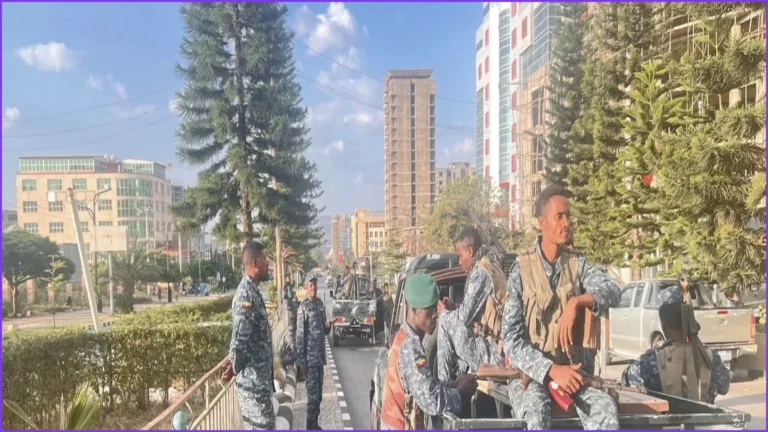
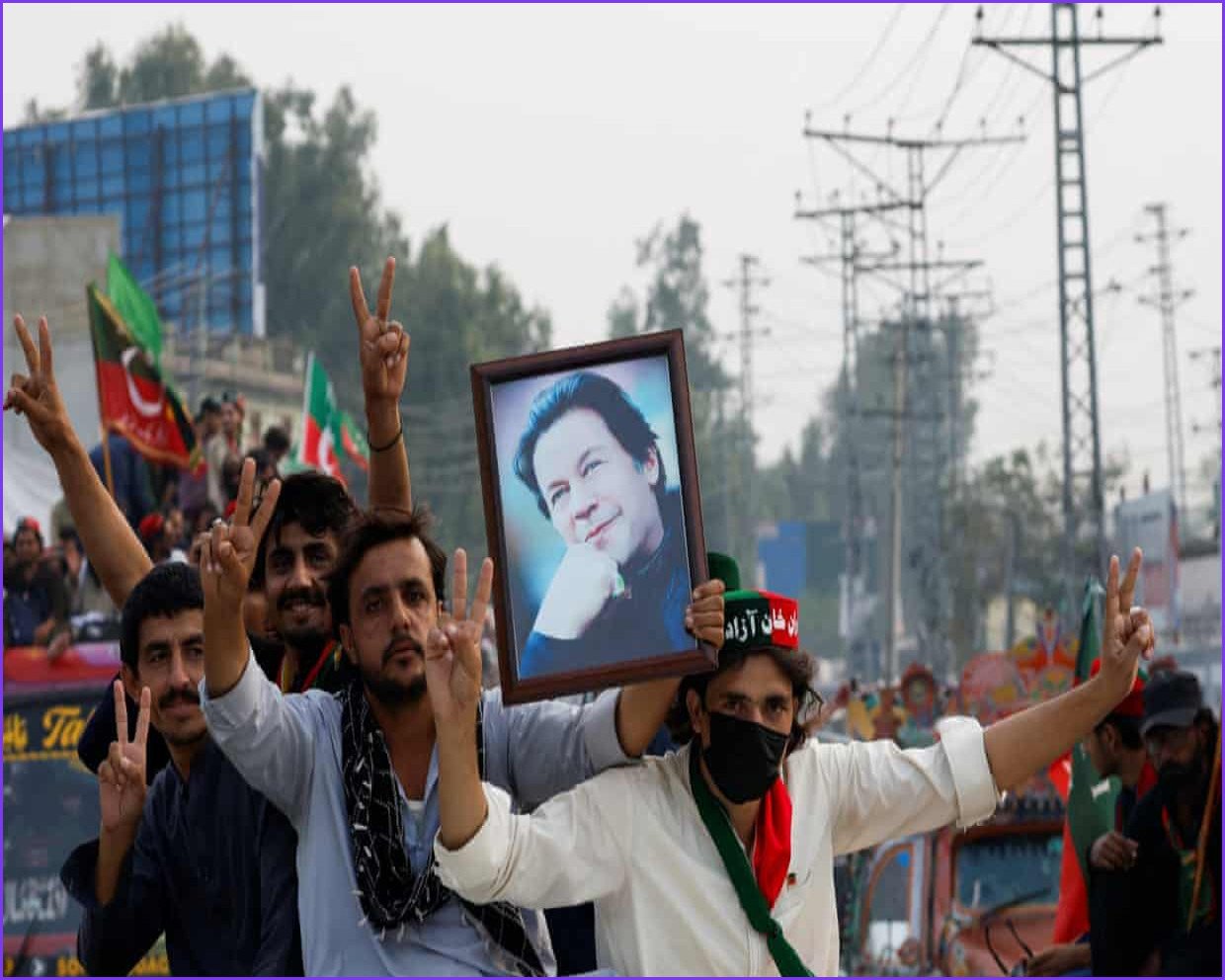
The imposition of the emergency and the appointment of a new governor have significantly intensified the ongoing standoff between the federal administration and the PTI. This escalation occurs just one week after PTI supporters mobilized in the province for an intended march on Islamabad to demand the release of the 74-year-old former prime minister. In anticipation of the protest, federal authorities have deployed tens of thousands of security personnel and placed shipping containers along roads leading to the capital to block access to parliament.
Zulfikar Bukhari, an aide to Khan and a spokesperson for the PTI, condemned the federal government’s actions, characterizing the situation as “more of a coup disguised as emergency.” He warned that the move could incite further instability and bloodshed, asserting that the primary motivation was to suppress the planned demonstrations. Restrictions have also been placed on the movements of Sohail Afridi, who previously led the province.
Under the Pakistani constitution, the government is permitted to assume control of provincial authorities during a state of emergency. Law Minister Azam Nazeer Tarar confirmed that a provincial governor will take charge for an initial period of six months, with the possibility of extending the mandate as needed. The interior ministry intends to deploy troops to the province to manage security. Prime Minister Shehbaz Sharif justified the cabinet decision by stating that citizens and security forces have been under attack for two years, adding, “We can’t just act as a silent spectator.”
The federal government and the military have accused the PTI of failing to curb militant activity and have further alleged that the party has shown sympathy toward the Taliban in Kabul and local affiliates. The PTI has rejected these claims, arguing that Islamabad has failed to provide the necessary funding and equipment for security. Maulana Fazlur Rehman, leader of the JUI-F party, also criticized the government’s decision, calling it an “ambush on democracy.”
The political tension remains high as Khan faces a series of legal challenges, ranging from state gift concerns to allegations of instigating violence and unlawful marriage. While he denies any wrongdoing, most of his convictions have been suspended or overturned, with various appeals still pending.
Candidates backed by Khan’s party won the most seats in the 2024 election but formed a government only in Khyber Pakhtunkhwa. Supporters of the 74-year-old former cricket star say the military rigged the vote against him, which the military denies.