A government has concluded and a new one has begun, with the administration determined to make an immediate impact through early policy announcements. Prime Minister Andy Burnham has started his first full day in office with a significant pledge to cut VAT from household electricity bills, effective from 1 October. The public can expect to see and hear much from the new prime minister and his senior ministers in the coming days as they travel across the country to argue their case and establish their agenda.
Burnham’s new cabinet is set to meet for the first time at lunchtime. The process of appointing this cabinet proved to be a nocturnal affair; as late as 22:00 BST on Monday night, a minibus full of ministerial hopefuls remained inside Downing Street, waiting for their new positions to be confirmed. One of the final roles to be filled was that of defence secretary, which was taken by Wes Streeting. His appointment is notable, as his resignation as health secretary two months ago was a key factor in the erosion of Sir Keir Starmer’s authority as the former prime minister.
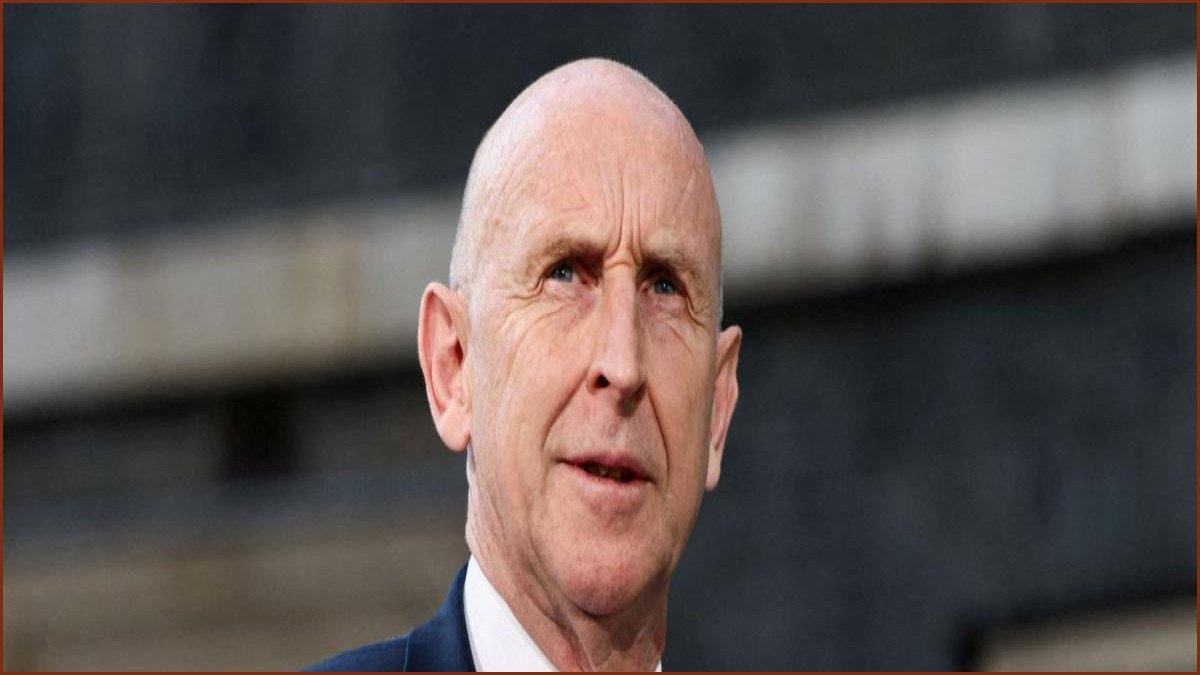
The reshuffle was marked by the exclusion of the two ministers most widely tipped for the role of chancellor—Shabana Mahmood and Ed Miliband—with the position ultimately going to John Healey. The process also involved a significant cull of ministers who were closest to and most loyal to the former prime minister, including David Lammy, Darren Jones, Peter Kyle, Lord Hermer, and Steve Reed. Rachel Reeves was also among those affected, though reports indicate she was offered a cabinet post but chose to turn it down.
The appointment of Healey as chancellor is particularly fascinating given his background. He served as a minister in the Treasury for five years between 2002 and 2007, holding the roles of economic secretary and financial secretary. However, just weeks ago, the new chancellor was remarkably critical of the department he now leads. He previously described the Treasury as having a "dead hand on dynamic government" and argued that it viewed defense as a "drain rather than a driver of growth." Furthermore, in his resignation letter as defence secretary, he insisted that Britain must set a firm target of 3% of GDP for defense spending by 2030. As one Whitehall figure noted, it is now Healey’s responsibility to make those numbers add up.
The ideas floated by Burnham in recent days carry the feel of a Christmas wish list: they are ambitious, yet the costs have not been fully calculated. His proposals include a council house building programme in England, raising the income threshold before citizens begin paying income tax, and a major shake-up of social care in England. All of these initiatives are expected to come with hefty price tags. In his opening speech at Downing Street, Burnham promised to provide people with "breathing space" to help with the cost of living. He added that these measures would be announced immediately, "including how we pay for them." It will now fall to the new prime minister and his chancellor to work through these ideas and their associated budgets.