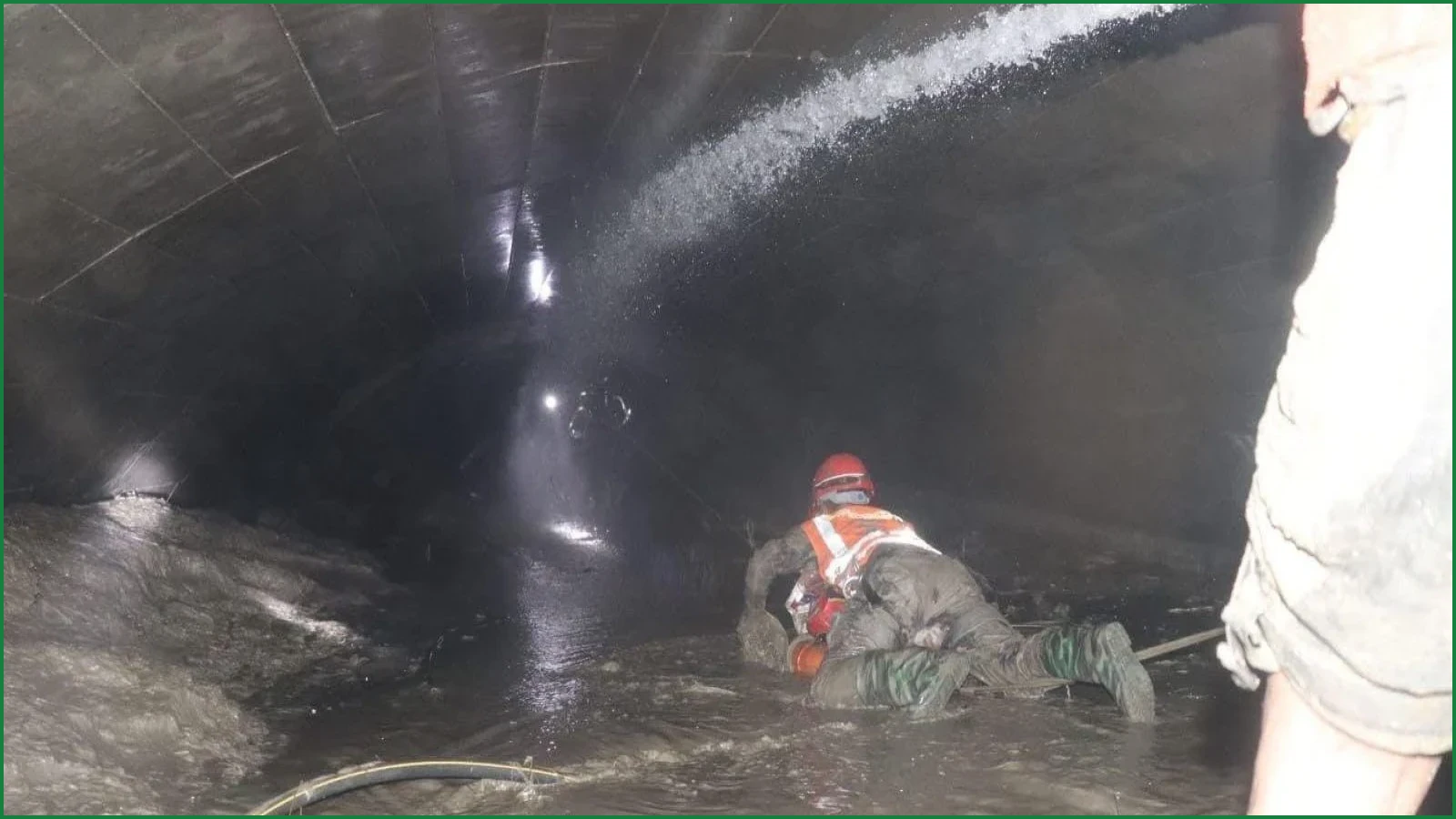
In what has been described as "layer upon layer of layer of miracles," rescuers in Nepal have successfully pulled two survivors from a blocked hydropower tunnel following a devastating flash flood. Tunnelling expert Arnold Dix, who has been advising Nepalese hydropower authorities on the complex rescue operation, detailed the extraordinary engineering challenges and perilous conditions his team overcame to reach the trapped men.
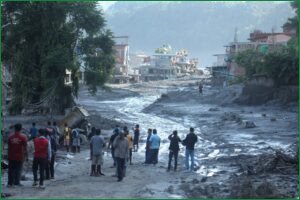
The disaster, which struck last week along the Nepal-Tibet border, triggered a massive avalanche and flash floods that have claimed the lives of at least 1,300 people. The Trishuli 3A Hydropower Station was among several facilities severely impacted by the deluge. The scale of the slide was so immense that it completely transformed the local landscape, presenting rescuers with their very first hurdle: simply finding where the tunnel began.
"I've never known a rescue operation where you had to look for an entrance of a tunnel that was previously up the hill, that was now underground," said Dix, who serves as the president of the International Tunnelling and Underground Space Association. "You can imagine the enormity of the avalanche, it completely buried the entrance."
To locate the buried structure, Dix and his team utilized a combination of advanced engineering techniques and any available data. They analyzed old topographic maps, satellite imagery captured after the disaster, video footage filmed from helicopters, and even surface markers like power poles to triangulate the tunnel's likely position before they began digging.
Once the entrance was successfully uncovered, the rescue team faced the daunting task of navigating a tunnel choked with mud and massive boulders, some of which were larger than cars. To clear these obstructions, rescuers had to take the highly unusual and dangerous step of using explosives inside the unstable structure.
"We had to use explosives which we normally never do because of the risk of blowing up people [trapped in the tunnel] and blowing ourselves up," Dix explained. He highly praised the Nepalese army, noting they did "a wonderful job" in managing the blasts with extreme precision to prevent the tunnel from collapsing entirely.
Compounding the danger, the team discovered that the tunnel was completely flooded with water. To resolve this, Nepalese rescuers deployed excavators and pumping machines to dig a series of drainage trenches stretching from inside the tunnel all the way out to the adjacent river, successfully lowering the water levels.
To physically reach the survivors, rescuers had to overcome several obstacles. Finally, they had to dig a passageway, "a tiny tunnel the size of a person", through the debris at the top of the tunnel. Dix explained that this specific location allowed them to use the original tunnel's sturdy roof as the ceiling for their rescue shaft, which also helped mitigate the immediate risk of further flooding.
In the quiet, early hours of Friday morning, the rescue team's persistence paid off when they heard faint sounds. According to local reports, rescuers called out into the darkness, saying, "don't worry, we're here to rescue you." From deep within the debris, they heard a faint response: "okay." Shortly after, Sanjaya Shah and Kabir Maharjan were pulled to safety, alive.
Despite the joy of saving the two men, the mission is far from complete, as dozens of workers are still believed to be trapped inside. Rescuers have cleared approximately 60 meters from the entrance so far, but they must dig another 150 meters deeper into the mountain to reach the main hydropower station.
The team is operating under the hope that the avalanche debris did not penetrate the actual station. If mud and rocks have reached that deep, Dix warned, the situation would become far more complicated, with the risk that individuals inside could have been struck by falling debris or drowned in localized flooding. Furthermore, the rescue crew faces ongoing, severe hazards on both sides of their operation.
"Up ahead, even now, we might run into water which would drown the people tunnelling," Dix said. "And we also have the risk of another flood outside happening, so water could come from behind. So there's the risk of facing water on both ends."
Nevertheless, the successful rescue of the first two survivors has injected fresh hope and determination into the operation. But, buoyed by Friday's successful rescue, the team is now hopeful it will reach more survivors in time. "It's a big relief, that we are on the right track," Dix remarked. "And it gives us renewed energy that our thinking [on how to conduct the rescue] works… we have never done something like this before."
Rescuers are now pushing toward what Dix described as the "Goldilocks zone"—the uppermost level of the hydropower station where open space may have preserved human life. Reflecting on the high-stakes mission, Dix concluded: "We got two people out. If we were playing at a casino, some might say it's time to walk away, but we say game on, time to take on the house."