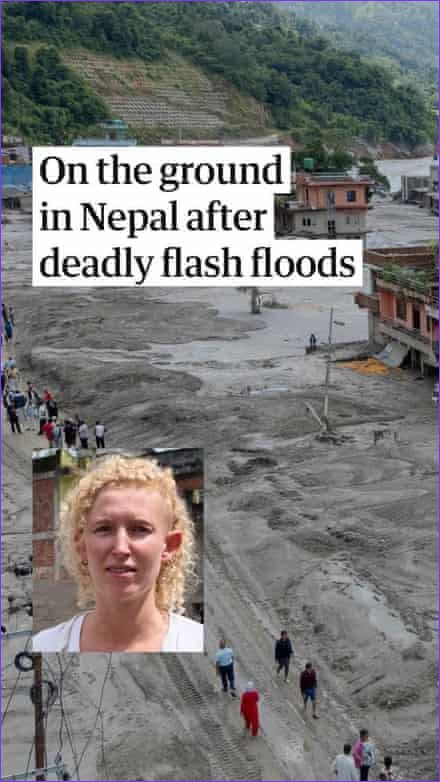
In the wake of a catastrophic flash flood that tore through the Himalayan mountains on Wednesday, survivors are grappling with the total loss of their homes and the disappearance of loved ones. The disaster, triggered when a melting glacier in the Himalayas between Tibet and Nepal splintered and crashed into the valley, set off a deadly cascade of water, mud, and debris down the Bhote Koshi River. The impact of the glacier collapse was so powerful that experts initially reported it as an earthquake. Nepali village homes lining the riverbank and clinging to the mountainside stood little chance against the monstrous black wave.
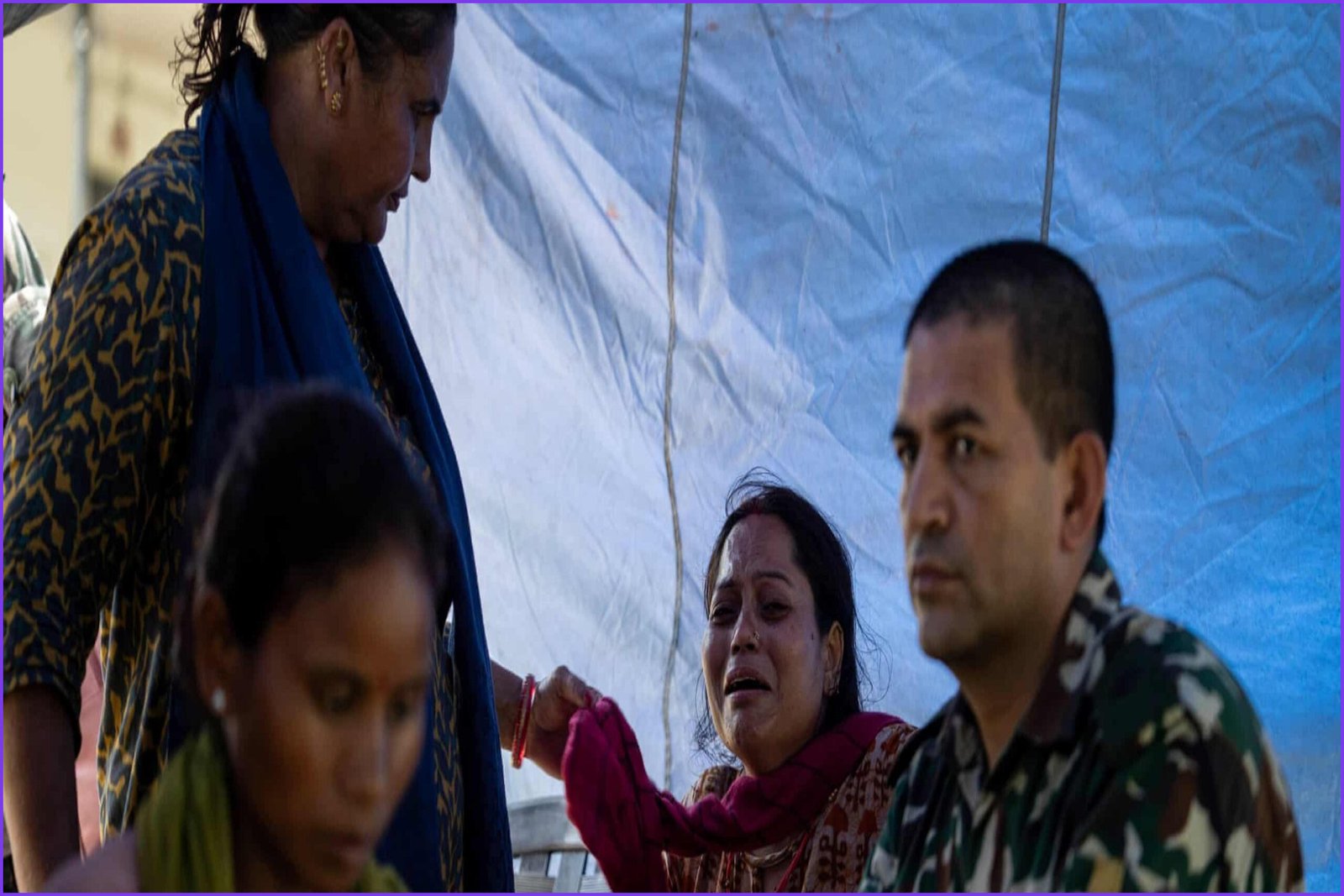
For many, the tragedy unfolded in an instant. Sangke Dolma Tamang, a 61-year-old resident of Mailung in the Rasuwa district, was cooking snacks when the floods arrived without warning. As her family attempted to flee to higher ground, her husband slipped from her grip and was swept away into the dark, fast-moving waters. Despite others attempting to pull him to safety, he was lost. Her son also remains missing, and she now waits at an army barracks in Bidur, having been rescued by a helicopter after spending a night sheltering on higher ground. She expressed the profound despair felt by many, stating that her home is gone and she has nothing left to live for.
The scale of the disaster is still being assessed, as many worst-hit areas in districts such as Rasuwa are only accessible by helicopter. Two days after the disaster, at least 579 people have been confirmed dead, while more than 1,900 remain missing. The situation is even more opaque in Tibet, which is under tight Chinese media control; Chinese authorities insist only five people have died there. In the town of Bidur, where Nepal’s rescue efforts are being coordinated, helicopters carrying survivors arrive every few minutes, while others transport vital food and clean water to the mountains.
Brig Gen Raja Ram Basnet, a spokesperson for the Nepali army, confirmed that helicopter rescue operations would continue as long as people remain missing. While ground rescue efforts were halted on Friday morning due to fears that river levels were rising again, the focus remains on finding the living. Among those brought to safety was 60-year-old Murali Maiya Tamang, who was found hanging in a tree in Rasuwa. Having lost her husband in the 2015 earthquake, she is now waiting for news of her only son, who has been missing since the floods struck.
The floods also devastated vast hydroelectric projects along the Bhote Koshi River, washing away facilities and filling tunnels with mud. Rescuers have been working to pull workers to safety from within these tunnels. The town of Bidur, located on the banks of the Trishuli River, was reduced to mangled debris in minutes, with a bank, a government office, and an ATM booth left half-submerged in mud. Rescuers noted that bodies are likely buried inside, but the unstable terrain makes recovery too dangerous.
Nepal’s newly elected home minister, Sudan Gurung, surveyed the damage on Friday afternoon. He expressed sadness over the heavy loss of life and emphasized that the government’s priority is searching for everyone who is still missing, whether they are Nepali citizens or international nationals. Many local people have attempted to return to their homes to salvage remnants of their lives, only to find a deep abyss of mud. Shopkeeper Ashok Chaurasia, who survived by clinging to a monastery wall as a bridge collapsed behind him, lost his nephew and sister-in-law. Reflecting on the total destruction of his three-storey house, he stated that the flood took everything he had.