Residents across flood-affected regions in Nepal have been urged to remain on high alert for the possibility of fresh flooding, even as rescue operations continue to clear the critical highway connecting Kathmandu to the hardest-hit areas. The nation's disaster agency reported on Sunday that the death toll from the catastrophic floods has reached 788, with 2,502 people still listed as missing. Across the border in China, authorities have confirmed 16 deaths and 546 individuals missing.
For many survivors, the situation remains harrowing. Residents have described the psychological strain of near-constant flood alarms, which often force families to flee to higher ground in the middle of the night. Govind Shreshta, a local resident, described the exhaustion of caring for his elderly parents while navigating the ongoing crisis, noting that the rain and the persistent threat of further flooding make daily survival incredibly difficult.
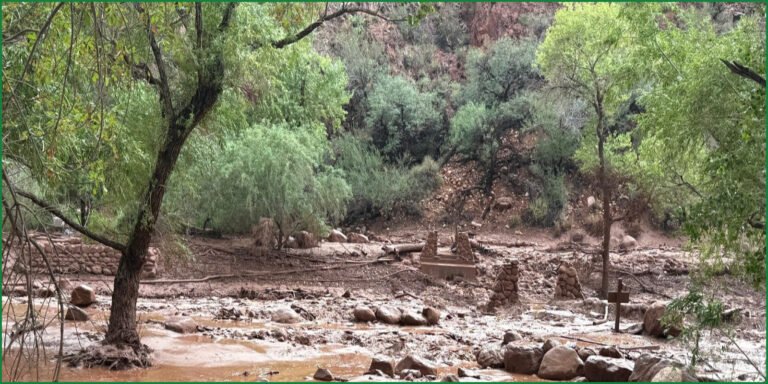
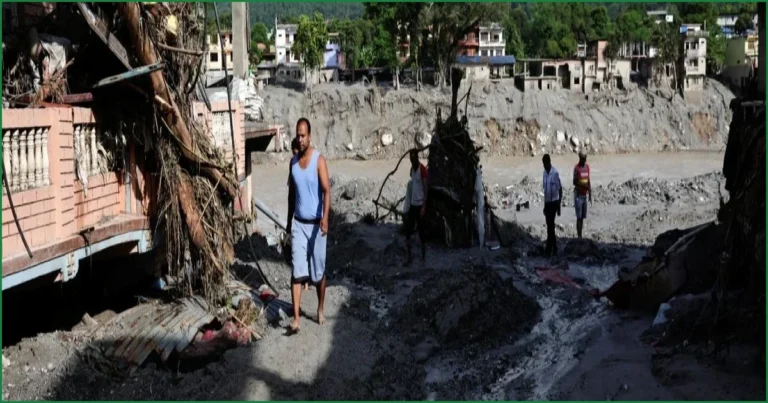
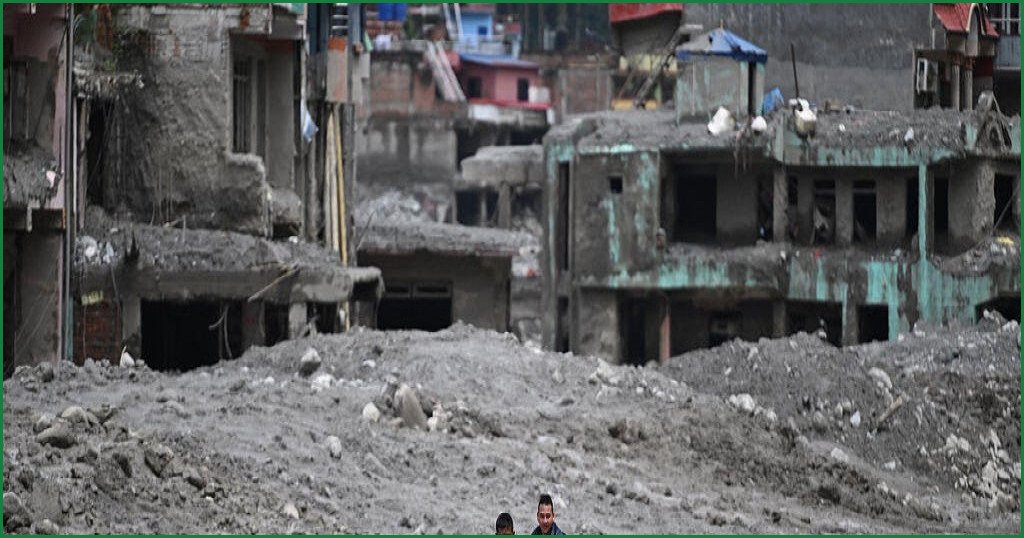
In the region of Dhading, one of the most severely impacted areas, the recovery process has begun in earnest as some residents return to their properties to salvage what they can. Many are forced to sift through thick, sludge-like mud and rubble to recover personal belongings, while others have found their homes completely destroyed. One man was seen salvaging his chickens from the wreckage, securing them in his truck cabin, while resident Sharmila Tamang expressed the total loss of her home and belongings.
Infrastructure damage remains extensive. At a major power plant that provides electricity to over 20,000 people across four districts, workers began assessing the destruction on Sunday. Meanwhile, the U.S. State Department confirmed that 85 Americans remain unaccounted for in Nepal, though nine have been safely evacuated, and officials are currently unaware of any U.S. citizen deaths. The U.S. has pledged $3.6 million in emergency humanitarian assistance, which will provide up to three months of food for as many as 10,000 households.
The disaster has impacted individuals from across the globe, including hundreds of foreign workers, tourists, and pilgrims. Chinese state media reported that 261 foreigners are missing in Tibet, a group that includes over a hundred Nepalis and citizens from various other nations. Malaysia has also stepped in to provide support, with Prime Minister Anwar Ibrahim announcing that the country will send a search-and-rescue team to assist with relief efforts and the evacuation of Malaysian nationals, alongside a $1 million financial aid pledge.
The catastrophe was triggered by a glacial collapse in the Himalayan region last Wednesday, which registered as a magnitude 5.2 event after bedrock underneath a glacier gave way. The resulting rockfall and massive volumes of meltwater surged into valleys, destroying buildings and infrastructure. While scientists note it is too early to establish a direct link between this specific disaster and global warming, they highlight that the Himalayan region is warming significantly faster than other parts of the world, increasing the likelihood of such extreme events. Shisir Khanal emphasized that despite Nepal’s minimal contribution to global emissions, its people are suffering the severe consequences of climate change.