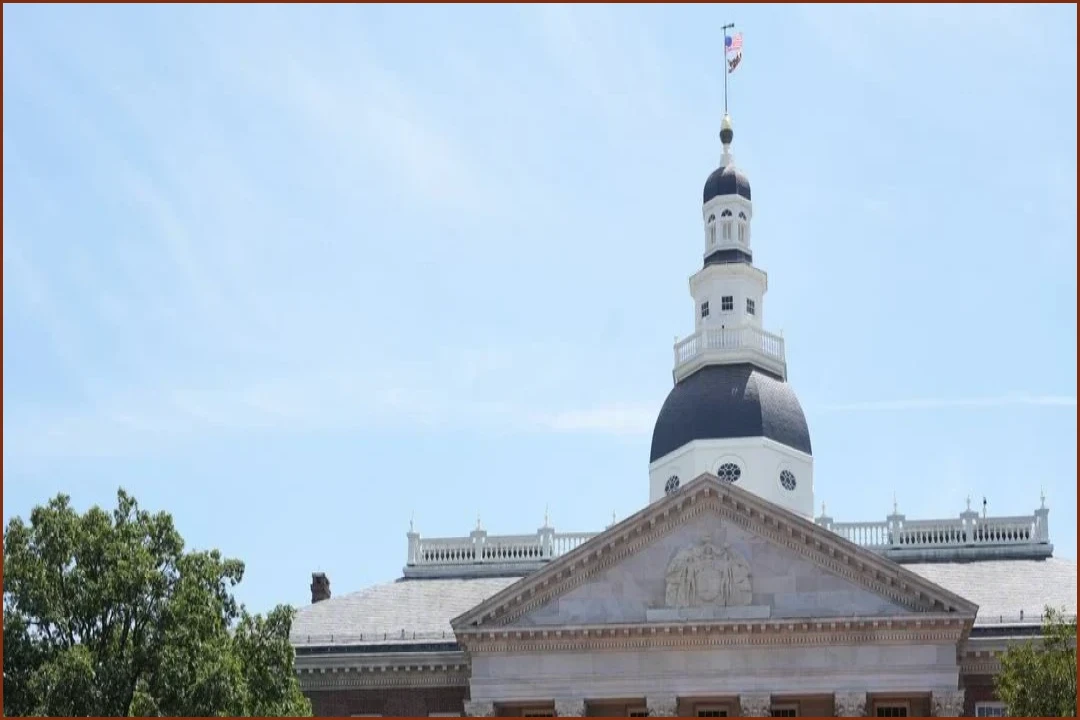
Voters in Maryland are set to head to the polls this November to decide on a constitutional amendment that would pave the way for a new congressional map. If approved, the measure could potentially favor Democrats across all eight of the state's US House districts for the 2028 elections. The proposal moved forward after both chambers of the Democratic-controlled state legislature approved the measure during a special session held on Tuesday.
To place the amendment on the ballot, the legislature required a three-fifths majority in both chambers. The measure successfully cleared the House with a 96-38 vote, while the Senate approved it 32-13. Governor Wes Moore, a Democrat, expressed support for the legislative action, characterizing the move as a necessary response to President Donald Trump’s push for mid-decade redistricting efforts aimed at benefiting Republicans. While Moore stated he remains a proponent of national redistricting reform, he emphasized that in the absence of such federal action, local inaction is not a viable option.
The move has faced sharp criticism from Republican lawmakers, who have labeled the initiative a clear power grab. Critics further argue that the process violates a recently enacted state law intended to provide voters with more time to evaluate proposed constitutional amendments. During the House debate, Republican Delegate Kevin Hornberger challenged his colleagues, stating that the ability to adopt an ultra-partisan approach does not justify doing so.
This push comes amidst a broader national trend of rapid congressional redistricting that gained momentum last year when Donald Trump urged Republican-led states to redraw maps to gain an advantage in the 2026 midterms. While redistricting typically occurs once every decade following the release of Census data, several states—including Alabama, Florida, Louisiana, Missouri, North Carolina, Ohio, Tennessee, and Texas—have already adjusted their boundaries to potentially gain up to 16 seats for the GOP. Conversely, new maps in states like California and Utah could offer advantages to Democrats in six contests.
Maryland's path to this vote was slower, largely because Democratic state Senate President Bill Ferguson had previously blocked an earlier attempt to implement new maps for the current election cycle. Republican House Minority Leader Jason Buckel condemned the latest legislative approval, calling it a dark moment for the assembly. He remarked that, in the eyes of future historians, the events in Annapolis this week would be viewed as a regrettable chapter in the institution's history.